Your car is carrying a secret. It has been there since the day it rolled off the assembly line — stamped onto the dashboard, etched into the door frame, and printed on your logbook. It is called the Vehicle Identification Number, or VIN, and for most drivers in Kenya, it is one of the most overlooked yet most powerful pieces of information attached to their vehicle.
Whether you are buying a used car, checking insurance, or simply want to know more about the vehicle you already own, understanding your VIN can save you money, protect you from fraud, and in serious cases, prevent real harm. Here at AutoMag.co.ke, we cover the kind of automotive knowledge that makes a practical difference for Kenyan drivers — and this is exactly that kind of topic.
What Exactly Is a VIN?
A VIN is a 17-character code that serves as your vehicle’s unique identity. Think of it the way you would think of a national ID number or a title deed for property — it is specific to one vehicle and one vehicle only. No two cars share the same VIN.
Since 1981, VINs have been standardised globally, which means a vehicle manufactured in Japan, Germany, the United States, or South Korea follows the same coding structure. That standardisation is what makes it such a reliable tool for buyers and authorities alike.
Breaking Down the 17 Characters
The VIN is divided into three distinct sections, each carrying specific information:
World Manufacturer Identifier (WMI) — Characters 1 to 3
This opening section tells you where the vehicle was made and who made it. The first character identifies the country of manufacture. For example, vehicles beginning with “J” were made in Japan, “K” indicates South Korea, and “W” points to Germany. Given that Kenya imports a large volume of vehicles from Japan and the UAE, this section alone is immediately useful.
Vehicle Descriptor Section (VDS) — Characters 4 to 9
This middle portion describes the vehicle itself — the model, body type, engine specifications, and safety features. It is also what helps distinguish between similar models that were assembled in different factories. Two vehicles of the same make and model year can have slightly different specifications depending on where they were built, and the VDS captures this.
Vehicle Identifier Section (VIS) — Characters 10 to 17
The final section is where the individuality of the vehicle is confirmed. It includes the model year, the assembly plant code, and a unique serial number. This is the section that makes every VIN completely unique.
Why the VIN Matters Specifically for Kenyan Car Buyers
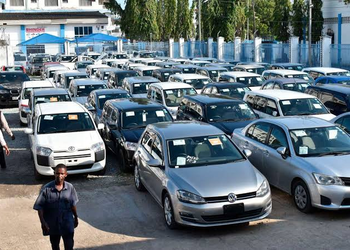
Kenya’s used car market is one of the most active in East Africa, with thousands of vehicles imported every year from Japan, the UAE, Singapore, and the United Kingdom. This is part of what makes the local market so diverse and affordable — but it also introduces risks that a VIN check can directly address.
Odometer tampering is unfortunately common in the secondhand market. Sellers sometimes roll back mileage figures to increase a vehicle’s perceived value. A VIN-based history check using international databases can reveal the true mileage recorded at past service or inspection points.
Accident and damage history is another area where the VIN proves its worth. A vehicle that has been in a serious crash, written off by an insurer, or repaired after flood damage may look perfectly fine on the outside. But a VIN check can surface records of these events before you hand over any money.
Theft status is a concern that Kenyan authorities take seriously. Stolen vehicles — some of which are imported with fraudulent documentation — can be flagged using the VIN against both local and international databases.
Logbook verification is perhaps the most immediately practical use in Kenya. The VIN printed on your logbook must match the one physically stamped on the vehicle. Discrepancies between these two are a significant red flag and should immediately raise questions about the legitimacy of the paperwork.
For a practical guide on what else to check when buying a used car in Kenya, read more on AutoMag.co.ke.
Checking a VIN Before You Buy: A Practical Tip
Before you commit to any used vehicle purchase, take these steps:
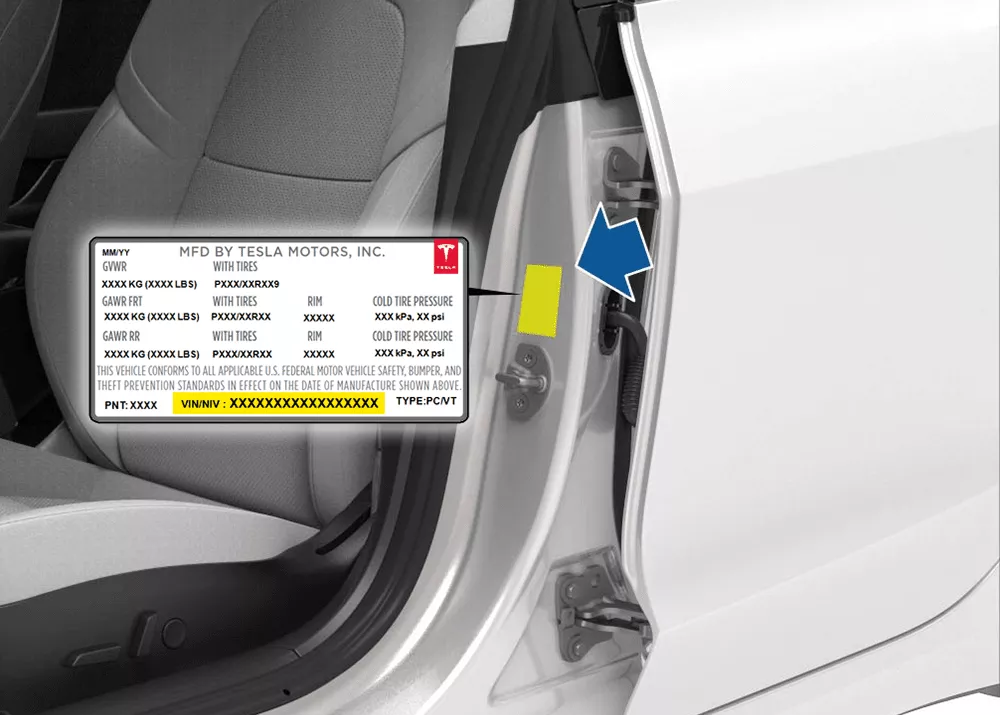
- Locate the VIN — it is typically found on the dashboard near the windscreen on the driver’s side, inside the driver’s door jamb, on the engine bay, and on your vehicle documents.
- Cross-check the number across all locations. They should all match exactly.
- Run the VIN through an online checker. Free and paid services are available that pull records from Japanese auction houses, UK government databases, and other international sources depending on the vehicle’s origin.
- Compare the VIN on the vehicle with what appears on the logbook and any other paperwork provided by the seller.
If you are shopping for a used vehicle and want a marketplace where listings come with documented histories, auto24.co.ke is a solid starting point. The platform lists a wide variety of second-hand cars in Kenya — from popular daily drivers like the Toyota Fielder and Mazda Demio to SUVs like the Toyota Harrier and Subaru Forester. Having a VIN to cross-reference against listings gives you added confidence before you even visit the seller.
VINs and Insurance: A Connection Many Drivers Miss
Your VIN is not just useful at the point of purchase. It remains important throughout the life of the vehicle. Insurance companies use it to record claims, verify vehicle identity, and process any recall-related repairs issued by manufacturers.
If a VIN has been altered or removed — something that sometimes happens with stolen vehicles that have been resprayed and re-plated — an insurance claim can be rejected outright. In the event of a manufacturer recall (where a fault is discovered across a specific batch of vehicles), your VIN is how the manufacturer determines whether your car is affected and what remedy applies.
The VIN and Resale Value
Here is something many sellers do not think about: a clean, fully verifiable VIN history can make your car easier to sell and attract better offers. Buyers who are well-informed — and increasingly, Kenyan car buyers are — will ask for VIN details before making an offer. A vehicle with a traceable, unblemished history stands out in a crowded market.
Conversely, a VIN that cannot be verified, has inconsistencies, or shows a troubled history will either reduce your asking price significantly or put buyers off entirely.
What About Electric Vehicles?
VINs apply to electric vehicles exactly as they do to petrol and diesel cars. As Kenya’s EV market continues to grow, understanding a vehicle’s VIN becomes just as important for battery-powered imports. For drivers looking to explore sustainable mobility, EV24.africa offers import options for electric cars, expanding the choices available to Kenyan consumers who want to go green — and VIN verification applies equally when buying any imported EV through such channels.
For a broader look at how Kenya’s automotive landscape is shifting, autoskenya.com offers up-to-date automotive news, car reviews, and driving guides tailored to the Kenyan and East African market.
The Bottom Line: Treat Your VIN Like a Title Deed
If there is one thing to take away from all of this, it is simple: treat your VIN the way you would treat a property title deed. It tells the full story of a vehicle — where it came from, what it has been through, and whether everything about it is legitimate.
In a market where a large proportion of vehicles are imported, where documentation can be manipulated, and where buyers are often at a disadvantage, a quick VIN check is one of the lowest-effort, highest-return actions you can take. Do it before you sign anything, before you make any payment, and certainly before you drive away.
It is a 17-character code. But what it tells you can be worth far more than the price you paid for the car.