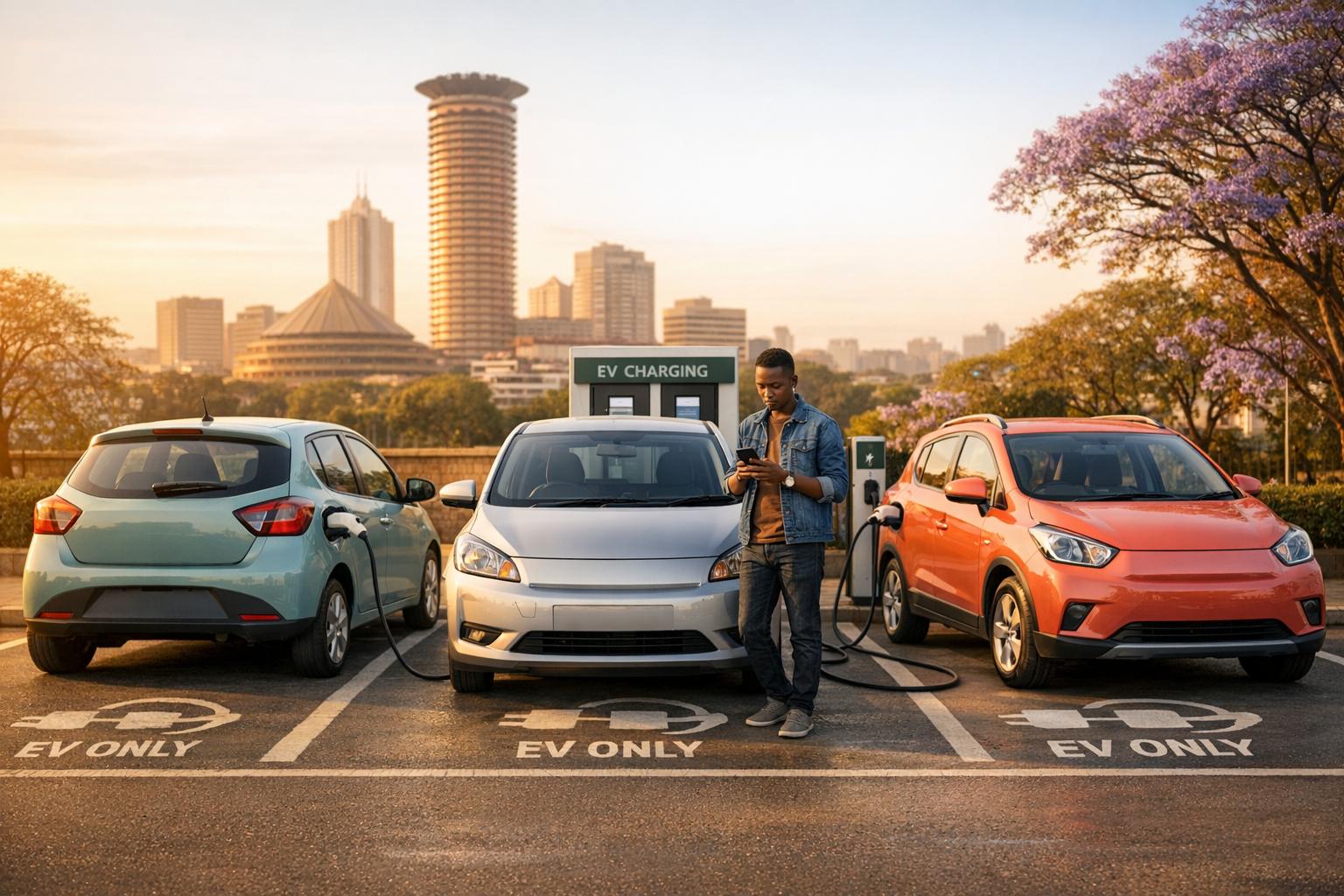
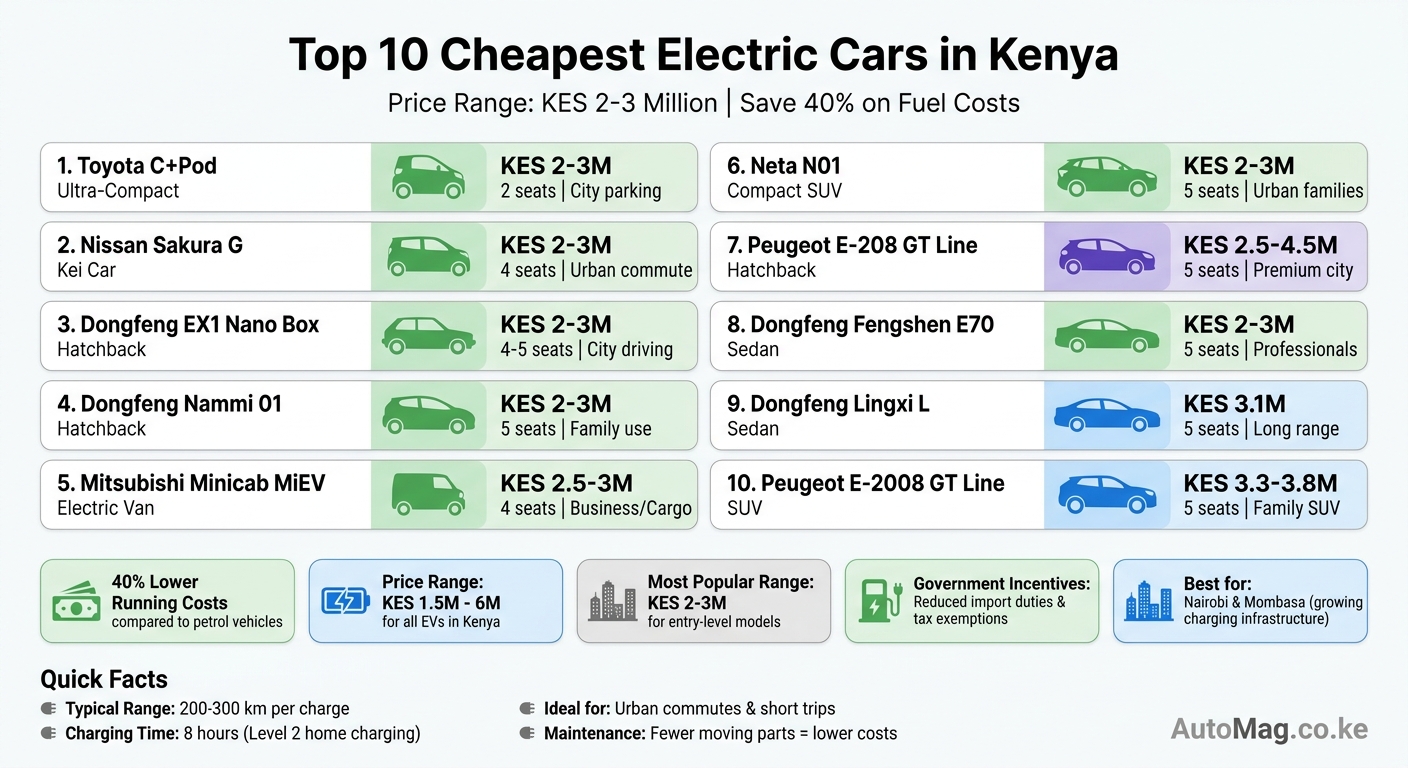
Switching to an electric car in Kenya is now more affordable than ever. With prices ranging from KES 1.5 million to KES 6 million, there are plenty of budget-friendly options that suit city driving, small businesses, and eco-conscious buyers. Most entry-level EVs fall in the KES 2–3 million range, thanks to reduced import duties and government incentives. Here’s a quick overview of the most affordable electric vehicles available:
- Toyota C+Pod and C+Walk models: Compact and ideal for city use, priced between KES 2–3 million.
- Mitsubishi Minicab MiEV Vans: Perfect for urban businesses, offering cargo space and low running costs.
- Nissan Sakura G: Reliable and compact, designed for Kenya’s busy streets.
- Dongfeng EX1 Nano Box and Nammi 01: Affordable hatchbacks with practical range and features.
- Peugeot E-208 and E-2008 GT Line: Stylish options with premium features at mid-range prices.
Most EVs are best suited for urban areas like Nairobi and Mombasa, where charging infrastructure is growing. For rural areas, home charging is essential. On average, driving an EV in Kenya costs 40% less than petrol cars, with fewer maintenance requirements. Whether you’re looking for a personal car or a business van, there’s an electric vehicle to match your needs and budget.
Top 10 Cheapest Electric Cars in Kenya: Price and Specifications Comparison
1. Toyota C+Walk T (Zev11-Abdbss)
Affordability (price in KES)
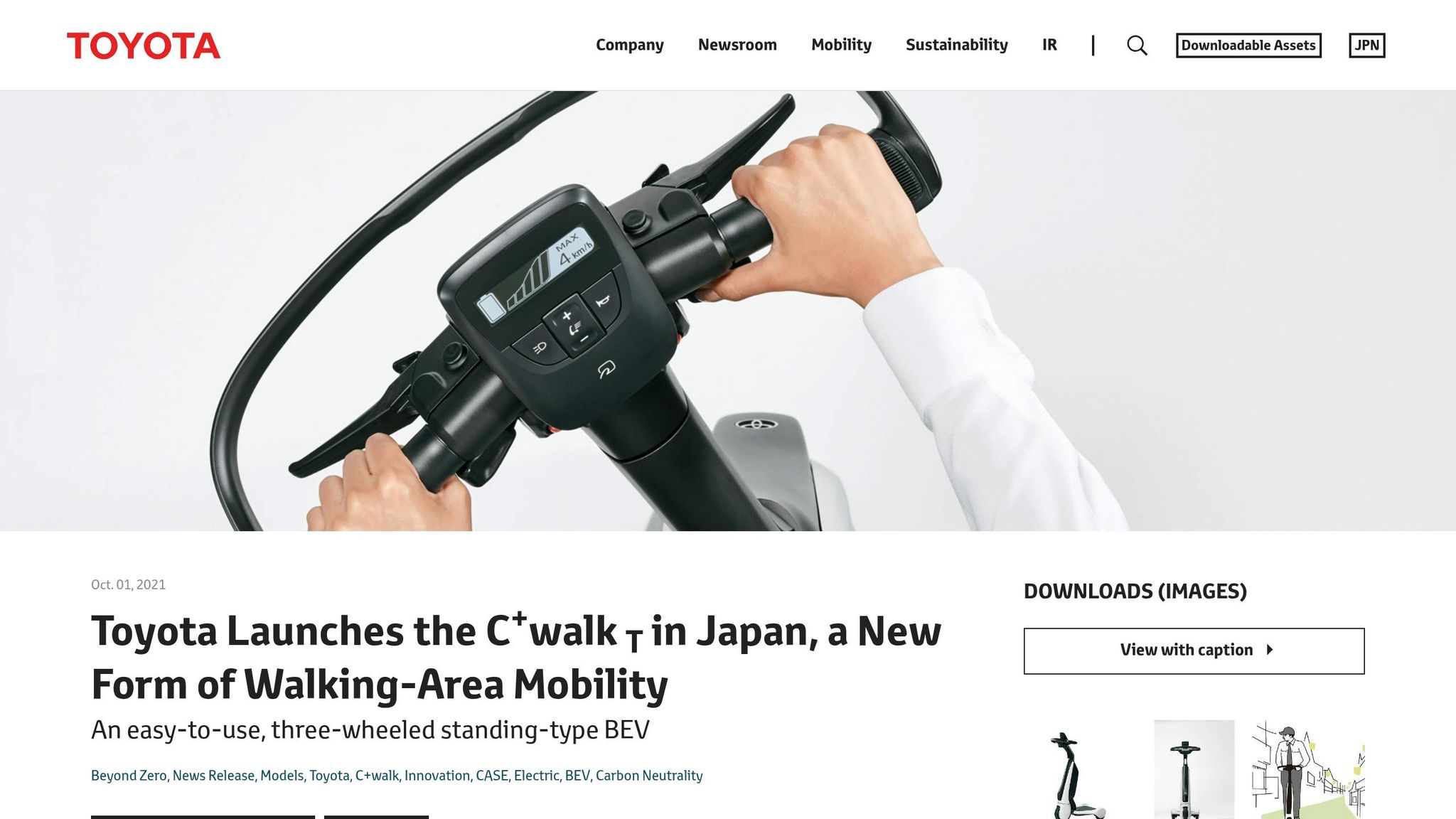
The Toyota C+Walk T, an entry-level electric vehicle (EV), is priced between KES 2–3 million. This makes it an appealing option for those looking to transition from traditional fuel-powered vehicles without breaking the bank.
Suitability for Kenyan Roads and Infrastructure
Designed primarily for city use, the Toyota C+Walk T offers instant torque and a quiet driving experience, making it perfect for navigating urban areas. However, in rural regions where charging stations are scarce, home charging becomes the most practical solution.
Practicality (seating capacity, cargo space, and usage type)
With its compact design, the Toyota C+Walk T is a breeze to park in crowded city spaces. That said, its size does limit both passenger capacity and storage space. On the bright side, the simplicity of its design – fewer moving parts – translates to lower maintenance costs.
sbb-itb-e5ed0ed
2. Toyota C+Walk T (Zev11-Abdhss)
Affordability (price in KES)
The Toyota C+Walk T (Zev11-Abdhss) comes with a price tag of KES 2–3 million, making it one of the more accessible electric vehicles available in Kenya. It’s a budget-conscious choice for anyone looking to step into the EV market. Designed specifically for city driving, it balances cost with practicality.
Suitability for Kenyan Roads and Infrastructure
This model is ideal for urban settings like Nairobi and Mombasa. Its quiet motor, quick acceleration, and instant torque make navigating crowded streets a breeze. However, if you’re planning trips to rural areas, it’s essential to map out charging stops, as charging infrastructure outside major cities is still in its early stages. Installing a Level 2 home charger can make a significant difference, allowing you to fully recharge the vehicle overnight.
Eco-friendliness (range, battery life, and energy efficiency)
Electric vehicles in Kenya are impressively efficient, costing only about 40% of what you’d spend on fuel for a petrol car. To keep the battery in good shape, it’s best to recharge when it drops to around 20%. This simple habit can help you get the most out of your vehicle while maintaining its performance.
3. Toyota C+Walk S (Zev11-Abddss)
Affordability (price in KES)
The Toyota C+Walk S is priced between KES 2–3 million, making it an accessible option for those looking to enter the electric vehicle market. Its low operating costs further enhance its appeal for budget-conscious buyers.
Suitability for Kenyan Roads and Infrastructure
This model shines in urban settings like Nairobi and Mombasa. Its instant torque and quiet operation make it perfect for navigating stop-and-go traffic. However, venturing into rural areas requires careful planning due to limited charging stations outside major cities. These attributes make it a great fit for Kenya’s city-dominated driving environment.
Eco-friendliness (range, battery life, and energy efficiency)
Electric vehicles in Kenya, like the C+Walk S, offer substantial savings on fuel compared to traditional gasoline-powered cars. Charging at home is not only convenient but also an energy-efficient option for most users.
Practicality (seating capacity, cargo space, and usage type)
The Toyota C+Walk S is designed with everyday practicality in mind. Its compact size is perfect for daily commutes and short trips, making parking in crowded urban areas a breeze. Plus, its streamlined design helps keep maintenance costs low over time.
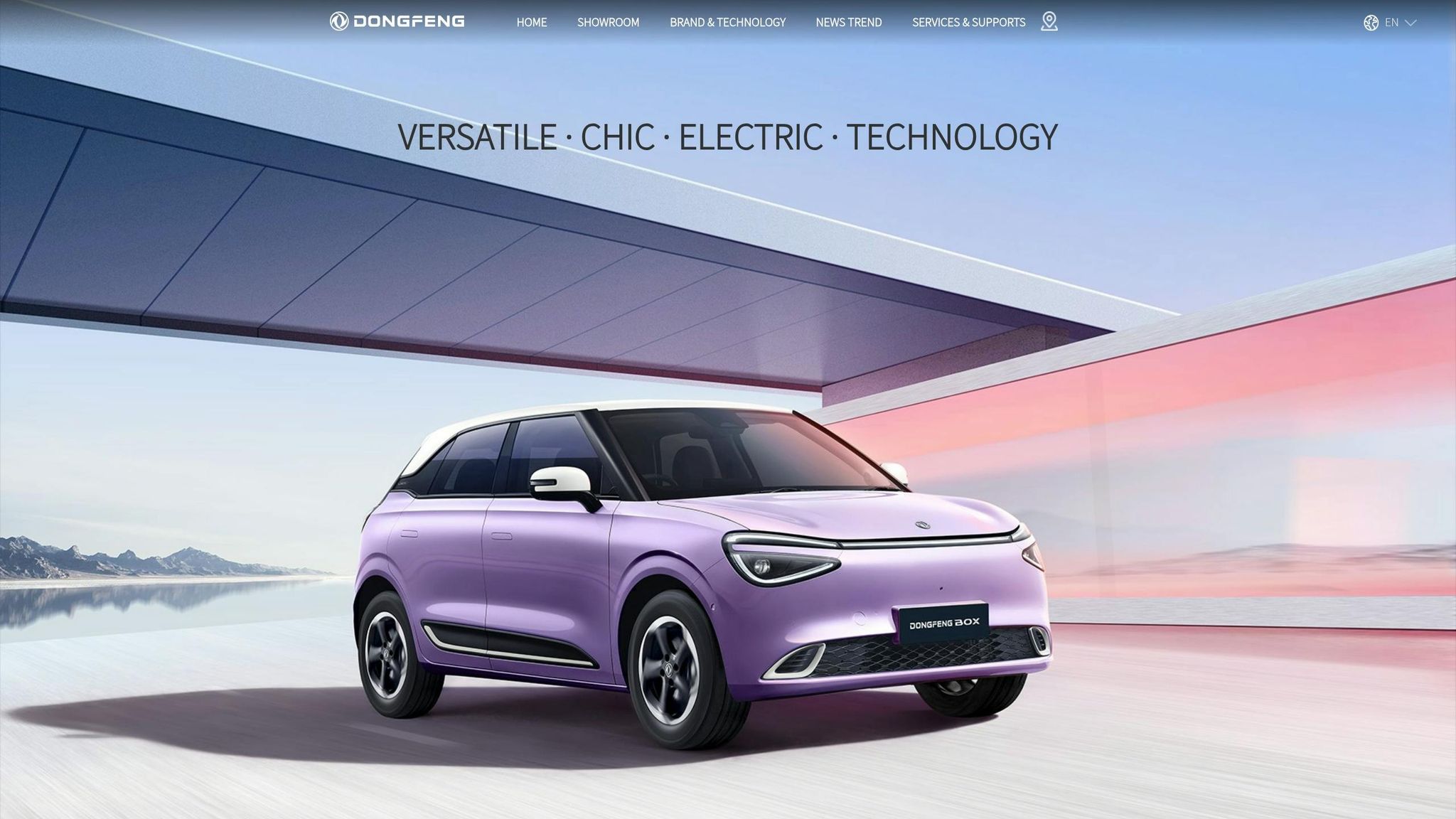
4. Dongfeng EX1 Nano Box
Affordability (price in KES)
The Dongfeng EX1 Nano Box comes with a price tag of KES 2–3 million, making it an attractive option for budget-conscious buyers. On top of that, reduced import taxes make it even more appealing financially.
Suitability for Kenyan Roads and Infrastructure
This car shines in urban settings. Its compact design and quick acceleration make it perfect for navigating through city traffic. In cities like Nairobi and Mombasa, charging stations are more accessible, but if you’re traveling to rural areas, you’ll need to plan your charging stops carefully due to limited infrastructure.
Eco-friendliness (range, battery life, and energy efficiency)
The Nano Box is a step toward reducing greenhouse gas emissions, especially in busy urban areas. To maintain the battery’s longevity, it’s best to recharge it once the charge level drops to around 20%.
Practicality (seating capacity, cargo space, and usage type)
Designed for city life, the Nano Box is great for daily commutes and squeezing into tight parking spots. However, its small size means both passenger and cargo space are somewhat limited.
5. Dongfeng Nammi 01
Affordability (price in KES)
In China, the Dongfeng Nammi 01 is priced between $10,530 and $14,750, which translates to approximately KES 1.37–1.92 million. However, once you factor in shipping and taxes, the cost in Kenya increases to around KES 2–3 million.
Suitability for Kenyan Roads and Infrastructure
This compact hatchback is well-suited for urban environments in Kenya. Its 70 kW motor (equivalent to 94 hp) and 118 lb-ft of torque ensure quick acceleration, making it a great fit for city traffic. Thanks to its 104.7-inch wheelbase and compact design, it can easily maneuver through crowded streets. While its top speed of 87 mph (140 km/h) is sufficient for city driving, it might not perform as well for high-speed highway trips. For rural journeys, careful planning is essential due to the limited availability of charging stations in those areas.
Eco-friendliness (range, battery life, and energy efficiency)
The Nammi 01 is equipped with two battery options, both using Lithium Iron Phosphate (LFP) technology. The smaller 31.5 kWh battery delivers a range of 330 km (205 miles), while the larger 42.3 kWh battery extends the range to 430 km (267 miles), based on the Chinese efficiency test cycle. LFP batteries are known for their durability and safety features. To maintain battery health, it’s recommended to recharge when the battery level drops to about 20%. These features make the Nammi 01 an environmentally conscious choice for everyday use.
Practicality (seating capacity, cargo space, and usage type)
Designed as a 5-seater hatchback, the Nammi 01 is perfect for urban commutes and small family trips. Its interior includes a 12.8-inch touchscreen and Level 2 driver assistance features such as adaptive cruise control, lane keep assist, and autonomous parking. The front seats can also recline fully flat at the push of a button, adding a layer of convenience. The charging port is thoughtfully placed above the front-right wheel to reduce the risk of damage in minor collisions. Weighing 2,892.5 pounds, the car strikes a balance between efficiency and stability.
6. Toyota C+Pod G (Zaz-Rmv12-Agdqs)
Affordability (price in KES)
With a price range of KES 2–3 million, the Toyota C+Pod G stands out as a cost-effective option for those looking to transition to electric vehicles. Thanks to government incentives like reduced import duties and tariffs, it becomes an even more appealing choice, especially when compared to luxury EVs that often exceed KES 6 million.
Suitability for Kenyan Roads and Infrastructure
The compact design and quiet operation of the C+Pod G make it perfect for bustling urban areas such as Nairobi and Mombasa. Its instant torque ensures smooth navigation through city traffic. However, the lack of charging stations in rural areas means drivers need to rely on home charging and plan their routes carefully. These features align well with urban lifestyles and promote cleaner air in congested cities.
Eco-friendliness (range, battery life, and energy efficiency)
The C+Pod G is a solid choice for reducing emissions, making it a cleaner alternative for daily transport. To maintain battery health and extend its lifespan, it’s recommended to keep charge levels above 20%. This focus on sustainability adds to its appeal for environmentally conscious drivers.
Practicality (seating capacity, cargo space, and usage type)
Designed for city commuting and short trips, the C+Pod G’s compact size simplifies parking and maneuvering in tight spaces. Its minimal moving parts also mean lower maintenance costs over time. However, importing the vehicle involves a process that includes meeting KEBS standards and obtaining a roadworthiness certificate (like JEVIC), which typically takes five to eight weeks.
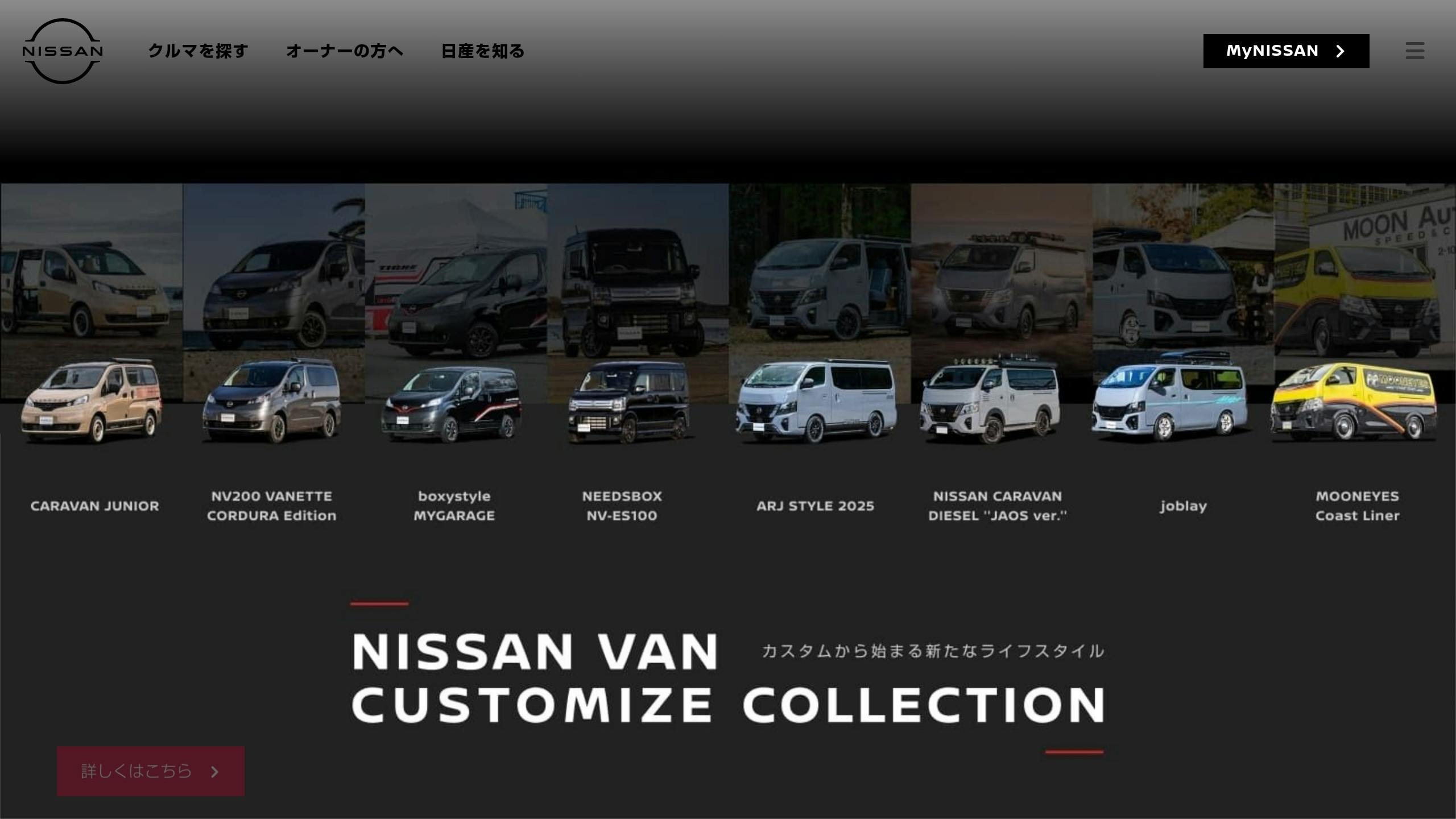
7. Nissan Clipper DX GL (5BD-DR17V)
Affordability (price in KES)
The Nissan Clipper DX GL is priced between KES 2 million and KES 3 million, making it an accessible option for small businesses and individuals. On top of this, government incentives can help lower the cost compared to traditional vans, adding to its appeal for budget-conscious buyers.
Suitability for Kenyan Roads and Infrastructure
The Clipper DX GL shines in urban settings, particularly in bustling cities like Nairobi and Mombasa. Its instant torque ensures smooth navigation through busy streets, making it a practical choice for city driving. Kenya’s growing network of charging stations in major urban areas supports its daily use. However, for rural trips, careful planning is essential due to the limited availability of charging points. Installing a home charging station can also simplify overnight charging needs. Overall, this van is best suited for urban environments.
Eco-friendliness (range, battery life, and energy efficiency)
This model is a step toward cleaner air in Kenya’s congested cities, offering a significant reduction in carbon emissions compared to diesel vans. It also keeps running costs low, as electricity is more affordable than petrol or diesel in Kenya.
Practicality (seating capacity, cargo space, and usage type)
Built primarily for commercial purposes, the Nissan Clipper DX GL provides ample cargo space, making it perfect for urban deliveries and small business needs. Its design, with fewer moving parts compared to traditional vans, translates to lower maintenance costs and longer service intervals. These features are especially appealing to delivery services, fleet operators, and businesses looking to manage expenses effectively.
Chinese EVs You Can Buy in Kenya – Africa EV Show
8. Neta N01
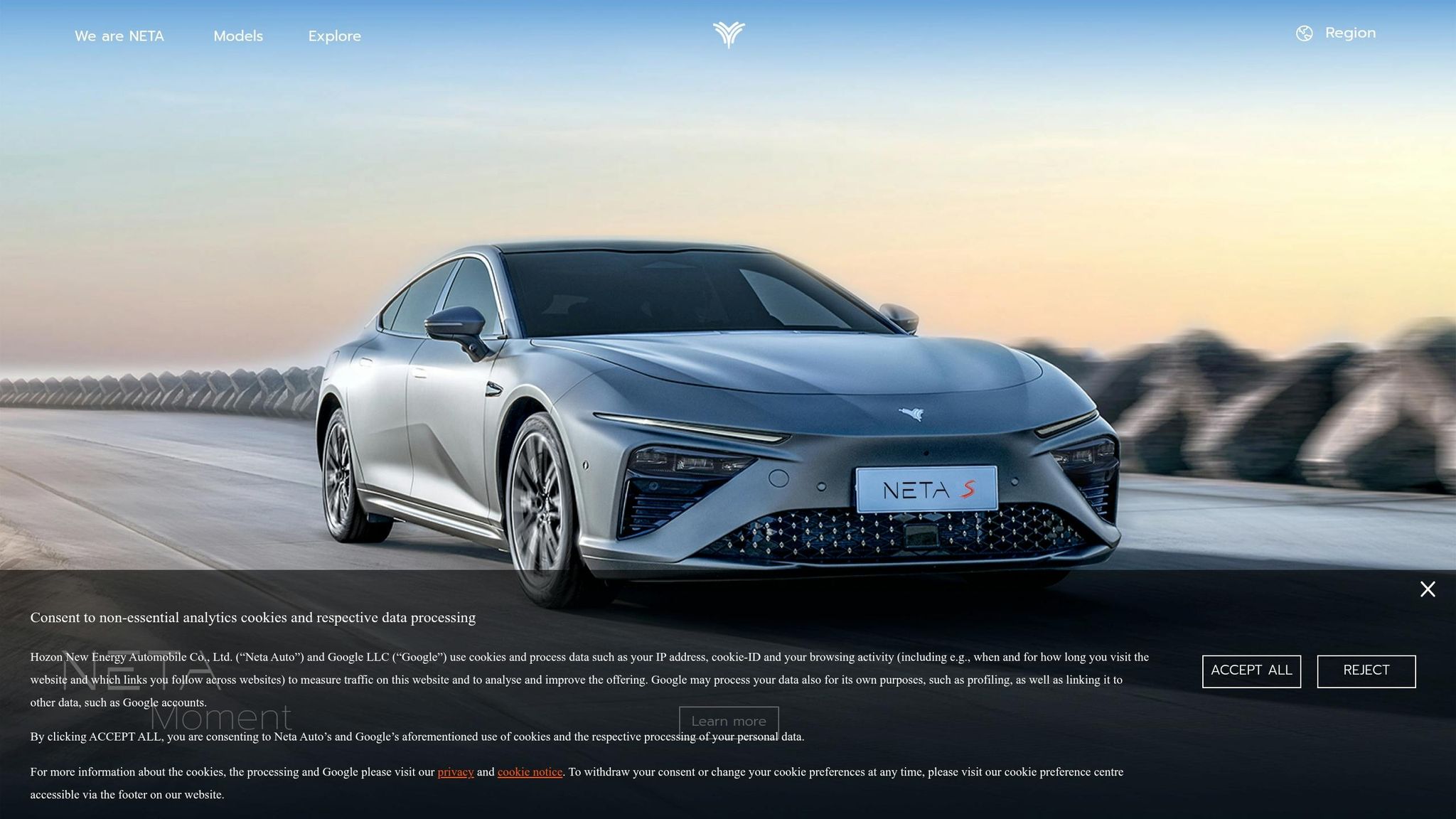
The Neta N01 strikes a balance between affordability and practicality, making it a noteworthy option in Kenya’s urban EV market.
Affordability (price in KES)
With a price range of KES 2 million to KES 3 million, the Neta N01 is positioned as an entry-level electric vehicle. The Kenyan government’s reduced import duties and taxes make it an appealing choice for those seeking cost-effective and environmentally friendly transportation. This price point, combined with its city-friendly design, makes it a strong contender for budget-conscious buyers.
Suitability for Kenyan Roads and Infrastructure
The compact SUV is well-suited for urban centers like Nairobi and Mombasa, thanks to its instant torque, which is perfect for navigating stop-and-go traffic. While the growing network of fast chargers in major cities supports daily commutes, planning is essential for rural trips due to limited charging options. For added convenience, home charging is highly recommended.
Eco-friendliness (range, battery life, and energy efficiency)
The Neta N01 helps improve air quality in urban areas with its energy-efficient design. It optimizes battery power usage, offering a more efficient alternative to traditional combustion engines. This not only reduces running costs but also minimizes your carbon footprint.
Practicality (seating capacity, cargo space, and usage type)
Designed with city life in mind, the Neta N01’s compact build makes it perfect for commutes and daily errands. Its simplified design, featuring fewer moving parts than conventional vehicles, translates to lower maintenance costs, adding to its practicality for urban drivers.
9. Toyota C+Pod (Zaz-Rmv12-Agdqs)
Toyota continues to expand its compact EV lineup, and the C+Pod is designed to make urban travel simpler and more efficient.
The Toyota C+Pod is a tiny, ultra-compact electric vehicle built specifically for navigating tight urban spaces.
Affordability (price in KES)
The Toyota C+Pod comes with a price tag of KES 2–3 million, with the 2023 model offering a base price of $12,972. It benefits from reduced import duties and lower taxes, making it an appealing option for those looking to enter the EV market.
Suitability for Kenyan Roads and Infrastructure
This EV is perfect for bustling cities like Nairobi and Mombasa. Its quiet operation and instant torque make city commutes smoother. However, in rural areas where charging infrastructure is scarce, home charging becomes vital. Planning routes and identifying charging points can help alleviate range concerns.
Eco-friendliness (range, battery life, and energy efficiency)
As a fully electric vehicle, the C+Pod produces zero tailpipe emissions and is highly efficient for short city trips. To maintain battery health, charging when the battery drops to around 20% is advisable. Its minimalistic design also means lower maintenance needs.
Practicality (seating capacity, cargo space, and usage type)
The C+Pod features a 2-seat, 3-door design, making it ideal for daily commutes and short trips. Its compact size is perfect for individuals or couples, and it includes basic yet essential features like power steering, air conditioning, airbags, and ABS.
10. Vauxhall Yes 1.2 (100PS) Turbo (1GJOA5HL6KT02CH0)
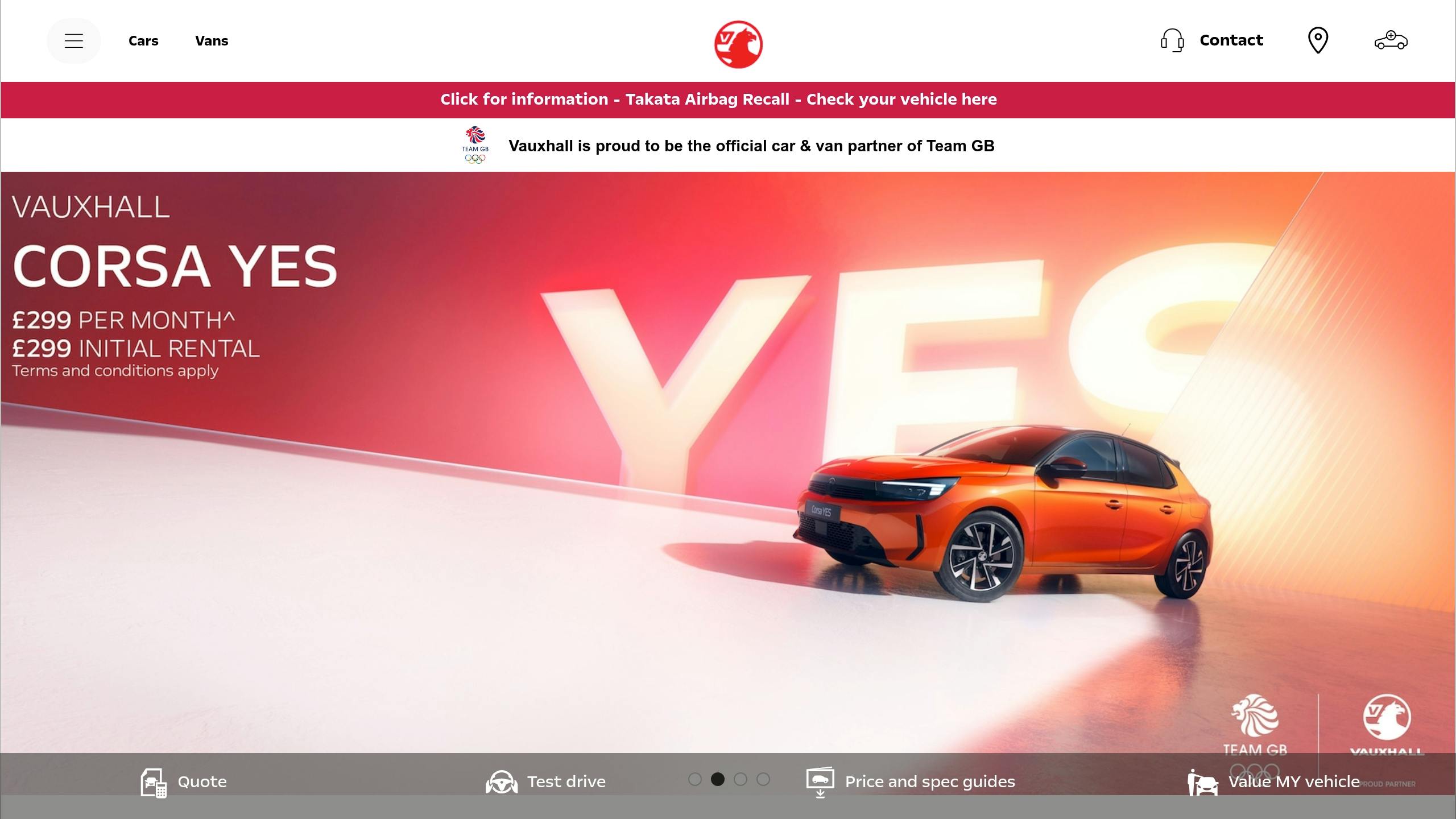
The Vauxhall Yes 1.2 Turbo is a compact electric car designed to deliver efficient performance, making it a great choice for urban driving in Kenya.
Affordability (price in KES)
In Kenya’s entry-level EV market, the Vauxhall Yes 1.2 (100PS) Turbo is priced between KES 2 million and KES 3 million. This cost aligns with other budget-friendly compact EVs, especially considering the tax incentives and reduced import duties offered by the Kenyan government. These benefits make the car more accessible while supporting its appeal for city driving.
Suitability for Kenyan Roads and Infrastructure
This EV shines in urban areas like Nairobi and Mombasa, where its instant torque and agile handling help manage heavy traffic and frequent stops. However, rural regions may pose challenges due to limited charging infrastructure. For those venturing outside city limits, a home charging station can be a smart investment, provided reliable electricity is available.
Eco-friendliness (range, battery life, and energy efficiency)
The Vauxhall Yes is a zero-emissions vehicle, which not only reduces environmental impact but also lowers running costs compared to fuel-powered cars. Its instant torque ensures efficient city driving. To keep the battery in top shape, it’s best to recharge when the charge level hits around 20%, avoiding full depletion.
Practicality (seating capacity, cargo space, and usage type)
With its compact hatchback design, the Vauxhall Yes is ideal for one or two passengers. Its small size makes it perfect for city commuting, and the simplified electric powertrain means fewer moving parts, resulting in lower maintenance costs compared to traditional vehicles.
11. Mitsubishi Minicab MiEV Van CD (Zab-U68V-Hldda)
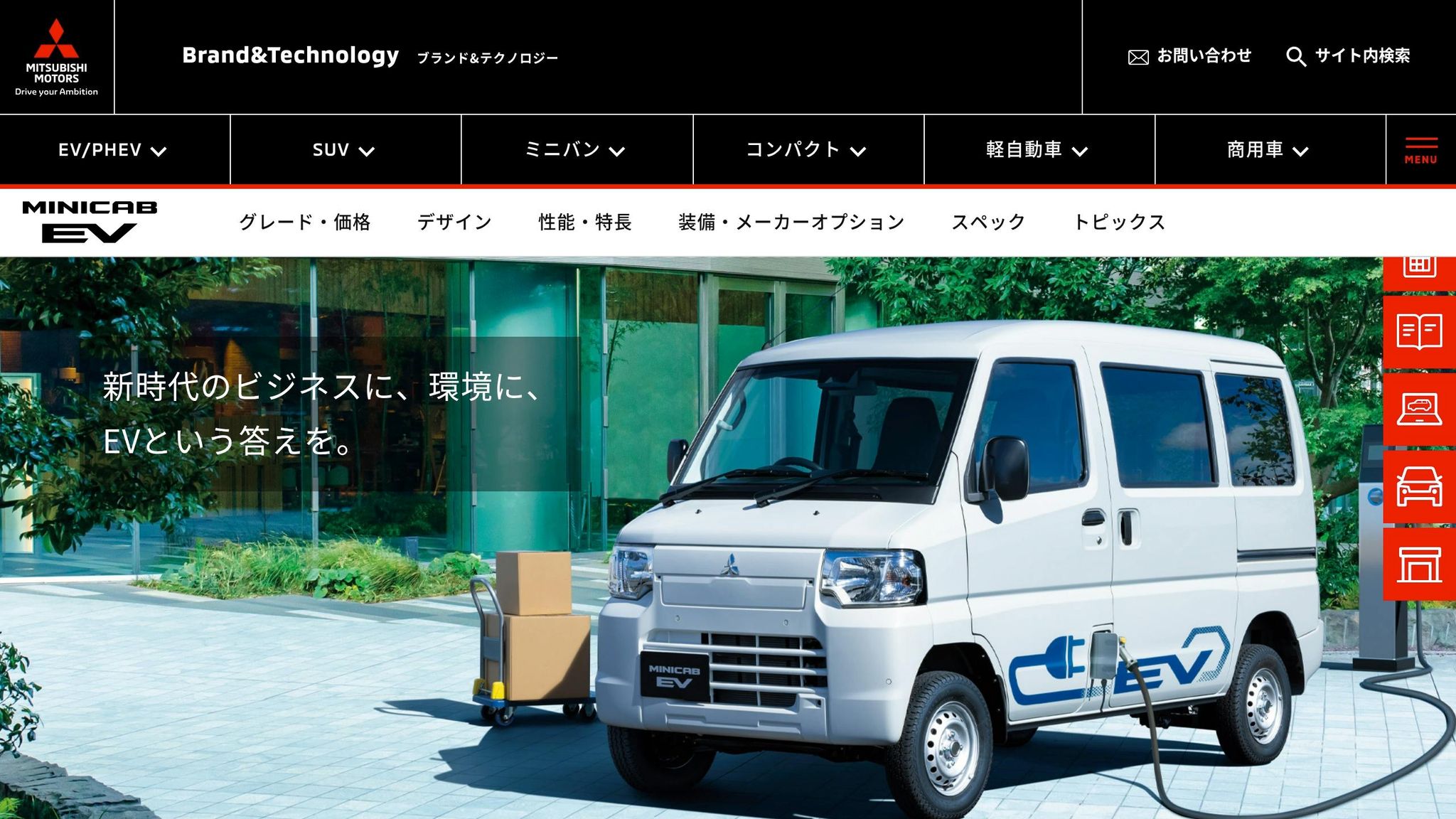
The Mitsubishi Minicab MiEV Van CD is an electric van designed to meet the demands of urban businesses, offering practicality and zero emissions.
Affordability (price in KES)
A used 2020 model is priced at a FOB cost of $4,145. After factoring in import duties and other costs, the total price typically ranges between KES 2.5 million and KES 3 million. Kenya’s reduced import duties and tax exemptions for electric vehicles make this an attractive option for budget-conscious buyers.
Suitability for Kenyan Roads and Infrastructure
This van thrives in urban settings like Nairobi and Mombasa, thanks to its instant torque, which makes navigating stop-and-go traffic much easier. The 2WD automatic transmission ensures smooth handling in congested city streets. However, businesses operating in rural areas may face challenges due to limited charging infrastructure outside major cities. Installing a private charging station can help mitigate this issue, provided there’s reliable electricity.
Eco-friendliness (range, battery life, and energy efficiency)
The Minicab MiEV Van CD features a 16.0kWh battery, delivering zero emissions and offering a more sustainable alternative to diesel-powered vans. To prolong the battery’s lifespan, it’s recommended to recharge when the battery level drops to around 20%. With its simplified electric powertrain, the van also benefits from reduced maintenance costs over time, as it has fewer moving parts.
Practicality (seating capacity, cargo space, and usage type)
The high-roof design allows for 4 passengers and provides approximately 9.52 m³ of cargo space. This makes it a great fit for delivery services, small-scale logistics, and other commercial needs in urban environments. The Minicab MiEV Van CD continues to offer a cost-effective, eco-friendly solution tailored to Kenya’s urban transport requirements.
12. Peugeot E-208 GT Line (Zaa-P21Zk01)
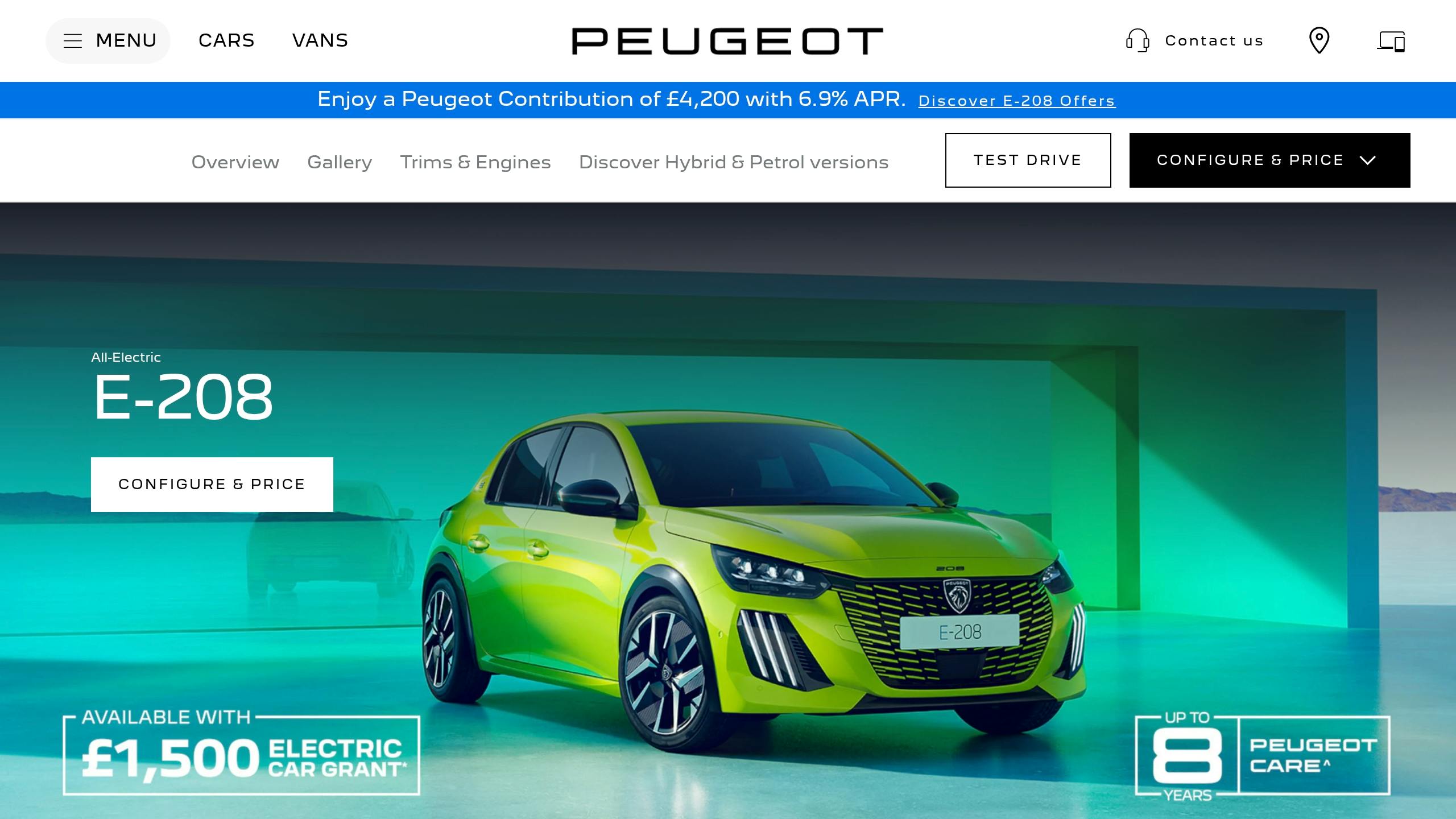
The Peugeot E-208 GT Line stands out as a stylish and practical option for those exploring affordable electric vehicles in Kenya. With its French design flair and modern features, it offers a compelling choice for urban drivers.
Affordability (price in KES)
A 2024 model with low mileage (around 6,215 miles) is priced at an FOB cost of approximately $15,623, or about KES 2,030,000. Factoring in Kenya’s reduced import duties and landing costs, the total price is estimated to fall between KES 2.5 million and KES 4.5 million. This places the E-208 in the middle-to-upper range of budget-friendly EVs, making it more expensive than entry-level models but still far more attainable than high-end electric cars.
Suitability for Kenyan Roads and Infrastructure
With a length of about 12.8 feet, the E-208 is well-suited for navigating Nairobi’s busy streets and tight parking spaces. Its electric motor provides instant torque, making it a great fit for stop-and-go city traffic. The 2WD automatic transmission adds to the ease of urban driving. However, for longer trips outside urban areas, it’s worth planning charging stops ahead of time or considering a home charging setup, as rural charging infrastructure is still developing.
Eco-friendliness (range, battery life, and energy efficiency)
As a fully electric vehicle, the E-208 produces zero emissions, contributing to cleaner air in cities. It also offers significant savings, cutting monthly fuel costs by about KSh 9,000 compared to petrol-powered hatchbacks. To maintain battery health, it’s recommended to recharge when the battery level drops to around 20%.
Practicality (seating capacity, cargo space, and usage type)
Designed for city life and small families, the E-208 is a 5-seater hatchback with five doors, making it both accessible and versatile. Its 7-inch touchscreen, featuring Apple CarPlay, adds convenience and connectivity for daily commutes. The car strikes a balance between practicality and a premium driving experience, making it a strong contender for urban drivers.
13. Vauxhall Design 1.2 (100PS) Turbo (1GJOA5HL6KT0A0H0)
While this article primarily focuses on electric vehicles, the Vauxhall Design 1.2 (100PS) Turbo is included here for comparison, even though it runs on petrol.
Important Note: This model features a 1.2-liter turbocharged petrol engine.
Why It Matters for Kenyan Buyers
The Vauxhall Design 1.2 operates on petrol, unlike the electric vehicles discussed earlier. This means you won’t experience the cost savings that come with EVs, such as lower fuel expenses and reduced upkeep due to their simpler mechanics. These distinctions in fuel type directly influence both operating costs and the vehicle’s environmental impact.
Environmental and Cost Factors
Since it’s petrol-powered, the Vauxhall Design emits more pollutants compared to electric cars. Additionally, it doesn’t qualify for government incentives aimed at promoting eco-friendly transportation options.
14. Peugeot e-2008 GT (Vr3Ukzkxzmj55)
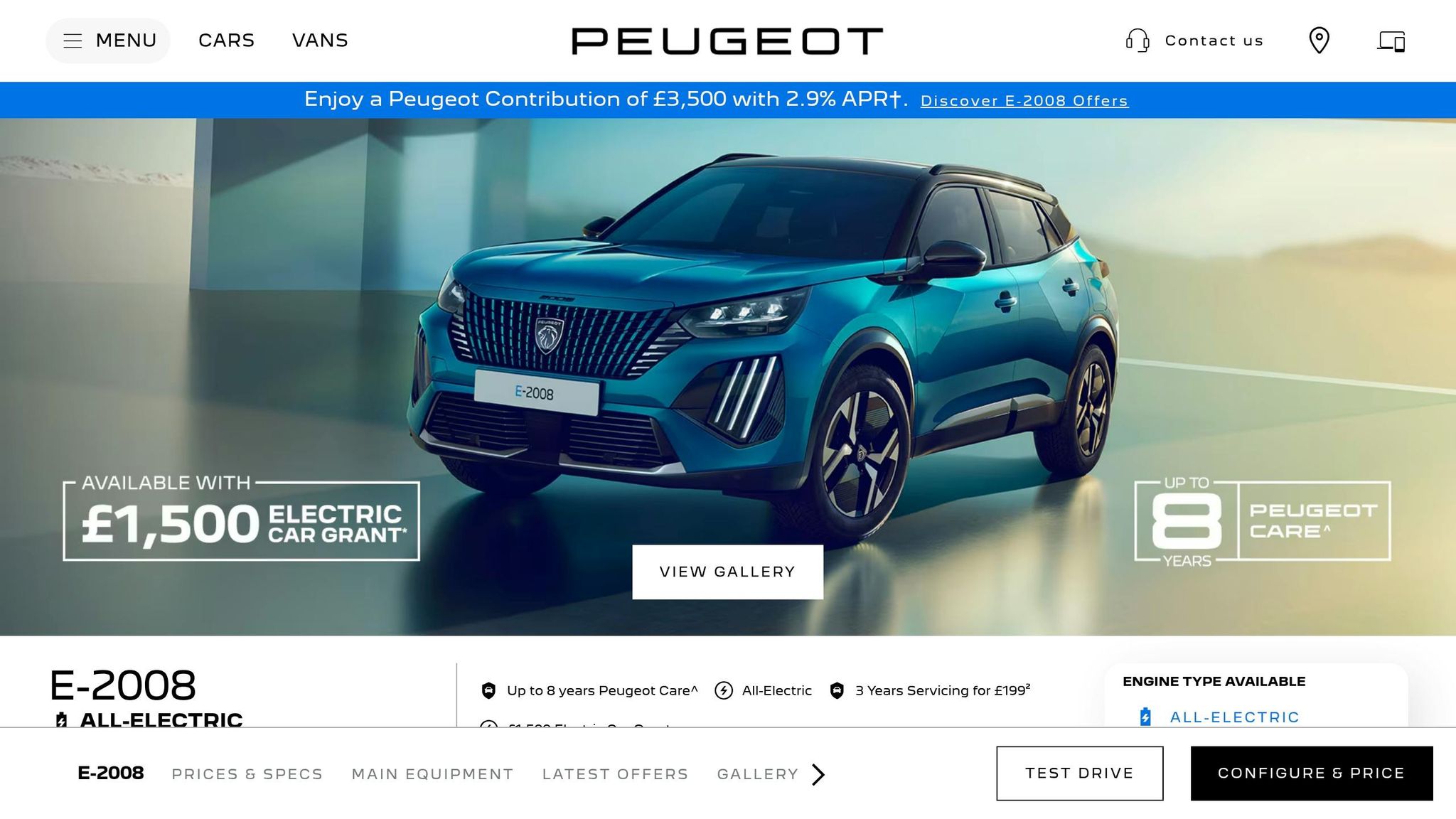
The Peugeot e-2008 GT is an all-electric SUV that combines zero emissions with a spacious interior and a range of modern features.
Affordability (Price in KES)
The 2020 model of the e-2008 GT is priced at around KES 3,350,000 in Nairobi. This positions it within the mid-to-upper tier of Kenya’s electric vehicle market. The vehicle is equipped with advanced features like the Peugeot i-Cockpit®, which includes a compact steering wheel and a digital instrument cluster, emphasizing its premium appeal. For those exploring second-hand options, this model is also available as a foreign-used import in urban centers like Ridgeways. Its pricing and feature set reflect Kenya’s growing interest in well-equipped electric vehicles that align with the country’s improving infrastructure.
Suitability for Kenyan Roads and Infrastructure
The e-2008 GT’s instant torque makes it ideal for navigating urban traffic, especially during stop-and-go conditions. However, rural driving poses challenges due to the limited availability of charging stations outside major cities. Buyers are advised to install home charging systems for overnight charging and to plan longer trips carefully, ensuring access to charging points when traveling beyond Nairobi or Mombasa.
Eco-friendliness (Range, Battery Life, and Energy Efficiency)
This fully electric SUV not only produces zero emissions but also qualifies for government incentives and boasts lower maintenance costs thanks to its efficient design. For optimal performance, it’s recommended to recharge when the battery level reaches about 20%.
Practicality (Seating Capacity, Cargo Space, and Usage Type)
The e-2008 GT offers practical features for families, including a 405-liter boot capacity, which expands to 1,467 liters when the rear seats are folded down. Higher trims come equipped with a 3D navigation system, Apple CarPlay, Android Auto, and multiple USB ports, making it an excellent choice for both daily commutes and weekend getaways.
15. Dongfeng Fengshen E70
The Dongfeng Fengshen E70 is a mid-size electric sedan that balances practicality with eco-conscious performance, making it a noteworthy option for Kenya’s growing EV market.
Affordability (Price in KES)
With a price range of KES 2 million to KES 3 million, the Fengshen E70 fits comfortably within the entry-level segment of Kenya’s electric vehicle market. Thanks to reduced import duties and tax incentives for EVs, it remains an appealing choice for budget-conscious buyers.
Suitability for Kenyan Roads and Infrastructure
The E70 thrives in urban settings like Nairobi and Mombasa, where its instant torque and quiet operation shine in congested, stop-and-go traffic. However, rural areas with limited charging stations may pose challenges, making home charging setups a practical necessity for owners. Its design is well-suited for the everyday demands of city life.
Eco-friendliness (Range, Battery Life, and Energy Efficiency)
As a fully electric sedan, the Fengshen E70 produces zero emissions and offers lower operating costs compared to traditional combustion vehicles. To ensure the battery lasts longer, it’s best to recharge when the battery level dips to around 20%.
Practicality (Seating Capacity, Cargo Space, and Usage Type)
The E70 combines efficiency with functionality, offering comfortable seating and generous cargo space. This makes it an excellent choice for urban families and professionals handling daily commutes, school runs, and weekend errands – especially in areas with dependable charging options.
16. Dongfeng Lingxi L
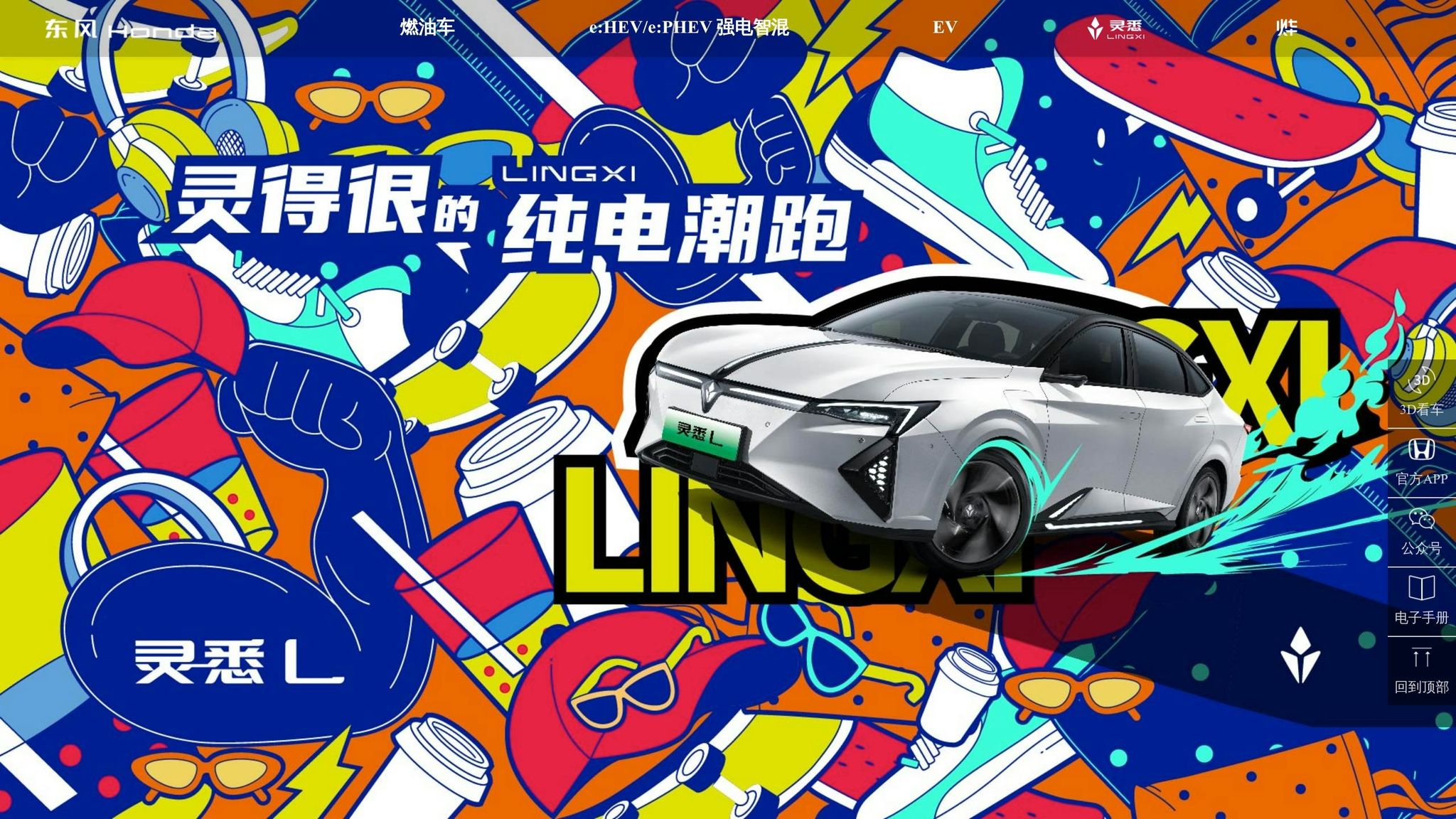
The Dongfeng Lingxi L is a stylish 2023 electric sedan developed through the Dongfeng-Honda partnership.
Affordability (Price in KES)
The Lingxi L stands out with its competitive pricing, tailored for Kenya’s urban driving needs. With a starting price of approximately KES 3.1 million (converted from $24,000 USD), it’s more affordable than rivals like the Nissan Leaf (around KES 3.6 million) and Tesla Model 3 (about KES 4.6 million). Additionally, government incentives help reduce import costs, making it even more appealing for Kenyan buyers.
Suitability for Kenyan Roads and Infrastructure
Powered by a 160 kW motor and designed with compact dimensions – 15.8 ft in length and 6.0 ft in width – the Lingxi L is perfectly suited for navigating Nairobi’s busy streets. Its instant torque is ideal for stop-and-go traffic, ensuring smooth urban commutes. With an 8-hour Level 2 charging time, it’s easy to recharge overnight at home. However, for journeys beyond cities like Nairobi or Mombasa, drivers should plan ahead due to limited charging infrastructure in rural areas. This combination of performance and efficiency makes it a great fit for urban lifestyles.
Eco-friendliness (Range, Battery Life, and Energy Efficiency)
The Lingxi L features a 60 kWh lithium iron phosphate (LFP) battery, delivering an impressive range of about 323 miles (520 km) on a single charge. This range surpasses competitors like the Tesla Model 3 (263 miles) and Nissan Leaf (226 miles). The LFP battery ensures durability and safety, while design elements such as hidden door handles and digital side mirrors enhance energy efficiency.
Practicality (Seating Capacity, Cargo Space, and Usage Type)
Designed with families and daily commuters in mind, the Lingxi L comfortably seats five passengers and provides ample cargo space for errands and trips. Inside, the cabin is equipped with five integrated screens, including a digital instrument cluster, a central control display, and screens for passenger entertainment and digital mirrors. Advanced features like autonomous parking and adaptive cruise control add to its convenience. With a 4.7 out of 5 user rating from 43 reviews, the Lingxi L has earned praise for its practicality and modern amenities.
17. Peugeot E-2008 GT Line (Zaa-P24Zk01)
The Peugeot E-2008 GT Line (2024) is a sleek, eco-conscious electric SUV designed to handle Kenya’s roads with ease. This 5-door, 5-seater vehicle comes with a 2WD drivetrain and automatic transmission, making it a practical choice for families and professionals alike. Its mix of affordability and premium features positions it as a strong contender in Kenya’s growing electric vehicle market.
Affordability (Price in KES)
The base price for the Peugeot E-2008 GT Line is approximately US$25,108 (FOB), translating to a Kenyan price range of KES 3,264,000 to KES 3,762,000, excluding duties and other local fees. It slots into the mid-range segment of electric SUVs, offering a more budget-friendly alternative to models like the BYD Seagull B, priced at KES 4,532,500, but at a higher cost compared to used hybrids like the 2021 Toyota RAV4 X, available for KES 2,331,000. The GT Line trim comes equipped with standout features such as a navigation system, a back camera, alloy wheels, and a panoramic sunroof. Additionally, government incentives on EV imports help offset costs, making it a more accessible choice compared to traditional fuel-powered vehicles.
Suitability for Kenyan Roads and Infrastructure
The design of the E-2008 makes it well-suited for Kenya’s diverse road conditions, particularly in urban areas like Nairobi. Its electric motor delivers instant torque, which is ideal for stop-and-go traffic in cities such as Nairobi and Mombasa. While urban drivers benefit from the growing network of charging stations, planning is essential for longer journeys. Safety features, including a blind spot monitor, front sonar, and Electronic Stability Control (ESC), further enhance its performance and safety on busy highways.
Eco-friendliness (Range, Battery Life, and Energy Efficiency)
As a fully electric SUV, the E-2008 produces no tailpipe emissions, contributing to cleaner air in Kenya’s cities. Running on electricity is not only more cost-effective than using petrol or diesel but also results in lower maintenance expenses due to fewer moving parts. To extend battery life, it’s recommended to recharge when the battery level drops to around 20%, avoiding deep discharges.
Practicality (Seating Capacity, Cargo Space, and Usage Type)
The E-2008 GT Line balances premium features with everyday practicality. It comfortably seats five passengers and offers luxurious leather and Alcantara seats with built-in heaters. The 5-door design ensures easy access to cargo space, making it perfect for daily commutes, family outings, and grocery trips. Many of these vehicles available on the secondary market have minimal mileage, often under 2,000 km, making them almost new. Additionally, the sourcing platform used for this model has received a 97% satisfaction rating from over 81,000 customers, highlighting its reliability and quality.
18. Vauxhall Design 1.2 (100PS) Turbo (1GJOA5HL81T0A0H0)
Note: While most of the vehicles in this list are electric, the Vauxhall Design 1.2 (100PS) Turbo stands out as a gasoline-powered option. This model caters to those considering traditional fuel vehicles instead of electric ones. However, it’s important to note that it doesn’t qualify for the EV incentives mentioned earlier, making it a less attractive choice for buyers prioritizing environmental benefits.
Affordability (Price in KES)
With a price range of KES 2,000,000 to KES 3,000,000, this car competes with entry-level EVs in terms of upfront cost. However, its running expenses are higher due to the lack of government incentives like reduced import duties, which EVs benefit from. Over time, these additional taxes and fuel costs can make ownership more expensive compared to electric alternatives.
Suitability for Kenyan Roads and Infrastructure
The Vauxhall Design handles urban areas like Nairobi and Mombasa with ease, thanks to its compact size and smooth performance in stop-and-go traffic. Parking and maneuvering are straightforward, and the widespread availability of petrol stations across Kenya eliminates concerns about range. Its turbocharged engine delivers enough power for highway driving and light off-road conditions, though it doesn’t match the instant torque offered by EVs.
Practicality (Seating Capacity, Cargo Space, and Usage Type)
This model is well-suited for city use, offering comfortable seating and adequate cargo space. The automatic transmission makes it a convenient choice for navigating traffic-heavy areas. However, for buyers prioritizing eco-friendly options and long-term savings, electric vehicles remain a more appealing choice.
19. Nissan Sakura G (Zaa-B6Aw)
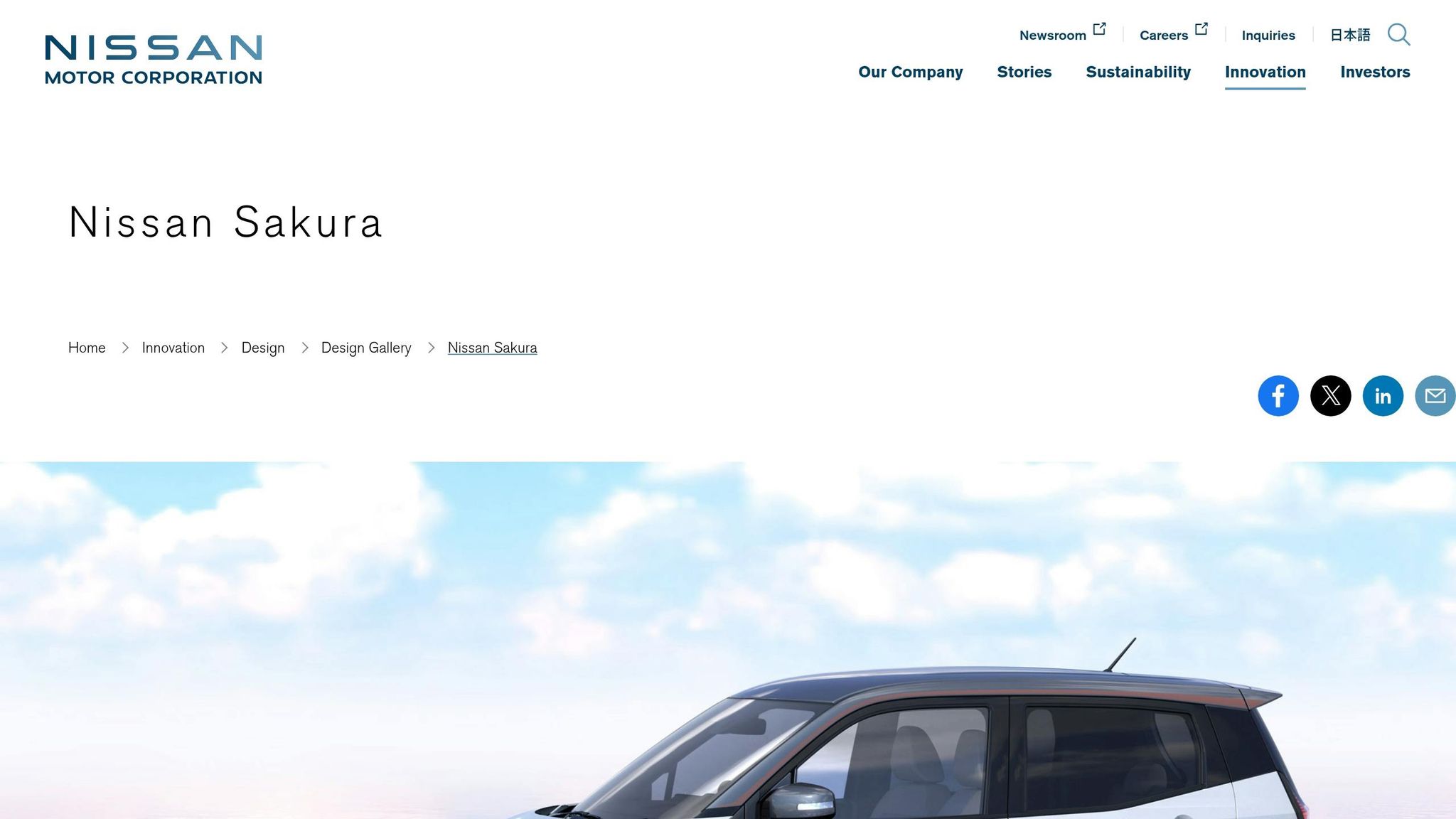
The Nissan Sakura G is a small yet dependable electric vehicle (EV) designed for urban living. Known for its success with the Nissan Leaf, one of Kenya’s top-selling and trusted EVs, Nissan brings that same reliability to the Sakura G, but in a more compact form tailored for city driving.
Price Range in Kenya
The Nissan Sakura G is priced between KES 2,000,000 and KES 3,000,000. This makes it a cost-effective choice for those looking to switch to electric vehicles without breaking the bank. Buyers can also take advantage of government incentives that make owning an EV even more appealing.
Performance on Kenyan Roads
Built with urban environments in mind, the Sakura G’s compact design and instant torque make it perfect for navigating congested streets and tight parking spaces. While charging stations are well-distributed in major cities, rural areas have fewer options. This means drivers should plan longer trips carefully if venturing beyond urban centers.
Cost Efficiency and Maintenance
Switching to an EV like the Nissan Sakura G can lead to substantial savings, with fuel costs reduced by approximately 40% compared to gasoline-powered vehicles. Additionally, the simplified mechanics of EVs – fewer moving parts – translate to lower maintenance costs over time. This makes the Sakura G an economical choice for daily commuting.
Everyday Usability
Designed for short trips and daily errands, the Sakura G is compact yet practical. It offers enough seating and cargo space for small families or individuals managing their day-to-day activities. Its size and functionality are well-suited to meet local needs.
20. Mitsubishi Minicab-MiEV Van CD (Zab-UV68V-Hldda)
The Mitsubishi Minicab-MiEV Van CD is a cargo-focused electric van built for commercial use. It combines practicality with eco-friendly performance, making it a smart choice for Kenya’s urban roads. The 2020 model features a 16.0 kWh battery and a 2WD automatic transmission system.
Affordability (price in KES)
This electric van is priced between KES 2,000,000 and KES 3,000,000, making it a cost-effective option for entrepreneurs and small businesses. With incentives like reduced import duties and road tax exemptions offered by the Kenyan government, owning this vehicle becomes even more appealing for commercial operators.
Practicality (seating capacity, cargo space, and usage type)
The Minicab-MiEV is designed with a focus on functionality, offering seating for 4 people while prioritizing cargo space. This setup is perfect for delivery services, small businesses, and tradespeople who need to transport goods efficiently within the city. Its compact size makes it easy to maneuver through Nairobi’s and Mombasa’s tight streets, while the spacious cargo area supports daily business needs. This balance of size and utility ensures smooth operations in urban environments.
Suitability for Kenyan roads and infrastructure
Built for urban use, the Minicab-MiEV performs best on paved roads in cities like Nairobi and Mombasa. Its electric motor provides instant torque, which is ideal for stop-and-go traffic in busy commercial districts. However, the 2WD system is more suited to well-maintained roads, and it may not handle rough terrain effectively. For businesses operating in rural areas, careful planning for charging stops is essential due to limited charging infrastructure outside major cities. These characteristics highlight the van’s focus on urban efficiency.
Eco-friendliness (range, battery life, and energy efficiency)
Switching to an electric van like the Minicab-MiEV significantly lowers greenhouse gas emissions and fuel expenses compared to diesel-powered alternatives. To maximize battery life, it’s recommended to recharge when the battery level drops to about 20%. Additionally, its quiet operation reduces noise pollution, making it a great choice for use in both residential and commercial neighborhoods. This model not only helps reduce operating costs but also supports Kenya’s move toward cleaner and more sustainable transportation solutions.
Price Comparison Table
Here’s a quick summary of affordable EVs available in Kenya, showcasing their key specifications and suitability for local roads. This table is designed to help you make quick and informed comparisons at a glance.
| Rank | Make/Model/Variant | Body Type/Drive | Price Range (KES) | Seating Capacity | Suitability for Kenyan Roads |
|---|---|---|---|---|---|
| 1 | Toyota C+Walk T (Zev11-Abdbss) | 3-Wheel Mobility Aid / Electric | 2,000,000 – 3,000,000 | 1 Person | Not suited for main roads – see section 1 |
| 2 | Toyota C+Walk T (Zev11-Abdhss) | 3-Wheel Mobility Aid / Electric | 2,000,000 – 3,000,000 | 1 Person | Not suited for main roads – see section 2 |
| 3 | Toyota C+Walk S (Zev11-Abddss) | 3-Wheel Mobility Aid / Electric | 2,000,000 – 3,000,000 | 1 Person | Not suited for main roads – see section 3 |
| 4 | Toyota C+Pod G (Zaz-Rmv12-Agdqs) | Ultra-Compact / 2WD AT | 2,000,000 – 3,000,000 | 2 Seats | Great for city streets and tight parking spaces |
| 5 | Toyota C+Pod (Zaz-Rmv12-Agdqs) | Ultra-Compact / 2WD AT | 2,000,000 – 3,000,000 | 2 Seats | Perfect for navigating urban traffic |
| 6 | Mitsubishi Minicab MiEV Van CD (Zab-U68V-Hldda) | Electric Van / 2WD AT | 2,500,000 – 3,000,000 | 4 Seats | Ideal for urban commercial use |
| 7 | Nissan Sakura G (Zaa-B6Aw) | Kei Car / 2WD AT | 2,000,000 – 3,000,000 | 4 Seats | Compact design for maneuvering tight city streets |
| 8 | Mitsubishi Minicab-MiEV Van CD (Zab-UV68V-Hldda) | Electric Van / 2WD AT | 2,000,000 – 3,000,000 | 4 Seats | Practical for cargo and business needs |
The Toyota C+Walk models stand out as mobility aids, specifically designed for environments other than main roads. On the other hand, compact options like the Toyota C+Pod and Nissan Sakura are excellent for city driving, offering ease of navigation in traffic and parking, though their seating is limited. For business owners, the Mitsubishi Minicab MiEV vans provide a functional solution with cargo space and urban usability. Most entry-level EVs fall within the KES 2–3 million range, benefiting from import duty incentives.
For more details on each model, refer to the corresponding sections above.
Conclusion
Kenya’s electric vehicle (EV) market has grown significantly, offering affordable choices that range from KES 1.5 million to KES 6 million. Whether you’re interested in compact city cars like the Toyota C+Pod or versatile electric vans such as the Mitsubishi Minicab MiEV, there’s now a variety of options making eco-friendly driving more accessible than ever.
The financial benefits are also hard to ignore. Driving an EV in Kenya costs about 40% less compared to petrol-powered vehicles. Maintenance is easier on the wallet too – electric cars don’t require oil changes, spark plug replacements, or transmission repairs. On top of that, government incentives like reduced import duties and road tax exemptions add even more savings. For those navigating Nairobi’s stop-and-go traffic, EVs deliver a smoother ride, thanks to their instant torque and quiet operation.
Before making a purchase, consider your daily driving habits and charging options. Many affordable EV models offer ranges between 124 and 186 miles (200–300 kilometers) per charge, which is ideal for city commutes. If you’re importing an EV, make sure it complies with Kenya Bureau of Standards (KEBS) regulations and comes with valid inspection certificates. For used models, check the service history and battery condition carefully.
If you’re ready to dive into the world of electric vehicles, visit AutoMag.co.ke to explore listings, compare prices, and review specifications tailored for Kenyan roads. These resources can guide you in making an informed choice as you join Kenya’s growing EV community.
FAQs
How much does it cost to charge an EV in Kenya?
The exact cost of charging an EV in Kenya isn’t specified. It depends on factors like local electricity rates and the battery capacity of the vehicle.
Can I rely on home charging if I live outside Nairobi or Mombasa?
Yes, charging your vehicle at home is a practical choice if you live outside Nairobi or Mombasa. However, its reliability depends largely on the infrastructure in your area. Urban regions typically have more public charging stations available, whereas rural areas often lean on home charging setups.
To make home charging work efficiently, you can install a dedicated charging station. This might involve using a standard outlet or upgrading to a faster, more powerful option. Just make sure your home’s electrical system can handle it – consulting a qualified electrician is a smart move to ensure everything is safe and up to code.
What should I check before importing a used electric car into Kenya?
Before bringing a used electric car into Kenya, it’s essential to take a few key steps. First, check that the battery retains at least 80% of its life to ensure reliable performance. Next, confirm the vehicle complies with the Kenya Bureau of Standards regulations. Finally, make sure it has been pre-inspected by authorized agencies. These measures will help ensure the car meets local standards and is ready for use.
Related Blog Posts
- Car prices in Nairobi 2025
- Kenya considers new EV policies to support local adoption
- Electric Car Prices in Kenya: What You Can Get in 2025
- Kenya Goes Electric: Discover Trusted EV Deals on EV24.africa