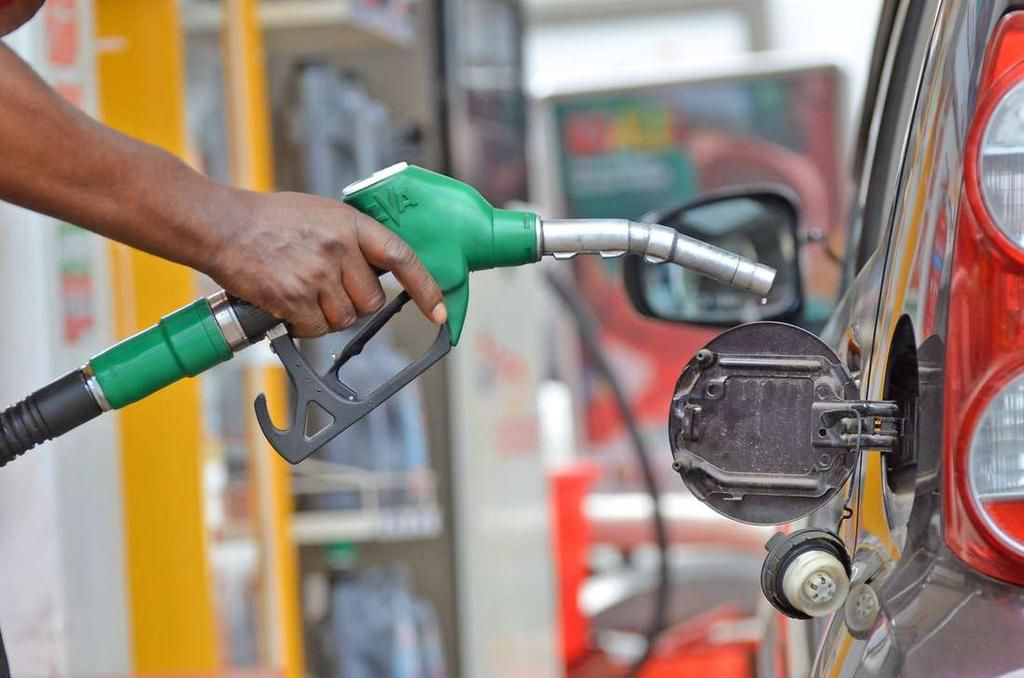
Kenyan motorists and households are facing a challenging month ahead following the latest price review by the Energy and Petroleum Regulatory Authority (EPRA). In the announcement released for the April 15 to May 14, 2026 cycle, EPRA confirmed a significant upward revision in the maximum pump prices for Super Petrol and Diesel, driven by a global surge in landed costs and geopolitical tensions affecting supply routes.
While the government has introduced tax cushions to prevent even steeper hikes, the reality at the pump is a record-breaking shift. For those looking for the latest automotive news, driving tips, and travel guides tailored for Kenyan drivers, automag.co.ke remains your primary source for navigating these changing times.
The Breakdown: Record Highs for Diesel and Petrol
The new prices, which took effect at midnight on April 15, reflect a “supply shock” in the international market. In Nairobi, Super Petrol has increased by Ksh 28.69 per litre, bringing the retail price to Ksh 206.97. Diesel, which is the backbone of Kenya’s transport and manufacturing sectors, saw an even steeper jump of Ksh 40.30 per litre, hitting a historic high of Ksh 206.84.
One small silver lining in the review was the decision to keep Kerosene prices unchanged at Ksh 152.78 per litre, offering some relief to low-income households that rely on the fuel for lighting and cooking.
- Nairobi: Petrol Ksh 206.97 | Diesel Ksh 206.84
- Mombasa: Petrol Ksh 203.69 | Diesel Ksh 203.56
- Kisumu/Nakuru: Petrol Ksh 206.96 | Diesel Ksh 206.83
To find second-hand cars suitable for these conditions—such as fuel-efficient hatchbacks like the Toyota Vitz or Mazda Demio that help mitigate high running costs—check out auto24.co.ke. Browsing the local inventory can help you find a vehicle that balances performance with better mileage.
Why are Prices Rising?
EPRA cited a massive increase in the average landed cost of imported refined petroleum products. Between March and April, the cost of importing Diesel rose by nearly 69%, while Petrol increased by over 41%. These jumps are largely attributed to the closure of key shipping routes in the Middle East, specifically around the Strait of Hormuz.
To protect consumers from the full weight of these costs, the government reduced the VAT on petroleum products from 16% to 13% and deployed funds from the Petroleum Development Levy. Without these interventions, Diesel could have easily crossed the Ksh 230 mark.
For drivers looking to explore sustainable mobility and bypass the volatility of the petrol station entirely, EV24.africa offers import options for electric cars, expanding choices in the growing Kenyan e-mobility market.
Actionable Car Care Tips to Save Fuel
With fuel prices at an all-time high, how you maintain and drive your car directly affects your wallet. Here are some technically accurate tips to improve your fuel economy:
- Monitor Tire Pressure: Under-inflated tires increase “rolling resistance,” forcing your engine to work harder and consume up to 3% more fuel. Check your pressure weekly according to the manufacturer’s PSI.
- Clean Air Filters: A clogged air filter restricts the air reaching your engine, causing an “over-rich” fuel-to-air ratio. Ensuring your filters are clean can improve efficiency by as much as 10%.
- Smooth Acceleration: Avoid “jackrabbit” starts. Accelerating gently and maintaining a steady speed allows your engine’s Electronic Control Unit (ECU) to optimize fuel injection for maximum economy.
For more detailed driving tips and car reviews that focus on efficiency, visit autoskenya.com.
Planning Ahead
As we look toward the May-June cycle, the trend of global oil prices remains unpredictable. It is a critical time for Kenyan car owners to prioritize maintenance and perhaps reconsider their vehicle choices for the long term.
You can read more here to stay updated on how these price changes are affecting transport fares across the country, or discover additional tips on how to choose the most fuel-efficient vehicles currently available in the Kenyan market.