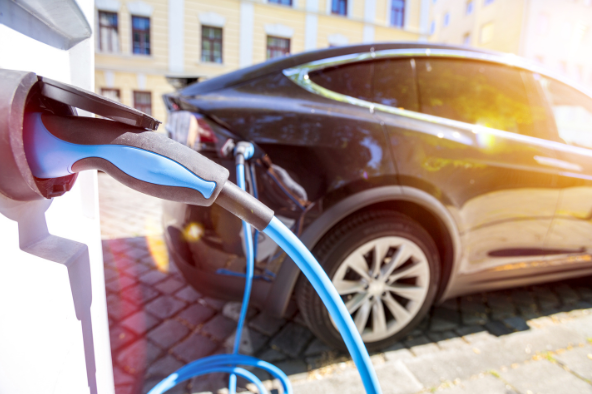
Kenya is currently at the center of a green mobility explosion. If you have been driving through the streets of Nairobi recently, you might have noticed more “green-plated” vehicles and silent buses gliding through traffic. According to recent data from the Energy and Petroleum Regulatory Authority (EPRA), Kenya has experienced a staggering 300% surge in EV power consumption over the past year.
This isn’t just a trend; it is a full-scale shift in how we move. With local innovators like Roam expanding charging infrastructure and MojaEV bringing high-tech models like the NETA V to our roads, the era of the electric car in Kenya has officially arrived. For more updates on the latest automotive news and travel guides, you can always visit automag.co.ke.
Roam’s “Roam Point”: Solving the Charging Puzzle
One of the biggest hurdles for EV adoption has always been “range anxiety”—the fear of running out of power with nowhere to plug in. Roam is tackling this head-on with the launch of “Roam Point,” a network of universal fast-charging stations.
These stations are designed to be “interoperable,” meaning they aren’t just for one brand. They use Type 6 connectors that can power up electric motorcycles, tuk-tuks, and even small passenger cars.
- Speed: Some of these chargers can add 10–20 km of range in under five minutes.
- Accessibility: By 2026, Roam plans to have these points scattered across the country, making long-distance EV travel a reality.
Whether you are looking for a brand-new electric bike or want to find second-hand cars suitable for these evolving road conditions, you can check out auto24.co.ke to see what’s available in the local market.
MojaEV and the NETA V: Tech Meets Affordability

While two-wheelers have led the charge, the passenger car segment is catching up fast. MojaEV recently introduced the NETA V to the Kenyan market, and it is turning heads for all the right reasons.
The NETA V is a compact SUV tailored for the urban commuter. It boasts a range of approximately 380–400 km on a single charge. For the average Nairobi driver, that is nearly a week of commuting without needing a plug!
- Smart Tech: It features a massive 14.6-inch touchscreen and a “Vehicle-to-Load” (V2L) function, which actually allows the car to power external devices—perfect for a weekend camping trip or an emergency power backup.
- Cost Savings: While the upfront cost is around Ksh 4.5 million, the operational savings are massive. Maintenance is minimal compared to internal combustion engines (ICE), and charging during off-peak hours (thanks to the e-mobility tariff) is significantly cheaper than petrol.
For drivers looking to explore sustainable mobility beyond local stock, EV24.africa offers import options for electric cars, expanding choices in the growing Kenyan market.
Practical EV Care Tips for Kenyan Drivers
Switching to an EV requires a small shift in how you maintain your vehicle. To keep your electric car running efficiently on Kenyan roads, follow these technical yet simple tips:
- Battery Health: Avoid letting your battery drop below 20% or consistently charging it to 100%. The “sweet spot” for lithium-ion longevity is usually between 20% and 80%.
- Tire Maintenance: EVs are often heavier than petrol cars due to the battery packs. Check your tire pressure frequently to ensure you aren’t losing range due to rolling resistance.
- Software Updates: Much like your smartphone, cars like the NETA V receive “Over-the-Air” (OTA) updates. Keep your system updated to ensure the best battery management and safety features.
For more detailed car reviews and driving tips tailored for Kenyan enthusiasts, check out autoskenya.com.
Why the Surge is Happening Now
The 300% jump in consumption isn’t accidental. The Kenyan government has halved excise duties on electric cars (from 20% to 10%) and exempted them from VAT. Combined with the rising cost of fuel, the “math” of owning an EV finally makes sense for many Kenyans.
As we move toward 2026, the infrastructure will only get better. With more players entering the market, we are seeing a future where “filling up” happens at a plug, not a pump. If you want to dive deeper into how the industry is changing, you can read more here or discover additional tips on modern vehicle ownership.