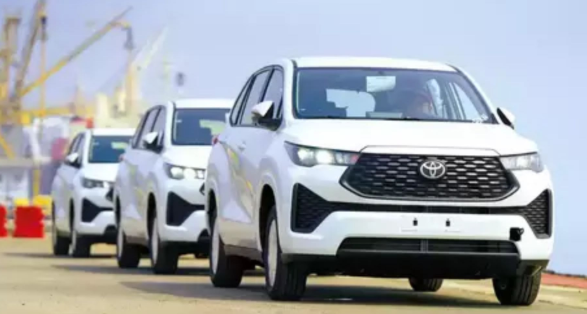
If you have been planning to upgrade your ride this year, you might have noticed a sudden and sharp spike in price tags at local yards. Car importers and dealers in Kenya are raising the alarm over a new shift in Kenya Revenue Authority (KRA) clearance procedures. Reports indicate that recent physical inspection policies have effectively increased duty charges by over 80% for some models, leaving buyers and importers in a financial bind.
Navigating these changes requires a deep understanding of current regulations. For the latest automotive news, car reviews, and travel guides tailored for Kenyan drivers, automag.co.ke remains your go-to resource.
From CRSP to Physical Inspection: What Changed?
For years, the KRA primarily used the Current Retail Selling Price (CRSP)—a standardized list—to determine the value of a vehicle for tax purposes. However, importers report a move toward more aggressive physical, on-site inspections and a shift in how invoices are scrutinized at the Port of Mombasa.
This move has introduced significant inconsistencies. When customs officials assign higher values based on their physical appraisal rather than the expected book value, the cascading effect of Kenyan taxes (where VAT and Excise Duty are calculated on top of the Import Duty) causes the total cost to balloon. In some cases, a car that would have attracted Ksh 800,000 in duty is now being slapped with bills exceeding Ksh 1.4 million.
The Compounding Effect on Local Prices
The impact of these tax hikes is felt most by the end consumer. As import costs rise, dealers are forced to adjust their sticker prices to remain profitable.
To find second-hand cars suitable for these conditions, check out auto24.co.ke. On their local site, you can find popular, tax-efficient models like the Toyota Vitz, Mazda Demio, or even the Nissan Note e-Power. Buying locally from verified platforms can often save you from the unpredictable “customs surprises” that come with solo importation in the current climate.
Sustainable Alternatives: The Rise of Electric Imports
As the cost of importing traditional petrol and diesel vehicles climbs, many Kenyans are looking toward greener—and more tax-friendly—alternatives. The government has maintained lower excise duty rates for electric vehicles (EVs) to encourage sustainable mobility.
For drivers looking to explore sustainable mobility, EV24.africa offers import options for electric cars, expanding choices in a market where traditional internal combustion engines are becoming increasingly expensive to bring into the country.
Practical Car Care Tips to Protect Your Investment
With car prices at an all-time high, maintaining the vehicle you already own (or the one you just bought) is more critical than ever. Follow these tips to ensure your car retains its value:
- Protect the Undercarriage: Kenyan roads can be harsh. Regular under-wash services prevent mud and salt from causing rust on the chassis, which is a major factor during KRA re-valuation or resale.
- Use Genuine Filters: To keep your engine running efficiently and avoid costly repairs, always insist on genuine oil and air filters. Technical accuracy in maintenance ensures your car passes NTSA inspections without a hitch.
- Monitor Fluid Levels: Check your coolant and brake fluids weekly. In our tropical climate, heat can degrade these fluids faster, leading to engine overheating.
For more professional advice on maintaining your vehicle, visit autoskenya.com, where you can find comprehensive driving tips and car reviews.
Navigating the New Reality
The 2026 import landscape is defined by the “8-year rule,” meaning only vehicles manufactured from 2019 onwards are eligible for entry. This restriction, combined with the new KRA valuation triggers, means that thorough research is non-negotiable.
Before you commit to an import, it is wise to read more here about the latest tax bracket changes or discover additional tips on how to source vehicles from compliant markets like Japan or the UK.