The streets of Nairobi, Mombasa, and Kisumu have not seen this kind of rage in years. Following the Energy and Petroleum Regulatory Authority’s (EPRA) announcement of record fuel prices for the May/June 2026 cycle, Kenya has been rocked by widespread protests, a total matatu shutdown, and a rising cost of living that is squeezing every household — especially those who own or depend on motor vehicles. Whether you drive a personal car, rely on public transport, or run a logistics business, these fuel prices affect you directly.
Here is everything you need to know about what is happening, why it matters to Kenyan drivers, and what you can do to manage the impact.
What EPRA Announced — and Why Kenyans Are Furious
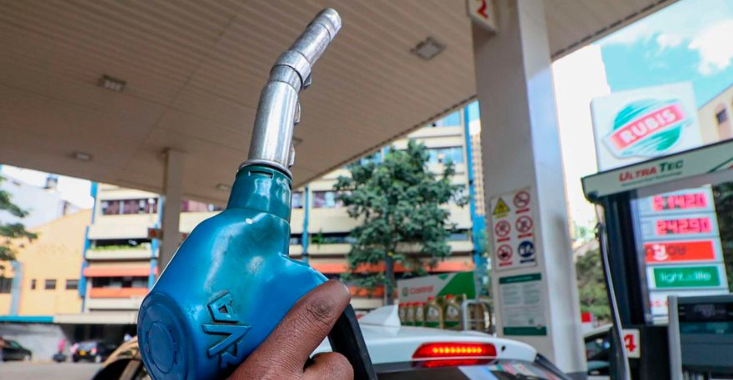
EPRA set the price of Super Petrol at Ksh. 214.25 per litre and Diesel at a staggering Ksh. 242.92 per litre in Nairobi for the May/June 2026 cycle. These are the highest fuel prices ever recorded in the country’s history.
On May 19, the regulator issued a minor “correction,” trimming Diesel by roughly Ksh. 10. But far from cooling tensions, the move was dismissed by protesters and transport unions alike as a cosmetic gesture — a small reduction that does nothing to address the deep economic pain already spreading through the economy.
EPRA attributed the surge to extreme volatility in global energy markets, citing supply chain disruptions in the Middle East. Critics, however, argue that the heavy tax burden embedded in Kenyan fuel prices is the real culprit, and the Law Society of Kenya (LSK) has already filed a constitutional challenge in court, arguing that the pricing regime violates the economic rights of ordinary Kenyans.
Protests, Strikes, and a Nation Brought to a Standstill
The backlash was immediate and ferocious. The Transport Sector Alliance (TSA) declared a nationwide “stay-away” strike, bringing the entire matatu network to a halt. Across Nairobi, Mombasa, and Kisumu, commuters were left stranded — walking for hours to reach work while businesses remained shuttered out of fear.
Protesters blocked major highways with burning tyres and boulders. Riot police responded with tear gas and water cannons near Government Square. Dozens were arrested, and several people were injured in the clashes.
“When fuel goes up, the price of unga, electricity, and transport follows. The government is disconnected from the reality of the common man,” one protest leader told reporters in Nairobi.
Transport unions have since agreed to a week-long truce to allow for negotiations with the Ministry of Energy — but they have made it crystal clear: if prices are not significantly rolled back, an indefinite shutdown will follow.
How High Fuel Prices Hit Car Owners the Hardest
For private vehicle owners, the impact of the EPRA hike is felt every single time you stop at a fuel station. Here is a simple breakdown:
- A 45-litre fill-up of Super Petrol now costs approximately Ksh. 9,641 — up from around Ksh. 7,500 just two years ago.
- Diesel-powered vehicles (pickups, SUVs, trucks, and most commercial vans) are even more affected, with the Ksh. 242 per litre rate eating deeply into operational costs.
- Matatu and boda boda operators who had already been absorbing rising costs are now passing the burden directly to passengers through fare hikes, where services are even available.
- Food and goods delivery costs have spiked in tandem, meaning even non-drivers feel the ripple effect at the supermarket.
For businesses running fleets — delivery services, tour operators, logistics companies — the numbers are becoming unmanageable.
Practical Ways to Reduce Fuel Consumption in Your Car
While the political fight plays out in the courts and on the streets, there are things you can do right now to stretch every litre further. These tips are especially critical for Kenyan roads and driving conditions.
1. Switch to Defensive and Smooth Driving
Aggressive acceleration and hard braking are the single biggest killers of fuel efficiency. Keeping a steady speed, anticipating traffic flow, and coasting gently to stops can reduce consumption by 15–20%. On highways like the Nairobi–Mombasa road, maintaining a cruise speed of 90–100 km/h is far more efficient than bursts of 120 km/h.
2. Keep Your Tyres Properly Inflated
Underinflated tyres create more rolling resistance, forcing the engine to work harder. Check your tyre pressure weekly — especially given Kenya’s varied road surfaces. Most passenger cars run optimally between 30–35 PSI. Your owner’s manual or the sticker on the driver’s door jamb has the exact figure.
3. Service Your Engine Regularly
A dirty air filter, worn spark plugs, or degraded engine oil all reduce combustion efficiency and burn more fuel. Given the current fuel prices, the cost of a service is now clearly worth it. For the most reliable mechanics in your area, AutoMag.co.ke regularly features guides on finding trusted service centers across Kenya.
4. Reduce Unnecessary Idling
Sitting in traffic with the engine running is expensive. Where safe to do so, switch off the engine during extended stops — especially outside school gates or at road barriers. Modern fuel-injected engines use very little fuel on restart.
5. Remove Excess Weight and Roof Racks
Every extra kilogram your car carries increases the fuel needed to move it. Remove roof racks, spare luggage, and any dead weight from the boot when not needed. Aerodynamic drag from a rooftop carrier at highway speeds can increase fuel use by up to 25%.
6. Use the Right Engine Oil
Using a thicker oil grade than your engine requires creates unnecessary friction. Always use the manufacturer-recommended viscosity — for most modern Japanese imports common in Kenya, this is typically 5W-30 or 10W-40. AutosKenya.com has excellent guides on maintenance best practices for popular Kenyan car models.
Should You Consider a More Fuel-Efficient Car?
For many Kenyans, the fuel crisis has accelerated a conversation that was already happening: is it time to upgrade to a more fuel-efficient vehicle?
If you are currently driving an older, high-displacement engine — say, a 3.0L diesel SUV or a 2.5L petrol saloon from the early 2000s — the difference in running costs compared to a modern 1.5L or 1.8L engine can be enormous. Fuel consumption figures for older models often hit 12–15 litres per 100km, versus 7–9 litres for modern equivalents.
For buyers in the market, auto24.co.ke lists a wide range of quality second-hand cars suited to Kenyan conditions. Options currently available on the platform include fuel-efficient hatchbacks and compact SUVs — models like the Toyota Aqua, Honda Fit, and Mazda Demio that are popular across Nairobi and beyond. If fuel economy is now your top priority (and given current prices, it absolutely should be), filtering by engine size and consumption figures on a site like auto24.co.ke is a smart first step.
The Quiet Revolution: Electric Vehicles as a Long-Term Answer
It is impossible to talk about fuel prices without acknowledging the elephant in the room — electric vehicles. With petrol now above Ksh. 214 per litre, the economics of switching to an EV have never been more compelling.
Charging an electric car in Kenya — using off-peak electricity — costs a fraction of what petrol or diesel does per kilometre. Kenyans in cities with access to reliable grid power are increasingly looking at EVs not as a luxury, but as a practical financial decision.
For drivers looking to explore sustainable mobility, EV24.africa offers electric car import options, expanding choices for Kenyan consumers who want to break free from the fuel price cycle entirely. From compact city EVs to larger crossovers, EV24.africa provides guidance on models available for importation, import duties, and what to expect in terms of running costs — well worth a look as you plan your next vehicle purchase.
What the Law Society’s Court Challenge Could Mean
The LSK’s constitutional petition is potentially significant. It argues that the tax component embedded in EPRA’s fuel pricing — including road levies, petroleum development levies, and import duties — creates a burden that is both disproportionate and economically punitive for ordinary citizens.
If the courts grant interim orders suspending the new prices while the case is heard, Kenyans could see a short-term reprieve. However, legal experts caution that fuel pricing disputes have historically not moved quickly through the Kenyan courts, and the government has robust legal defences prepared around sovereign revenue authority.
For now, the most likely short-term scenario is a negotiated reduction through the Ministry of Energy’s talks with transport unions — though the scale of any rollback remains uncertain.
Key Takeaways for Kenyan Drivers
Here is a quick summary of what matters most if you own or operate a vehicle in Kenya right now:
- Fuel prices are at historic highs — Super Petrol at Ksh. 214.25 and Diesel at Ksh. 242.92 in Nairobi.
- Adopt fuel-saving habits immediately — smooth driving, correct tyre pressure, and regular maintenance make a measurable difference.
- Consider upgrading to a fuel-efficient vehicle — check listings on auto24.co.ke for well-priced second-hand options.
- Watch the TSA negotiations closely — a failure in talks could trigger an indefinite transport shutdown that affects everyone.
- Long-term, explore EVs — EV24.africa is a solid resource for understanding your electric vehicle import options in Kenya.
- Stay informed — AutoMag.co.ke and AutosKenya.com provide ongoing coverage of fuel price developments, car ownership tips, and automotive news tailored for the Kenyan market.
For more tips on managing your car in tough economic times, explore AutoMag’s full tips section here.
The situation is developing. Prices and political outcomes may change as negotiations between the government and transport unions continue. Stay updated through trusted automotive and news platforms.