From locally assembled EVs at Ksh 1.3M to premium Teslas, here are the best electric cars in Kenya in 2026 — and what each will actually cost you.
Best Electric Cars Available in Kenya in 2026
Kenya’s EV market has quietly become one of the most interesting car stories in the country right now — and the best electric cars in Kenya in 2026 span a much wider range than most drivers realise, from Ksh 1.3 million locally assembled runabouts to Tesla’s flagship SUVs. With over 24,754 EVs registered as of February 2026, a 47% jump in just 18 months, this isn’t a niche experiment anymore. Here’s what’s actually on the market, and what each option will cost you.
Why EVs Are Having a Moment in Kenya Right Now
The momentum isn’t really coming from private cars — it’s coming from two wheels. Petrol boda boda riders typically spend Ksh 500–700 a day on fuel, while electric riders using battery-swapping networks like Spiro Kenya spend closer to Ksh 200–290 a day. That gap is what’s driven Kenya’s EV count from roughly 1,378 in 2022 to well over 39,000 by 2025.
Government policy has followed the momentum. February 2026 brought the launch of the National E-Mobility Policy, complete with green reflective number plates for fully electric vehicles — a visible signal of the push toward cleaner transport. But there’s real tension underneath the good news: the 2026 Finance Bill has proposed rolling back some of the VAT zero-rating that made EVs and EV components cheaper barely a year after it was introduced. If you’re shopping for an electric car, it’s worth factoring that uncertainty into your timing.
Budget Electric Cars in Kenya (Under Ksh 2 Million)
If price is your main concern, locally assembled options lead the pack. TAD Motors offers EVs starting from KES 1.3 million, while Autopax’s AirEV YETU starts at around KES 1.7 million — genuinely accessible entry points into EV ownership, built with Kenyan roads and budgets in mind.
Compact options like the Toyota C+Pod and C+Walk sit in the KES 2–3 million range, ideal for city use, while the Mitsubishi Minicab MiEV van suits small urban businesses needing cargo space with low running costs. The Dongfeng EX1 Nano Box and Nammi 01 are also worth cross-shopping in this bracket for affordable hatchback practicality.
Mid-Range Picks: BYD, Nissan and Hyundai
This is where most Kenyan EV buyers are actually landing. The BYD Dolphin runs KES 2.4–3.0 million and offers solid range and modern tech for the money, while the Hyundai Kona Electric sits at KES 2.7–3.8 million with SUV practicality and a long battery warranty — a good pick for families or longer commutes. The Nissan Leaf remains the go-to budget-friendly option, available new or used, though if you’re buying used, it’s worth asking for a State of Health (SoH) battery report before committing.
BYD’s Atto 3 is the mid-size SUV option built for families, while the Neta V rounds out the mid-range at around KES 4.6 million. BYD has genuinely made a dent in the Kenyan market since it arrived — for buyers, the choice usually comes down to buying local via an official dealer or importing directly, since direct import can shave roughly Ksh 1.3–2.0 million off the acquisition cost compared to buying locally, at the trade-off of losing official warranty and after-sales support.
Premium Territory: Tesla and BYD’s Top Trims
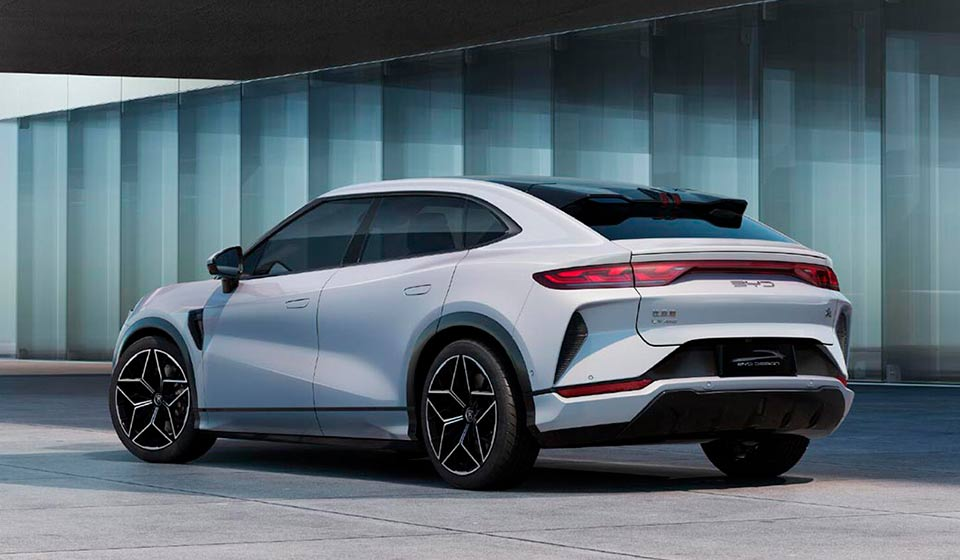
For buyers who want performance and prestige, Tesla’s Model 3 and Model Y remain the popular premium choices, typically sourced through import specialists like EV24.africa — a solid resource if you want to explore sustainable, EV-specific import options rather than going the general used-car route. BYD’s higher trims, including the Seal and the luxury Sealion 7 Excellence, sit at the top of the local EV lineup with features like all-wheel drive and panoramic sunroofs.
What to Check Before You Buy
Whichever tier you’re shopping in, remember Kenya’s 8-year import age rule still applies to used EVs coming through Mombasa, so verify the registration year before you commit to anything second-hand. It’s also worth cross-checking current stock and pricing on auto24.co.ke, which regularly lists second-hand EVs and hybrids alongside conventional options, and autoskenya.com is another good place to track EV pricing news as the Finance Bill situation develops.
Kenya’s EV market is moving fast enough that prices and incentives you see today could shift within months — so if you’re serious about buying, do your homework close to purchase time, not months in advance.