The VW Arteon looks like an Audi and drives like one too. Here’s our verdict on pricing, reliability, and ownership for Kenyan buyers.
VW Arteon Review Kenya: Price, Verdict & What to Watch For
Verdict: The Volkswagen Arteon is one of the best-looking sedans money can buy in Kenya right now, delivering genuine Audi A5 presence at a noticeably lower price. It’s quick, composed on the highway, and loaded with tech most rivals reserve for pricier trims — but a known cooling-system weak point and Nairobi’s patchy VW parts network mean it rewards careful buyers more than casual ones.
What we like: Head-turning fastback styling, strong 280 hp 4MOTION performance, genuinely upmarket cabin.
What gives us pause: A documented plastic water pump/thermostat housing that tends to crack around the 80,000 km mark, and specialist parts that can mean a wait outside Nairobi.
What’s Under the Bonnet?
The Arteon runs a 2.0-litre turbocharged TSI four-cylinder, most commonly seen in Kenya in the R-Line 4MOTION configuration producing around 280 hp, paired with a dual-clutch automatic and standard all-wheel drive on higher grades. That’s enough for a 0–100 km/h sprint in roughly 5.6 seconds — properly quick for an executive four-door — and the all-wheel-drive system means it stays composed on the Nairobi–Naivasha–Nakuru stretch or a wet Mombasa Road commute in ways a front-wheel-drive rival simply can’t match.
Living With the Fastback Look
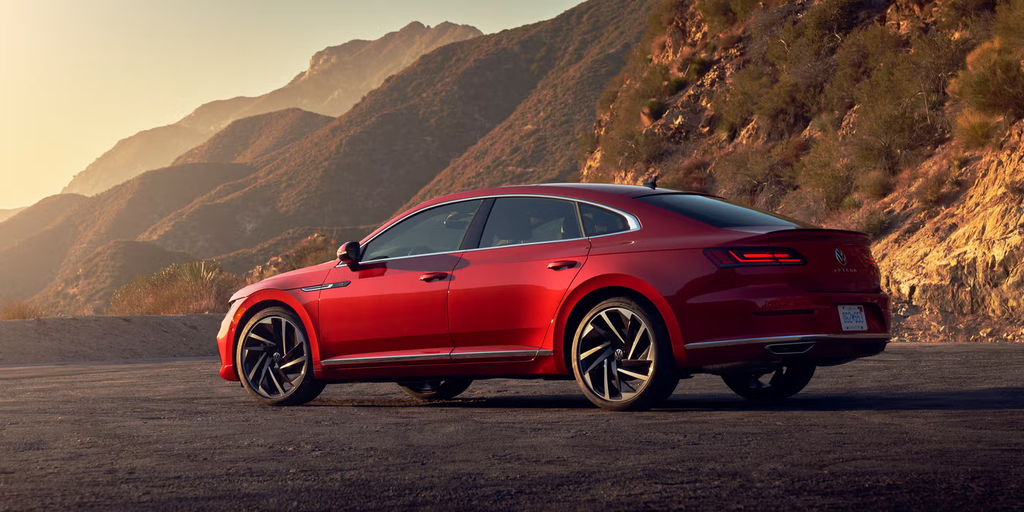
The Arteon’s defining trait is its silhouette — a sweeping coupe-like roofline over four practical doors, which is what draws comparisons to the Audi A5 Sportback everywhere it goes. Inside, the cabin punches well above its badge: available Nappa leather, ambient lighting, and VW’s Digital Cockpit Pro instrument display all feel closer to premium German rivals than to a standard Passat. Rear headroom does take a hit from that sloping roofline, so taller rear passengers will notice it on longer trips, but front space and the boot are genuinely generous for family or business use.
What It Costs in Kenya
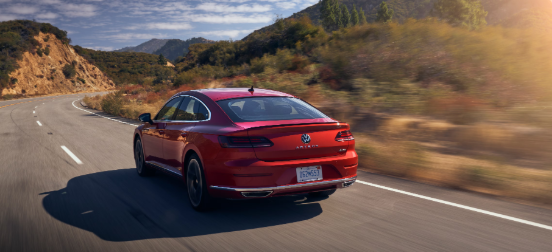
Foreign-used Arteons currently trade in the Ksh 3.2 million to Ksh 4.5 million range depending on year, mileage, and trim, with well-specced R-Line 4MOTION examples sitting toward the top of that band. Since Kenya’s stricter 8-year import age rule took effect in January 2026, only RHD units first registered 2019 or later can clear customs at Mombasa — which effectively narrows the pool of legally importable Arteons to the newer, pricier end of what’s out there.
Ownership Reality: What to Check Before Buying
The one recurring issue worth knowing about is the 2.0 TSI’s plastic water pump and thermostat housing, which has a documented tendency to crack once a car crosses roughly 80,000 km — worth having inspected before you buy, since a failure here means coolant loss and potential overheating. Beyond that, the engine itself has a solid reliability reputation when serviced on schedule. The catch is parts availability: routine service items are reasonably priced and accessible through VW’s dealer network, but Digital Cockpit Pro displays, premium trim pieces, and fastback-specific body panels can mean longer lead times outside the capital.
How It Stacks Up
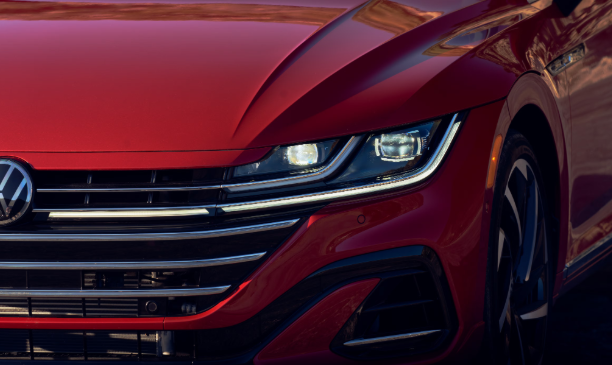
Against the Audi A5 Sportback, BMW 4 Series Gran Coupe, and Mercedes-CLA, the Arteon undercuts all three on price while matching much of their presence and tech — the trade-off being a step down in brand cachet and resale value.
For more Kenyan car reviews and buying guides, automag.co.ke is worth browsing regularly. If the Arteon has you shopping around, auto24.co.ke carries a solid range of executive second-hand options to compare against it, and AutosKenya.com is another good place to check current listings and pricing. If long-term running costs are on your mind, it’s also worth a glance at EV24.africa to see where Kenya’s electric alternatives now stand.
Have you owned or test-driven an Arteon in Kenya? Let us know how the water pump issue played out for you.