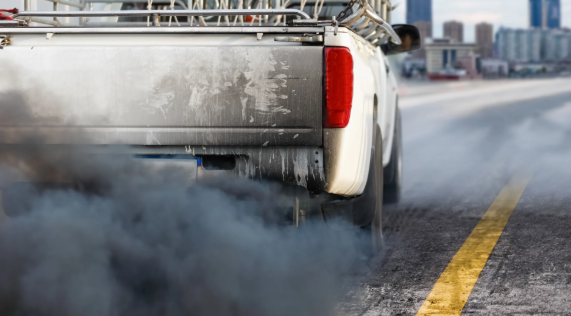
Is your Isuzu D-Max or Toyota Hilux stuck in limp mode? Discover why your diesel pickup’s DPF keeps clogging on Kenyan roads and learn the best fixes.
Why Your Diesel Pickup’s DPF Keeps Clogging (And What to Actually Do About It)
If you drive a modern turbo-diesel workhorse in Kenya, you have likely encountered a sudden dashboard warning light followed by a frustrating loss of engine power known as “limp mode.” This disruptive mechanical issue is caused by a blocked Diesel Particulate Filter (DPF), a specialized component integrated into modern exhaust lines to trap toxic soot. Since September 2026, independent garage owners across Nairobi and Mombasa have reported an unprecedented spike in exhaust-related failures affecting light commercial vehicles. Learning exactly why your diesel pickup’s DPF keeps clogging (and what to actually do about it) has become an absolute necessity for protecting your engine and avoiding devastating repair bills.
Navigating this technical hurdle requires a clear understanding of how local driving environments interact with modern emission-control engineering.
The Best Strategies for Resolving DPF Soot Accumulation
When your exhaust registry spikes, choosing the right intervention method prevents internal thermal melting. Here is a scannable overview of the best resolution paths ranked by mechanical effectiveness.
| DPF Blockage Level | Dashboard Sign | The Best Mechanical Action | Estimated Local Cost (KES) |
| Low (Soot < 40%) | DPF Indicator Light | Passive Regeneration: Drive at steady highway speeds (above 60 km/h) for 30 minutes. | Ksh 0 (Just fuel) |
| Medium (Soot 40% – 70%) | DPF Light + Check Engine | Forced Regeneration: Hook up a commercial diagnostic scanner to trigger a static burn. | Ksh 3,500 – Ksh 6,000 |
| Severe (Soot > 70%) | Limp Mode Activated | Chemical Off-Car Flush: Remove the assembly for a professional ultrasonic chemical bath. | Ksh 25,000 – Ksh 40,000 |
Why Kenyan Driving Conditions Punish Modern Exhaust Systems
Modern diesel pickups are engineered to self-clean through a process called regeneration, where the exhaust reaches extremely high temperatures to burn off accumulated soot. However, Kenya’s unique driving realities actively prevent this system from working correctly:
- Severe Nairobi Traffic Congestion: Spending hours idling or crawling in bumper-to-bumper traffic along Mombasa Road or the Thika Superhighway means your exhaust never gets hot enough to burn away the soot.
- Low-Quality, High-Sulphur Fuel: While major distributors try to source clean fuel, some independent stations upcountry still stock older diesel blends with high sulphur content, which dramatically accelerates soot production.
Maintaining your current pickup has become more critical than ever due to shifting market dynamics. Since January 1, 2026, Kenya has strictly enforced an 8-year age limit on used vehicle imports under the KEBS standard KS 1515:2000. Under this rule, only right-hand-drive vehicles first registered in 2019 or later can clear customs at the Mombasa Port.
This strict age limit has pushed up the price floor for a dependable imported used vehicle. An entry-level reliable hatchback like a Toyota Vitz now costs closer to Ksh 500,000–700,000, while a 2019+ diesel pickup easily commands several million shillings. Because replacing a commercial vehicle requires immense capital, fleet owners are keeping their existing workhorses longer. If you are looking to purchase a fresher, compliant pickup, you can browse certified local listings on Auto24 Kenya. However, if you are looking after your current machine, understanding proper maintenance is your most cost-effective path.
Step-by-Step Guide to Clearing and Preventing DPF Clogs
If your dashboard warning light starts flashing, follow this precise sequence to resolve the issue before your exhaust system suffers permanent structural damage.
1. Execute a Passive Highway Run
The moment the DPF light illuminates, do not turn off your engine. Instead, head toward a relatively clear bypass (such as the Southern or Eastern Bypass). Maintain a steady speed above 60 km/h while keeping your engine revs between 2,000 and 2,500 RPM for at least 25 to 30 minutes. This forces the exhaust temperature to rise to around 600°C, naturally incinerating the trapped soot particles.
2. Switch to Low-SAPS Engine Oils
Many vehicle owners unwittingly ruin their filters during routine oil changes by using cheap, generic lubricants. Modern DPF-equipped pickups require specialized low-SAPS (Sulphated Ash, Phosphorus, and Sulphur) engine oils. High-ash oils burn off and create a permanent, glassy metallic glaze inside the filter element that cannot be cleared by regeneration.
To read comprehensive reviews on the best oil brands available in Nairobi, or to check out independent garage ratings for handling complex exhaust diagnostics, explore the expert automotive resources on Autos Kenya.
Green Mobility: The Shift in Commercial Transport
While heavy, long-haul commercial pickups are still powered entirely by combustion engines, the broader transport sector is experiencing a massive sustainable mobility transformation. Driven by the National E-Mobility Policy launched in February 2026, fully electric vehicles (EVs) are growing rapidly across Kenya, easily distinguished on our highways by their green reflective number plates (and registered under the modern ‘KE’ generation series like KEA).
The financial momentum behind this clean energy shift is incredibly clear in the logistics sector: a standard petrol delivery rider spends roughly Ksh 500–700 per day on fuel, whereas an electric motorcycle rider pays just Ksh 200–290 per day for smart battery swaps.
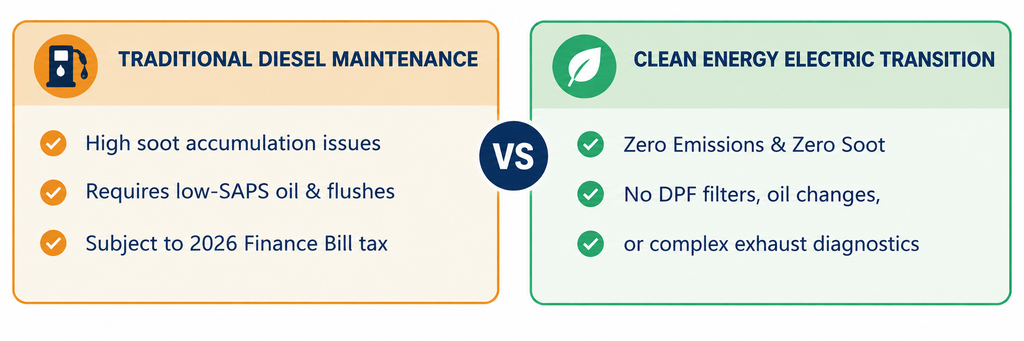
While fully electric heavy utility pickups aren’t mainstream yet, the 2026 Finance Bill has proposed rolling back some early EV tax incentives, creating a temporary layer of uncertainty for corporate fleet buyers. As a result, maintaining your current diesel exhaust system with high-quality fluids remains the most practical immediate choice. For business operators looking to future-proof their logistics operations or explore emerging commercial EV leasing options, platforms like EV24.africa offer excellent industry guidance.
Answering Your Follow-Up: Is a DPF Delete Legal in Kenya?
The most common follow-up question local mechanics receive from frustrated pickup owners is: “Can I just cut out or delete the DPF permanently?” While many back-street shops offer this service by rewriting your engine control unit (ECU) software, we strongly advise against it.
NTSA and the National Environment Management Authority (NEMA) are actively clamping down on excessive smoky emissions during routine vehicle inspections. A vehicle with a deleted DPF will fail opacity tests instantly. Furthermore, deleting the filter alters exhaust backpressure, which can cause your turbocharger seals to wear out prematurely and lead to even costlier engine repairs.
For the latest updates on local traffic laws, expert maintenance deep-dives, or inspiring guides on the best places to visit by car across Kenya, keep it locked to your premier hub at AutoMag Kenya. Use the right oil, take your pickup on regular highway runs, and keep your business moving smoothly!