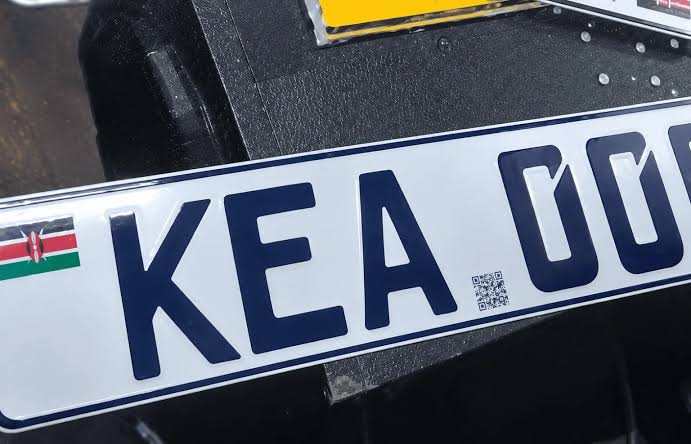
NTSA officially rolls out the highly anticipated ‘KE’ number plate generation series on Kenyan roads. Find out what this means for your vehicle registration.
NTSA Number Plates: The National Transport and Safety Authority Introduced New ‘KE’ Generation Plates
The National Transport and Safety Authority (NTSA) has officially begun issuing vehicle registration plates with the new ‘KE’ prefix, marking a significant milestone in Kenya’s automotive landscape. Motorists across the country have already started spotting the new ‘KEA’ series on our highways, sparking intense curiosity and a flurry of viral social media posts.
The sudden arrival of these plates comes right on the back of an unprecedented surge in automotive transactions across Kenya. According to official data released by the NTSA, a massive 207,259 new motor vehicles were registered between January and June 2026 alone. January hit the highest monthly milestone with 37,650 registrations, heavily driven by commercial transitions and a vibrant consumer market. This volume completely exhausted the previous ‘KD’ registration sequence, forcing a natural administrative progression into the highly anticipated ‘KE’ era.
What Do the New ‘KE’ Number Plates Mean for Motorists?
If your vehicle application is currently sitting in the pipeline, there is a very high chance your machine will be hitting the bypass with a brand-new KEA plate attached. But what exactly does this transition imply for everyday Kenyan drivers?
- Standard Progression, Not New Technology: An NTSA official clarified that the appearance of ‘KE’ plates does not mean a new registration format has been introduced. It is simply the next chronological block in Kenya’s historical registration sequence.
- Digital Integration & Security: The new plates remain part of the modern, second-generation high-security reflective plates launched to eliminate cloning loopholes used by fraudsters. They are linked directly to your vehicle’s chassis number.
- Can You Reserve a Specific Combination? With the debut of the series, many car enthusiasts are racing to book highly sought-after, meaningful combinations like KEG or KES. NTSA permits the selection of preferred, personalized sequences at an premium cost, usually around Ksh 30,000.
Whether you are looking to purchase a newly registered local assembly car or hunting for a clean second-hand vehicle, keeping track of these sequential changes helps you verify a vehicle’s registration timeline. If you want to explore available second-hand options suited for the current Kenyan market, you can check out what’s listed on Auto24 Kenya.
The New Plates and Kenya’s Evolving Car Market
The introduction of the ‘KE’ generation series arrives at a fascinating time for local drivers. Since January 1, 2026, Kenya has strictly enforced a tight 8-year age limit on all used vehicle imports under the KEBS standard KS 1515:2000. Only right-hand-drive vehicles first registered in 2019 or later are permitted to clear customs at the Mombasa Port.
This strict age cap has naturally driven up the price floor for dependable imported used cars. A clean entry-level model that used to cost roughly Ksh 350,000 a few years ago now commands closer to Ksh 500,000–700,000. Because of this, more Kenyans are keeping their current cars longer or opting for locally assembled new vehicles—all of which pass through NTSA’s digital registration queue. To read comprehensive consumer reviews and advice on navigating these price changes, you can read more on Autos Kenya.
Green Plates vs. The ‘KE’ Series: Understanding the Difference
It is easy to get confused with all the recent number plate updates hitting the news. In February 2026, Kenya launched its milestone National E-Mobility Policy. This introduced distinctive green reflective number plates specifically reserved for fully electric vehicles (EVs).
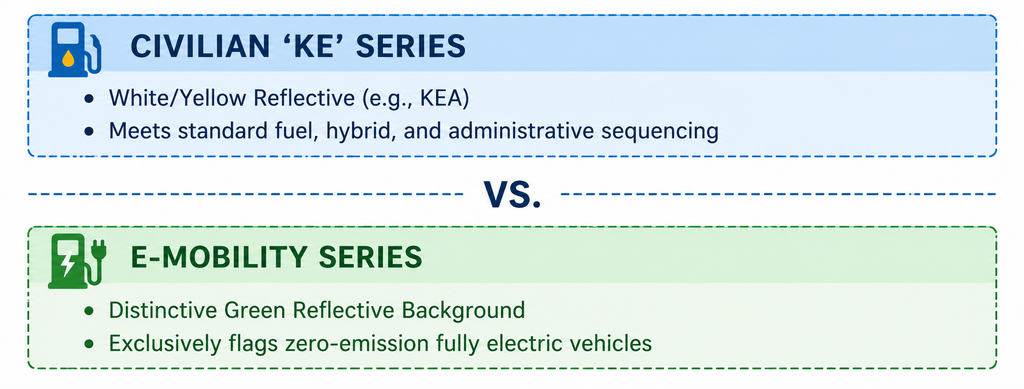
While the ‘KE’ series represents the normal sequence for civilian combustion and hybrid vehicles, fully electric cars receive the eco-friendly green plates to visibly flag zero-emission mobility. This massive clean energy momentum is heavily visible in the local logistics sector, where electric boda bodas are saving riders thousands of shillings in operational costs compared to costly petrol fuel.
However, there is live policy tension as the 2026 Finance Bill has proposed rolling back a few of the EV tax incentives that were introduced less than a year ago. For drivers looking to navigate this changing landscape and explore sustainable EV import options despite the evolving tax updates, platforms like EV24.africa offer great clarity.
How to Apply for Your New Generation Reflective Plates
If you are still driving around with the old, non-reflective plates, upgrading is mandatory to comply with modern traffic standards. [INTERNAL LINK: Read our step-by-step NTSA application guide here] to avoid penalty handovers. The process is fully integrated online:
- Log in to your eCitizen account and select the NTSA service portal.
- Select your vehicle, click on “Apply for reflective plates,” and state your reason.
- Upload a single combined PDF containing a clear scan of your original logbook and photos of your current front and rear plates.
- Pay the standard processing fee of Ksh 3,050 via mobile money.
For the absolute latest in Kenyan automotive trends, legal adjustments, and vehicle launch details, stay tuned to AutoMag Kenya. Drive safe, keep your eyes on the road, and look out for those new ‘KE’ plates!