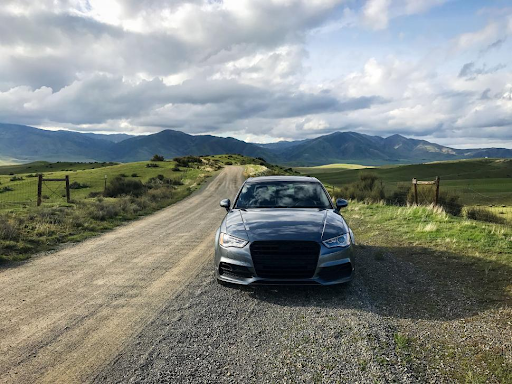
Kenya 4×4 Protection requires careful tyre checks, suspension maintenance, controlled driving, and regular inspections on rough rural roads.
Car Tips: How to Protect Your 4×4 From Damage on Kenya’s Rough Rural Roads
Kenya’s rural roads can present a very different driving environment from paved highways and urban streets. Loose gravel, potholes, corrugations, mud, stones, and uneven surfaces can place additional stress on a 4×4’s tyres, suspension, steering, and underbody.
For drivers who regularly travel outside major towns, Kenya 4×4 Protection starts with adapting driving habits to the terrain and maintaining the vehicle before small problems become expensive repairs.
Check the Tyres Before Rough-Road Trips
Tyres are one of the first components to suffer when a vehicle regularly travels over rocky or uneven surfaces. Before leaving, drivers should inspect tread depth, sidewalls and tyre pressure and make sure the spare tyre is ready for use.
Driving over sharp rocks or potholes at excessive speed can increase the risk of punctures and sidewall damage. The correct tyre pressure should always follow the vehicle manufacturer’s recommendations, with adjustments for specific conditions only where appropriate.
For Kenya 4×4 Protection, carrying a working jack, wheel-changing equipment and a suitable spare tyre is particularly important when travelling far from repair facilities.
Slow Down Over Potholes and Corrugations
Speed is one of the easiest factors for drivers to control on rough roads. Hitting potholes, drainage channels or large rocks at high speed can transfer significant force through the wheels and suspension.
Drivers should reduce speed before difficult sections and avoid sudden steering movements. Corrugated surfaces can also make a vehicle unstable, so maintaining a controlled pace is preferable to trying to drive through them aggressively.
Protect the Suspension and Steering
Repeated impacts can gradually affect shock absorbers, bushes, ball joints, steering components and wheel alignment.
After travelling on particularly rough roads, drivers should pay attention to new noises, steering vibration, uneven tyre wear or changes in handling. These can indicate that the vehicle needs inspection.
Kenya’s NTSA has emphasized roadworthiness and vehicle inspection as part of its wider road-safety responsibilities. Proposed motor-vehicle inspection rules also focus on roadworthiness and standardized inspection procedures.
Avoid Unnecessary Underbody Damage
Large rocks, deep ruts and uneven ground can expose the underbody to impacts. Drivers should choose their line carefully instead of simply following the tracks of another vehicle.
Where the vehicle is designed for it, appropriate underbody protection can help shield vulnerable components. However, drivers should not assume that having a 4×4 means every obstacle can be crossed safely.
For Kenya 4×4 Protection, knowing the vehicle’s ground clearance and approach, departure and breakover angles can help drivers make better decisions on difficult terrain.
Be Careful Around Mud and Water
Rain can quickly change the condition of rural roads. Mud can reduce traction, while standing water can hide potholes, rocks and deep ruts.
Drivers should slow down before entering unfamiliar water or mud and avoid taking unnecessary risks. After travelling through deep mud or water, checking the brakes, wheels and underbody can help identify problems early.
Carry Essential Recovery Equipment
Long rural journeys may take drivers far from garages and fuel stations. Depending on the route and vehicle, useful equipment can include recovery straps, a suitable jack, tyre-repair equipment, a compressor, a torch and basic emergency supplies.
Drivers should also tell someone their planned route when travelling through remote areas.
Maintain the 4×4 Regularly
Regular servicing becomes especially important when a vehicle spends significant time on rough surfaces. Oil, coolant, brakes, suspension, steering, tyres and wheel alignment should be checked according to the manufacturer’s maintenance schedule.
Kenya’s NTSA currently provides vehicle inspection and other motor-vehicle services through its online platform, while its proposed inspection framework includes specific attention to vehicle roadworthiness.
Drivers researching different 4×4 models and specifications for Kenya’s challenging roads can also explore AfriCarGroup Auto24 before choosing a vehicle suited to their travel needs.
Conclusion
Kenya 4×4 Protection depends on more than having four-wheel drive. Careful speed control, healthy tyres, good suspension, appropriate ground clearance and regular maintenance can all help reduce unnecessary damage on rough rural roads.
Drivers should treat difficult terrain with caution and inspect the vehicle after demanding trips, particularly when travelling through rocky, muddy or heavily corrugated sections.
Have you taken a 4×4 across Kenya’s rough rural roads? What causes the biggest problems for your vehicle: potholes, rocks, mud, corrugations or water crossings? Share your experience in the comments and tell us your best tip for keeping a 4×4 in good condition.