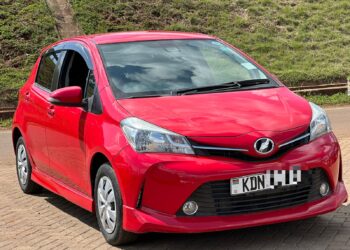
The used car market is the lifeblood of Kenya’s automotive industry, accounting for over 80%of all vehicle sales. We explore the powerful economic, logistical, and cultural factors that keep imported second-hand cars the preferred choice for Kenyan drivers and examine the new trends that are slowly reshaping the market.
The Economics of Ownership: Why Used Always Wins on Price
The fundamental reason for the dominance of the Kenyan used car market is the immense affordability gap compared to new vehicles. For the majority of buyers, the financial logic of purchasing a used import is unbeatable.
The High Cost Barrier for New Cars
A combination of import duties, taxes, and manufacturing costs inflates the price of a new car in Kenya. This makes the total financial outlay significantly higher than importing a quality pre-owned model.
- Taxes and Duties: New cars are subject to multiple levies, including Import Duty, Excise Duty, and VAT, which can collectively add over 60% to the cost of the vehicle before it even reaches a showroom.
- Minimal Depreciation: Buying a used car means avoiding the steepest curve of depreciation that a new car suffers in its first few years. Popular used models like the Toyota Vitz or Subaru Forester retain their value exceptionally well, making them a safer financial asset.
- Value for Money: Buyers can acquire larger, more feature-rich used vehicles for the price of a small, base-model new car. For those tracking market data, read more on market trends and vehicle depreciation on autoskenya.com.
Practicality and Trust: The Japanese Influence
Beyond the cost, the market is heavily influenced by the practical benefits and deep-seated trust placed in specific imported vehicles, primarily from Japan.
Unmatched Reliability and Spares Network
The success of brands like Toyota, Honda, and Nissan in the Kenyan market is built on their vehicles’ proven reliability and durability. These cars are known to withstand high mileage and the varying quality of Kenyan roads with minimal fuss.
- Spare Parts Availability: A vast, efficient network for affordable, readily available spare parts exists nationwide for popular imports. This means repairs are faster and cheaper—a major concern for every car owner.
- Familiarity: Kenyan mechanics have decades of specialized experience with these imported models, simplifying diagnostics and repairs. This professional familiarity drastically lowers the long-term cost of ownership.
- The 8-Year Rule: Government policy limiting imported cars to eight years ensures that the stock entering the country is relatively modern, balancing cost with quality and safety standards.
For buyers looking for specific models that exemplify this reliability, such as the hardy Toyota Hilux or the versatile Nissan X-Trail, you can find a wide selection of used cars on auto24.co.ke, the major site for buying second-hand cars in Kenya.
Car Care Tip: To maximize your used car’s longevity, always adhere to the manufacturer’s recommended service intervals. Use genuine oil filters and fluids, and keep comprehensive maintenance records—this significantly boosts its appeal (and price) when you eventually sell it.
What’s Next: The New Forces Shaping Kenya’s Market
While the used car market is firmly entrenched, two key forces—Local Assembly and Electric Vehicles (EVs)—are set to slowly challenge the status quo.
Local Assembly and Commercial Growth
Manufacturers like Isuzu and local partners are expanding local assembly operations. While this is predominantly focused on commercial vehicles (trucks and buses), the capacity for passenger vehicle production is increasing.
- Economic Impact: Increased local assembly supports job creation and can potentially lead to better access to vehicle financing, making newer vehicles more attractive to corporate fleets and professionals.
The Electric Vehicle Disruption
The most significant long-term shift is the rise of Electric Vehicles. Government incentives, including tax reductions on imported EVs and components, are making electric cars increasingly competitive with their petrol counterparts.
- Lower Running Costs: EVs offer compelling savings on fuel and maintenance, an economic advantage that can eventually outweigh the initial low purchase price of a used petrol car.
- Growing Infrastructure: The rollout of public and private charging stations in Nairobi and along major highways is reducing range anxiety.
For drivers looking to explore sustainable mobility and bypass high fuel costs, platforms like EV24.africa offer import options for electric cars, expanding choices in the growing eco-friendly vehicle segment in Kenya. You can stay ahead of the curve by following all the latest developments in this sector. For more analysis on this emerging sector, find more comprehensive new car reviews and news on automag.co.ke.
Conclusion: A Market in Transition
The dominance of used cars in Kenya is a reflection of economic necessity and consumer trust built over decades of reliable performance. The market thrives on affordability, accessibility of spares, and proven durability.
However, the future is in transition. As local assembly matures and, more critically, as EVs become more cost-effective due to tax policies and infrastructure growth, Kenyan buyers will have viable, long-term alternatives to the traditional used import. This increased competition benefits everyone, providing better quality and greater choice across all segments.
Which factor do you weigh most heavily when buying a used car in Kenya: reliability or cost? Share your priorities in the comments below!