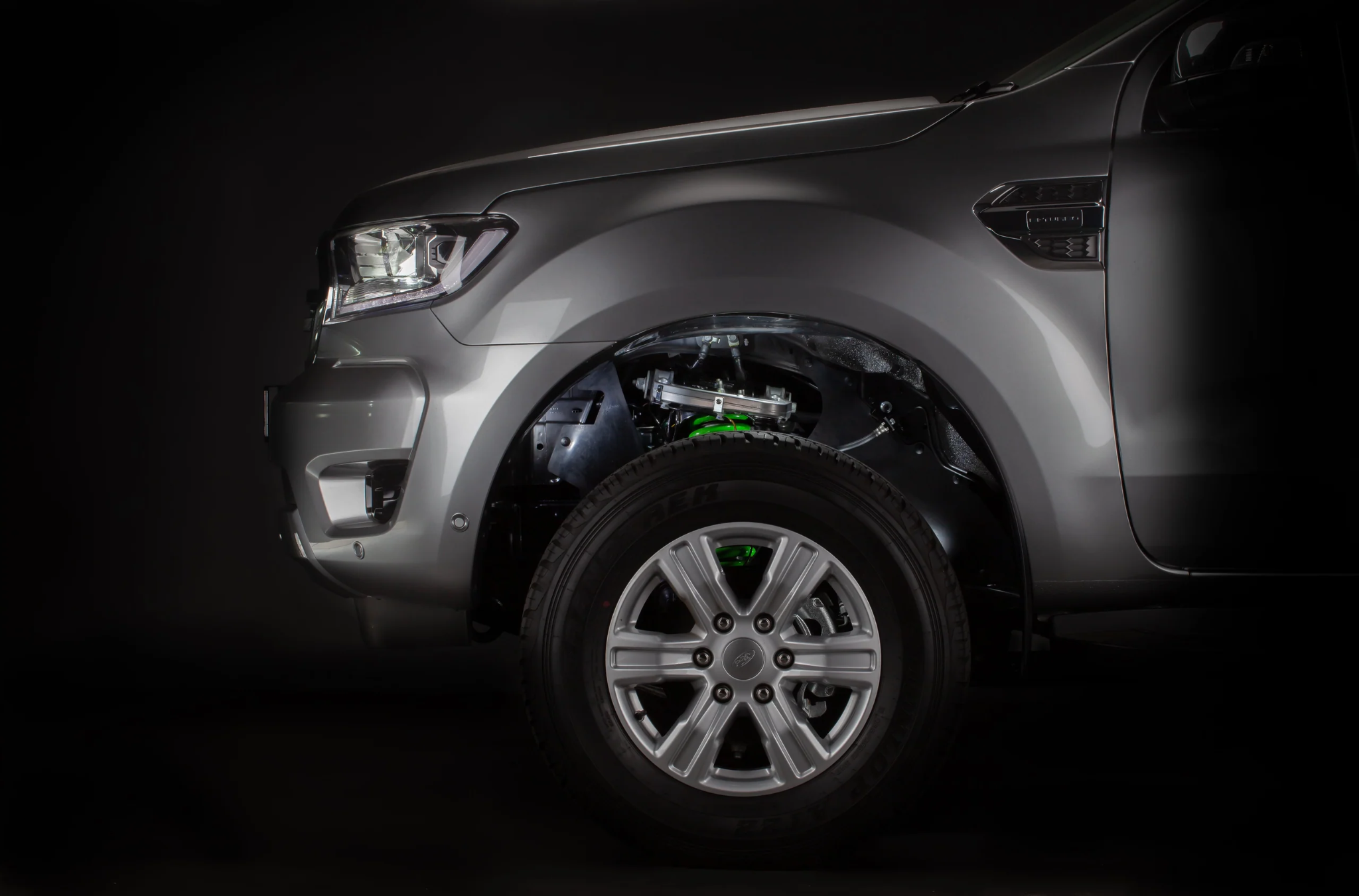
Guard your wallet from expensive suspension repairs. Discover the ultimate shock absorber survival guide to protect your suspension on potholed Kenyan highways.
Shock Absorber Survival Guide: How to Protect Your Suspension on Potholed Kenyan Superhighways
Cruising along the Nairobi–Mombasa highway or navigating a sudden detour through a rough rural bypass can instantly turn an enjoyable drive into a nerve-wracking test of mechanical endurance. This daily pounding is borne entirely by your vehicle’s suspension framework, which works tirelessly to absorb severe vertical impacts. Since September 2026, automotive workshops across Nairobi have reported a massive surge in premature strut leakages and shattered bushing assemblies caused by heavily corrugated surfaces. Learning the core principles of a proper shock absorber survival guide: how to protect your suspension on potholed Kenyan superhighways has become an absolute financial priority for keeping your vehicle driving straight and true.
Preserving your undercarriage requires a combination of sharp defensive driving habits and a structured maintenance routine tailored for local infrastructure.
The Best Suspension Protection Strategies: Determining the Best Focus Areas
When your chassis encounters severe road craters daily, prioritizing your component checks prevents complete steering failure. Here is a scannable overview of the best defensive checks ranked by structural impact.
| Suspension Component | Priority Tier | The Best Preventative Maintenance Action | Warning Sign of Internal Failure |
| Struts & Shocks | Tier 1: Critical | Wipe away abrasive road grit from the shafts; inspect hydraulic seals for oily residue. | Excessive body bounce after hitting a bump. |
| Control Arm Bushings | Tier 2: High | Spray with silicone lubricant during routine service to prevent dry cracking. | Metallic knocking sounds when steering over rough terrain. |
| Stabilizer Link Bars | Tier 3: Medium | Shake the link bars manually during tyre rotations to detect inner joint play. | Loud rattling noises on uneven gravel paths. |
Why Severe Local Infrastructure Demands Strict Suspension Upkeep
Kenyan superhighways face unique environmental and traffic loads that quickly push a vehicle’s dampening components to their absolute limits:
- Heavy Traffic and Sudden Road Craters: Navigating heavily congested multi-lane routes under severe afternoon downpours makes it almost impossible to spot deep, water-filled potholes until it is too late.
- Corrugated Rural Detours: Transitioning off smooth highway asphalt onto rough, unpaved village access tracks exposes your vehicle’s dampers to high-frequency vibrations that cause internal fluid seals to overheat and fail.
Maintaining your current suspension setup is smarter than ever given today’s tight vehicle market. Since January 1, 2026, Kenya has strictly enforced a strict 8-year age limit on used vehicle imports under the KEBS standard KS 1515:2000. Under this strict law, only right-hand-drive vehicles first registered in 2019 or later are permitted to clear customs at the Mombasa Port.
This strict age limit has heavily pushed up the floor price for a reliable imported used car. A clean, entry-level hatchback like a Toyota Vitz now costs closer to Ksh 500,000–700,000, meaning local motorists are keeping their existing vehicles much longer. If you are browsing for a fresher, compliant vehicle to tackle upcountry travel, you can check out certified pre-owned listings on platforms like Auto24 Kenya. However, if you are focusing on your current car, staying ahead of preventive suspension checks is your most cost-effective path.
Step-by-Step Guide to Extending Your Suspension Lifespan
If you want to protect your shock absorbers from premature failure on rugged local roads, integrate this precise sequential review into your vehicle care routine.
1. Execute Regular Visual Fluid Leak Checks
Whenever your car is raised for a routine oil change, pull out a flashlight and look closely at the upper bodies of your shock absorbers. If you spot a dark, shiny coating of hydraulic oil accumulating dirt along the exterior cylinder casing, your inner seals have ruptured. Replacing a leaking strut early prevents uneven tyre wear and protects your expensive coil springs from cracking under unmitigated loads.
2. Maintain Correct Tyre Pressures Daily
Your tyres serve as the primary line of defense for your suspension system. Running your tyres over-inflated turns them rock-hard, forcing the raw energy of every single pothole impact straight into your struts and control arm bushings. Check your door pillar placard and adjust your pressures weekly to ensure your tyres can absorb minor road imperfections naturally.
To read comprehensive reviews on the sturdiest suspension replacement brands available in Nairobi, or to check out independent garage ratings for alignment services, explore the expert automotive resources on Autos Kenya.
Green Mobility: Suspension Dynamics in the Electric Era
While traditional combustion vehicles struggle with suspension wear from road conditions, Kenya’s broader transport sector is experiencing a rapid sustainable mobility revolution. Driven by the landmark National E-Mobility Policy launched in February 2026, fully electric vehicles (EVs) are growing enormously across the country, easily distinguished on our highways by their green reflective number plates (and registered under the modern ‘KE’ generation series like KEA).
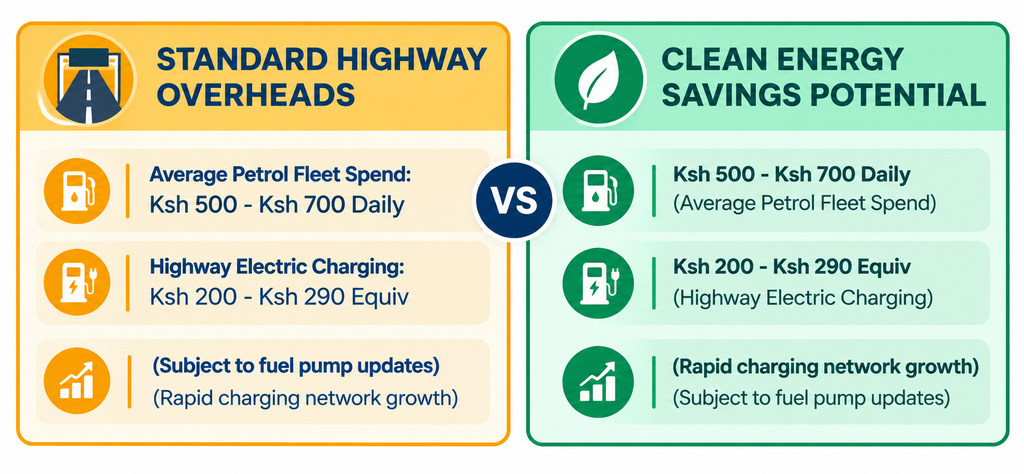
The financial momentum behind this clean energy shift is incredibly clear in the logistics sector: a standard petrol delivery rider spends roughly Ksh 500–700 per day on fuel, whereas an electric motorcycle rider pays an incredibly low Ksh 200–290 per day for smart battery swaps.
For private car buyers tracking these green trends, EV architectures present a unique suspension reality: the heavy floor-mounted battery packs increase the vehicle’s overall weight, requiring heavier-duty, specialized dampers to handle pothole impacts safely. However, because the 2026 Finance Bill has proposed rolling back some early EV tax incentives, private car buyers are moving cautiously, keeping high-quality maintenance for traditional combustion suspensions highly relevant. For business operators looking to future-proof their logistics or explore emerging commercial EV leasing options, platforms like EV24.africa offer excellent strategic clarity.
Answering Your Follow-Up: Should You Replace Shock Absorbers in Pairs?
The most common follow-up question local web visitors ask on maintenance forums is: “If only one of my front shock absorbers is leaking, can I save money by replacing just that single side?”
The answer is a definitive no. You should always replace shock absorbers in axle pairs (both fronts or both rears together). A brand-new shock absorber has significantly stiffer damping characteristics than an older, worn unit on the opposite side. Operating a vehicle with mismatched damping rates across the same axle creates an unstable suspension imbalance, which can cause severe body roll during sudden highway lane changes and compromise your braking efficiency.
[INTERNAL LINK: Read our comprehensive guide on how to perform an online logbook search (TIMS/eCitizen vehicle search) here] to ensure your vehicle’s digital documentation is as clean and solid as its physical chassis.
For the absolute latest in Kenyan automotive updates, detailed car reviews, or fresh travel guides to the best hidden gems you can visit by car across East Africa, keep your browser bookmarked to your premier hub at AutoMag Kenya. Drive defensively, avoid the deep craters, and enjoy a smooth, stable ride!