Kenya 4×4 Maintenance Costs are coming into focus as rough rural roads increase demands on tyres, suspension, brakes and driveline components.
Kenya’s Rural Roads Push 4×4 Maintenance Costs Into Focus
Kenya’s extensive rural road network remains essential for agriculture, trade and access to communities, but rough and unpaved routes can place additional demands on vehicles. The Kenya Roads Board says only about 68% of the road network was in good or fair maintainable condition in its 2023 assessment, while the country’s total road network had reached about 239,105 kilometres.
For motorists using rural routes regularly, Kenya 4×4 Maintenance Costs can therefore become an important consideration when choosing and operating a vehicle.
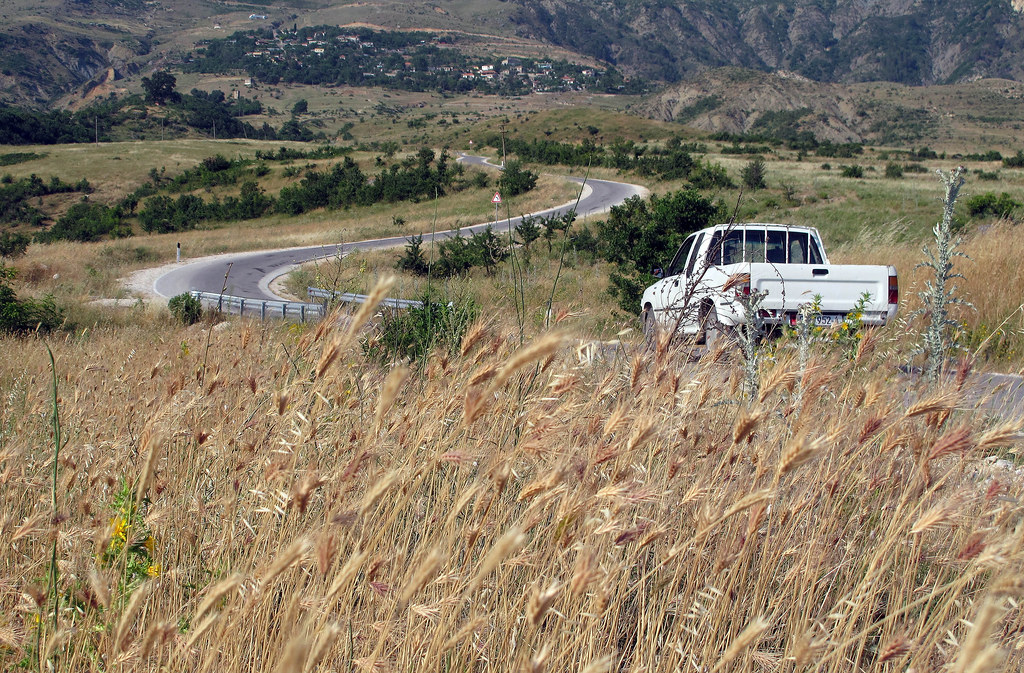
Rural Roads Put More Stress on Vehicles
Many rural roads consist of gravel or earth surfaces, and some can become difficult to use during rainy periods. Kenya’s State Department for Roads says only around 11% of the national road network is paved, with many gravel and earth roads becoming difficult to pass during rainy seasons.
Repeated travel over potholes, corrugations, loose stones and muddy sections can increase wear on suspension components, tyres and steering parts. This means drivers need to look beyond fuel consumption when calculating the running cost of a 4×4.
Suspension and Tyres Need Attention
Suspension components are among the areas that can experience significant stress on rough roads. Shock absorbers, bushes, ball joints, and other components should be inspected regularly, particularly when a vehicle frequently carries passengers or cargo.
Tyres are equally important. Incorrect pressures, worn tread or damaged sidewalls can reduce stability on gravel and uneven surfaces. A suitable all-terrain tyre may provide greater versatility for drivers who regularly leave paved roads, although tyre choice also affects road noise, fuel consumption and replacement costs.
Driveline Maintenance Matters
A four-wheel-drive system provides useful traction when roads become muddy, sandy or uneven, but additional mechanical components also mean additional maintenance requirements.
Transfer cases, differentials, driveshafts and CV joints should be checked according to the manufacturer’s maintenance schedule. Water crossings and muddy conditions can also make inspections particularly important because contamination or damaged seals can create longer-term mechanical problems.
Consequently, Kenya 4×4 Maintenance Costs depend heavily on how and where the vehicle is driven rather than simply the model’s purchase price.
Road Conditions Can Increase Running Expenses
Recent road deterioration has also highlighted how vehicle loads and road conditions interact. In July 2026, the Kenya Rural Roads Authority said persistent overloading had accelerated deterioration on the Ngong-Suswa road, with some heavy vehicles reportedly carrying loads far above the road’s designed axle limits.
For private 4×4 owners, this reinforces the importance of avoiding unnecessary overloading. Carrying excessive weight can increase stress on tyres, suspension, brakes and drivetrain components.
Drivers researching vehicles for rural use can also compare models and specifications through AfriCarGroup Auto24 , particularly when considering ground clearance, drivetrain configuration and practical vehicle size.
Preventive Maintenance Can Control Costs
Regular inspections can help identify worn components before they become larger repairs. Drivers covering rough routes should pay attention to unusual suspension noises, steering vibration, uneven tyre wear, reduced braking performance, and fluid leaks.
Keeping service records and replacing worn parts promptly can also make vehicle ownership more predictable. The right maintenance schedule may ultimately matter as much as the initial choice of 4×4.
Conclusion
Kenya 4×4 Maintenance Costs are closely connected to road conditions, driving frequency, vehicle loads, and maintenance habits. For motorists travelling regularly on rural routes, stronger attention to tyres, suspension, brakes and four-wheel-drive components can help reduce unexpected breakdowns.
As Kenya continues investing in its road network, rural motorists will still need vehicles suited to the conditions they actually encounter. Would you choose a rugged 4×4 or a smaller vehicle for regular rural driving in Kenya? Share your choice in the comments.