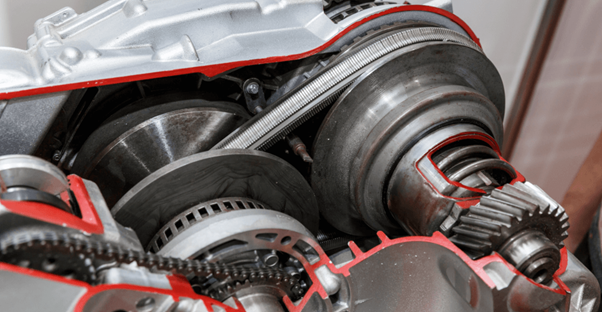
Learn the best sequential steps for servicing your Subaru CVT. Protect your Outback or Forester from expensive transmission failures on rough Kenyan roads.
Maintenance Guide for Servicing Subaru CVTs: The Essential Steps to Prevent Expensive Failures
Drive through the bustling business hubs of Upper Hill, Nairobi, or take a weekend cruise down the highway to Nakuru, and you will notice how many modern Subaru models dominate our roads. From the versatile Forester to the long-distance champion Outback, Subaru has fully embraced the Continuously Variable Transmission (CVT) to maximize fuel efficiency. However, a major debate continues to brew in local mechanic shops across Kenya regarding whether these gearboxes are truly “sealed for life” or if they require regular intervention.
To give you the absolute best advice for local conditions, this detailed maintenance guide for servicing Subaru CVTs breaks down the exact sequential steps required to protect your transmission. We strip away the confusing technical jargon so you can confidently safeguard your car from catastrophic financial failures.
Quick Overview: Subaru CVT Fluid Lifespan and Service Costs in Kenya
| Service Tier | Recommended Interval | Core Action Items | Estimated Local Cost (KES) |
| Routine Health Check | Every 20,000 KM | Inspect for underbody casing leaks; check fluid level via the NTSA-approved fill plug. | Ksh 2,000 – Ksh 4,000 |
| Standard Fluid Drain & Fill | Every 40,000 KM to 60,000 KM | Drain aged oil; replace with genuine Subaru High-Torque CVTF. | Ksh 18,000 – Ksh 25,000 |
| Comprehensive CVT Overhaul | Upon experiencing severe shuddering | Flush the entire torque converter; replace the internal strainer and external filters. | Ksh 45,000 – Ksh 75,000 |
Why Severe Driving Conditions in Kenya Require Regular CVT Care
If you read an official Subaru owner’s manual printed overseas, it might claim that the CVT fluid is a lifetime fluid that never needs replacing. However, that advice assumes pristine, dust-free European highways. Kenya’s real driving conditions are classified under the strict “Severe Driving” bracket due to three major daily challenges:
- Nairobi Traffic Congestion: Crawling along Mombasa Road for hours generates intense heat inside the transmission casing. Heat is the ultimate killer of CVT fluid chemistry.
- Dusty and Rough Rural Roads: Fine dust particles upcountry find their way past aging seals, contaminating the fluid and wearing down the delicate internal chain and pulleys.
- Long-Distance Heat Stresses: Hauling heavy family luggage up steep highway inclines toward the Rift Valley puts massive torque load on the transmission system.
Taking care of your current machine has become a major financial priority. Since January 1, 2026, Kenya has strictly enforced an 8-year age limit on used vehicle imports under the KEBS standard KS 1515:2000. Only right-hand-drive vehicles first registered in 2019 or later can clear customs at the Mombasa Port.
This strict law has heavily pushed up the floor price for a reliable imported used car—turning entry-level hatchbacks like a Toyota Vitz into Ksh 500,000–700,000 investments. Upgrading to a newer compliant Subaru generation requires a massive capital outlay. It is far smarter to maintain your trusted current cruiser. If you are in the market to buy a fresher car, you can check out certified pre-owned listings on platforms like Auto24 Kenya, but keeping your current CVT healthy remains your most cost-effective path.
Step-by-Step Maintenance Guide for Servicing Subaru CVTs
Servicing a Subaru CVT is a highly precise process. It requires specialized tools and strict adherence to sequential steps. Never let a generic mechanic guess their way through this routine.
Step 1: Elevate and Level the Vehicle
The car must be placed on a commercial four-post hydraulic lift. The vehicle must be perfectly level. If the car is tilted even slightly during the service, you will either overfill or underfill the transmission casing, both of which trigger immediate system errors.
Step 2: Cool the Transmission Down
The technician must hook up a diagnostic scanner to monitor the transmission fluid temperature. Never drain a hot CVT. The fluid volume expands with heat, so the entire service must take place when the internal oil temperature sits safely between 30°C and 50°C.
Step 3: Drain the Aged CVTF
Locate the transmission drain plug on the undercarriage pan. Be extremely careful: many unqualified mechanics mistakenly crack open the engine oil pan or the front differential plug instead, draining the wrong fluid entirely! Allow the old, spent fluid to drain completely into a measured container to track the output volume.
Step 4: Replace the Filters and Strainers
Drop the transmission oil pan to access the internal pick-up strainer. Clean out the internal pan magnets, which catch microscopic metal shavings during normal operation. Install a fresh, high-quality replacement gasket and bolt the pan back down to factory torque specifications.
To read comprehensive consumer advice on sourcing genuine Subaru spare parts in Nairobi, or to check reviews of specialized independent transmission garages across the country, check out the resources on Autos Kenya.
Green Mobility: The Changing Face of Kenyan Transport
While traditional Boxer engines paired with CVTs continue to dominate the family wagon segment, Kenya’s commuter ecosystem is moving fast toward sustainable mobility. Driven by the National E-Mobility Policy launched in February 2026, zero-emission vehicles featuring high-visibility green reflective number plates (and registered under the modern ‘KE’ generation series like KEA) are exploding in numbers.
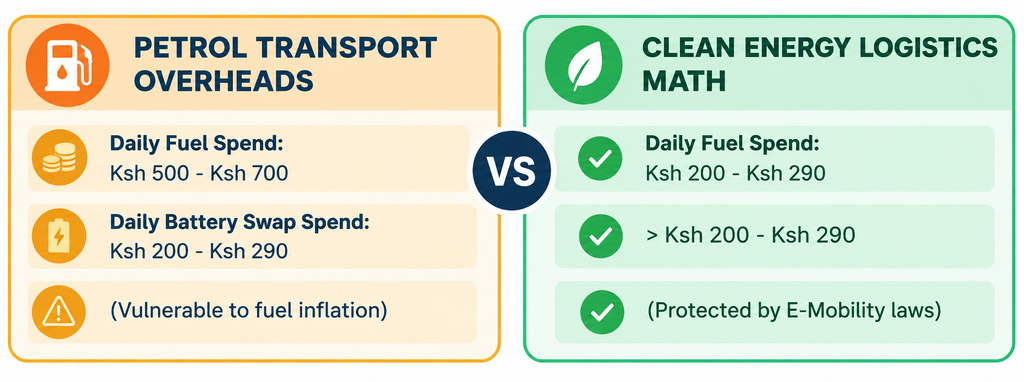
The operating math is hard to ignore: an urban petrol boda boda rider spends roughly Ksh 500–700 per day on fuel, whereas an electric motorcycle rider pays an incredibly low Ksh 200–290 per day for battery swapping.
While fully electric family long-distance cruisers are still maturing, the 2026 Finance Bill has introduced intense policy tension by proposing rollbacks on several early EV tax incentives. Private car owners are choosing to keep their mechanical CVT gearboxes running smoothly while the legal tax frameworks sort themselves out. If you want to explore sustainable EV fleet alternatives or check clean vehicle import channels safely, portals like EV24.africa offer excellent strategic clarity.
Answering Your Follow-Up: How Can You Tell If Your CVT is Failing?
The most common follow-up question we get from local Subaru owners is: “How do I know if my transmission fluid is already degraded?” Keep your senses alert for these three warning signs:
- The Infamous Subaru Shudder: If your car experiences a violent vibration or hesitation when accelerating away from speed bumps or traffic lights, your fluid has lost its thermal integrity.
- Delayed Engagement: Shifting from Park to Drive should be instantaneous. A delay of more than two seconds indicates low fluid pressure inside the valve body.
- Whining Noises: A high-pitched mechanical whine coming from under your center console during highway speeds means internal friction is creating excessive heat.
For the absolute latest in Kenyan automotive updates, legal road modifications, or inspiring destination guides for your next road trip, keep it locked to your premium digital platform at AutoMag Kenya. Look after your transmission, use the right fluid, and enjoy a smooth, reliable drive!