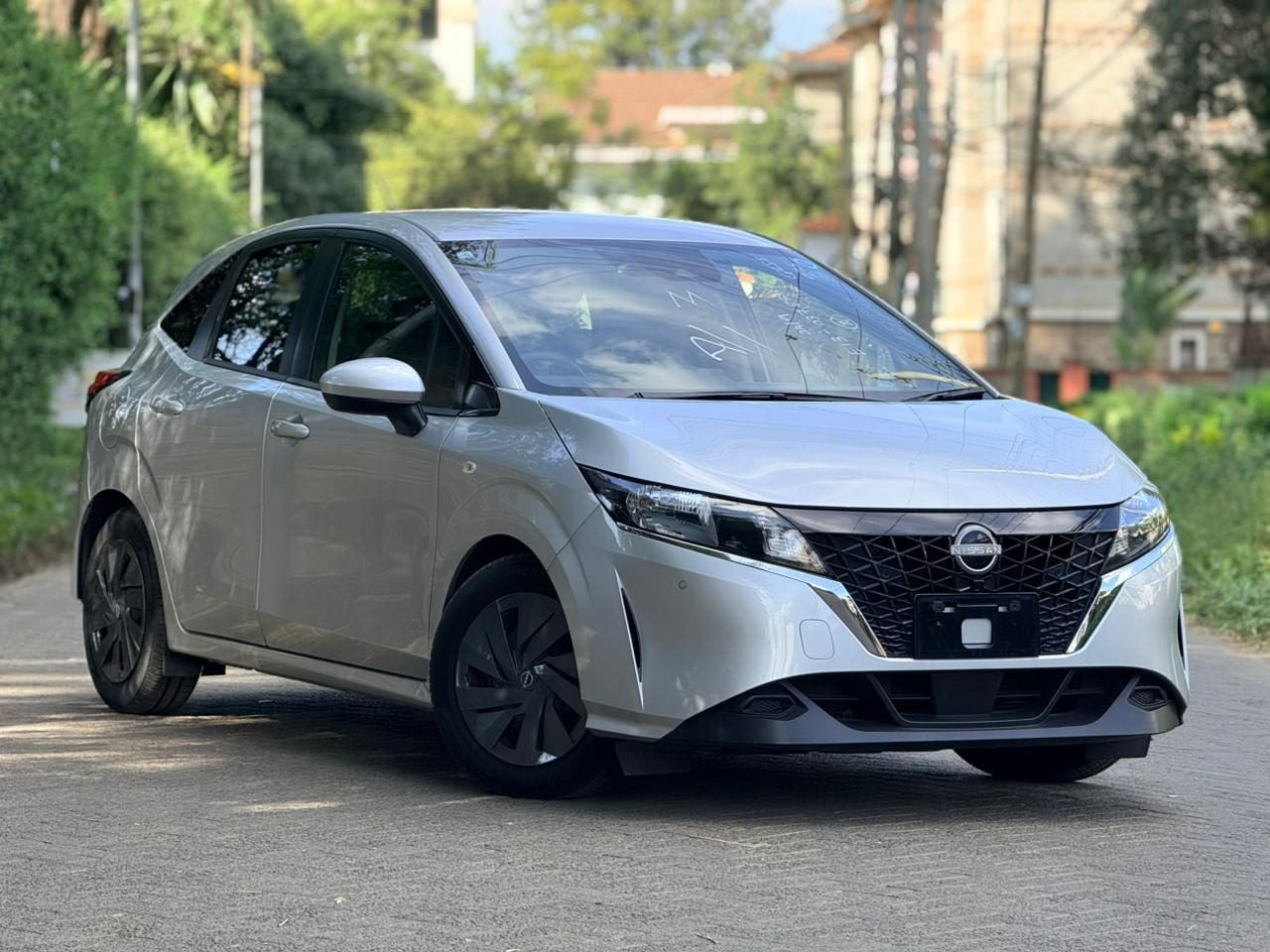
Why does every third Bolt driver in Nairobi seem to drive a Nissan Note e-Power? We break down the price, fuel economy, and real ownership costs.
Nissan Note e-Power Review Kenya: Price, Verdict & Real MPG
Verdict: The Nissan Note e-Power has quietly become one of the smartest used-import buys in Kenya — not because it’s flashy, but because it delivers real-world fuel economy few petrol hatchbacks can touch, which is exactly why it’s become the unofficial vehicle of choice for Nairobi’s Uber and Bolt drivers.
What we like: Genuinely excellent fuel economy in Nairobi stop-start traffic, smooth and quiet electric-motor power delivery, low running costs.
What gives us pause: The hybrid electronics add complexity a basic petrol Note doesn’t have, and pricing climbs fast once you move to the newer, better-equipped shape.
What Makes the e-Power System Different?
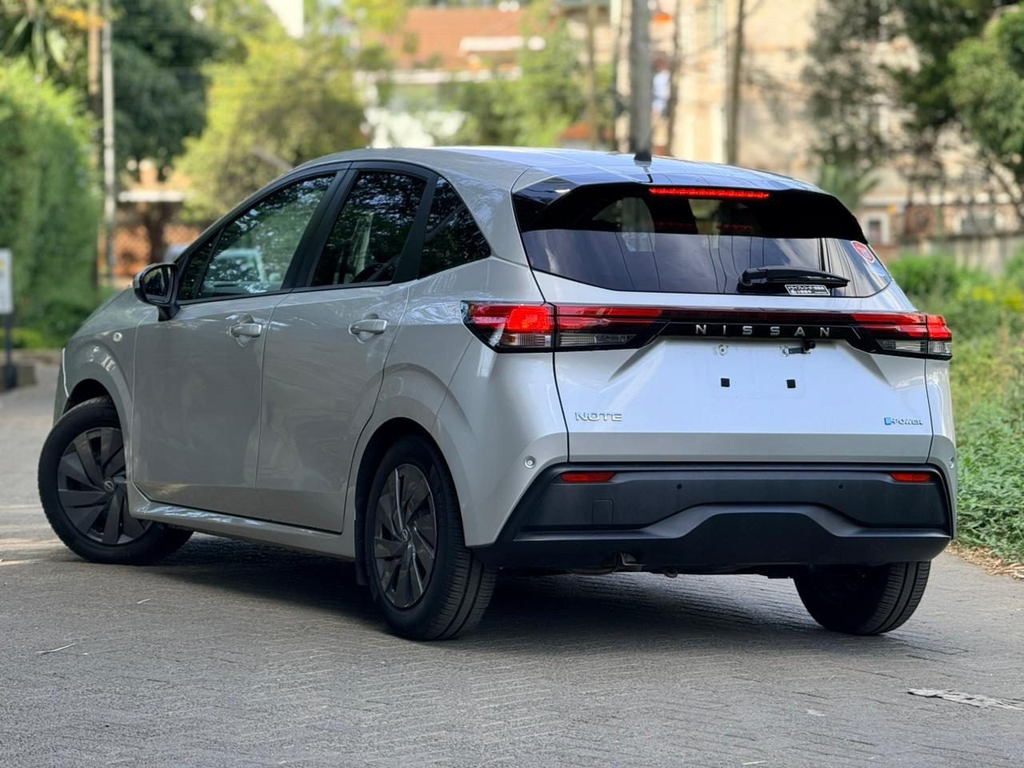
Unlike a conventional hybrid, the Note’s e-Power system never lets the petrol engine drive the wheels directly. A 1.2-litre three-cylinder engine runs purely as a generator, charging a battery that powers the electric motor, which does all the actual driving. The upshot is smooth, EV-like acceleration with instant torque off the line — no gear hunting, no lag — while you never need to plug in anywhere. It’s this combination that makes the Note e-Power feel genuinely different to drive from a standard petrol hatchback of the same size.
How Much Fuel Does It Actually Use in Nairobi?
This is where the Note earns its reputation. Real-world figures from Kenyan owners consistently land around 20 to 30 km/l in city driving, with some drivers reporting even better in steady Nairobi traffic — numbers that explain why so many app-based taxi drivers have switched to it. That efficiency comes specifically from the e-Power system rather than the engine size, so it’s worth confirming you’re looking at an e-Power badge and not the older, purely petrol-powered Note when shopping.
What It Costs in Kenya
Pricing varies widely by generation and spec. Older e-Power imports (2016–2018) can be found from around Ksh 1.2 million to Ksh 1.6 million, while the newer-shape E13 generation, introduced in 2020, commands closer to Ksh 2 million to Ksh 2.5 million depending on trim and mileage. Since Kenya’s 8-year import age rule took effect in January 2026, only RHD vehicles first registered in 2019 or later can now clear customs at Mombasa Port — which effectively pushes fresh Note e-Power imports toward the newer, pricier E13 shape rather than the cheaper older units that dominated the market before.
Space, Trims, and What You Get
The Note’s tall-boy cabin design punches above its compact footprint, comfortably fitting five and offering genuinely usable rear legroom for the segment. Grades range from the basic S trim with cloth seats and steel wheels up through better-equipped X and MEDALIST variants, adding touchscreen infotainment, part-leather seating, and Nissan’s ProPILOT driver assistance on higher trims. For daily commuting or ride-hailing use, the mid-range trims tend to offer the best value — you get the comfort features without paying for extras a taxi driver won’t use.
How It Stacks Up
Against rivals like the Toyota Vitz/Yaris, Honda Fit, and Suzuki Swift, the Note e-Power’s main advantage is its unmatched fuel economy — the trade-off being slightly more complex hybrid electronics to maintain than a straightforward petrol engine.
For more Kenyan car reviews and buying guides, automag.co.ke is a great place to keep browsing. If the Note has you comparing options, auto24.co.ke carries a good range of second-hand hatchbacks worth cross-shopping, and AutosKenya.com is another solid resource for current listings. If low running costs are the whole point for you, it’s also worth a look at EV24.africa to see how Kenya’s fully electric options now compare on cost per kilometre.
Driving a Note e-Power for Uber or Bolt in Nairobi? Tell us what km/l you’re actually getting.