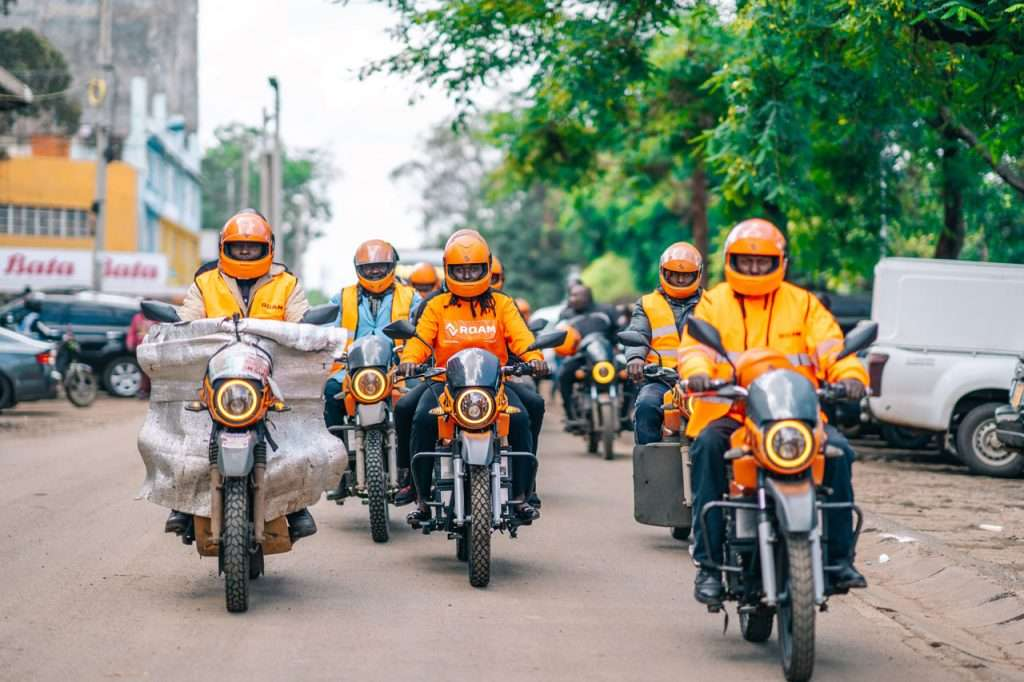
Kenya’s clean transport story is not unfolding in boardrooms or government garages. It is happening on the streets of Nairobi, Kiambu, and Machakos — one bodaboda at a time.
While much of the conversation around sustainable mobility tends to focus on electric cars and public buses, it is Kenya’s motorbike taxis that are quietly rewriting the rules of urban transport. And if you follow the automotive space closely — as we do here at AutoMag.co.ke — this shift is both significant and fascinating.
The Battery Swap Revolution
At the heart of this green transition is a surprisingly simple idea: instead of waiting hours for a motorbike to charge, riders swap a depleted battery for a fully charged one in under two minutes.
Companies such as ROAM, Spiro, and ARC Ride have collectively rolled out more than 300 battery swap stations across Nairobi and its surrounding commuter belt. Industry insiders are already referring to this as the battery swapping war — a race to claim prime locations along Nairobi’s busiest corridors and rider hubs.
For a bodaboda rider, time is quite literally money. A charging-based system — where a rider might wait several hours at a charging point — is simply not practical when daily income depends on constant, uninterrupted movement. Battery swapping solves this by allowing riders to operate almost exactly as they would with petrol motorcycles.
What Riders Are Actually Experiencing
The impact on the ground is becoming increasingly visible. Bodaboda operators who have made the switch to electric report noticeably lower daily running costs, fewer mechanical problems, and more predictable monthly expenses.
Traditional petrol motorcycles require regular oil changes, fuel pump maintenance, and engine tune-ups — costs that add up quickly. Electric motorcycles have fewer moving parts, which means fewer things to go wrong. For riders working on tight margins, this is a genuine quality-of-life improvement.
A practical tip for any rider or small fleet owner considering the switch: Before committing to an electric motorcycle, verify that battery swap stations are available along your regular routes. A swap station that is even ten kilometres out of your daily path can affect your earnings. Check the coverage maps of operators like ROAM and Spiro before signing up.
Why This Matters Beyond the Rider
Transport is one of the largest contributors to Kenya’s carbon emissions, and bodabodas make up a substantial portion of daily urban traffic in cities like Nairobi. Electrifying this sector — even partially — represents a meaningful reduction in tailpipe emissions at scale.
What makes Kenya’s approach genuinely interesting is that it is being driven from the bottom up. In Europe and China, electric mobility began with private passenger cars and urban bus fleets. Kenya’s transition is being led by informal transport workers — people who needed a solution that worked for their daily reality, not a government showcase project.
The boda boda industry, which has long been criticised for congestion, road safety concerns, and regulatory challenges, is now emerging as one of the most practical entry points for green transport in East Africa. For more on how Kenya’s transport landscape is evolving, discover the latest news and analysis on AutoMag.co.ke.
The Competitive Landscape Is Driving Innovation
The rivalry between battery swap operators is not just good for the market — it is accelerating product development. Companies are pushing each other on battery performance, charging efficiency, and the quality of their subscription models for riders.
Improved battery management systems, smarter GPS-based tracking, and more flexible payment options for operators are all emerging from this competitive pressure. In effect, the market is doing what markets do best: solving problems faster than any single player could alone.
Thinking About Making the Switch? Here Is What to Consider
Whether you are a bodaboda operator, a small fleet owner, or simply someone curious about where Kenya’s transport sector is headed, there are a few practical things worth knowing:
1. Upfront costs vs. long-term savings. Electric motorcycles may have a higher purchase price than second-hand petrol options, but lower fuel and maintenance costs often make up the difference within 12 to 18 months of daily use.
2. Subscription models matter. Most battery swap operators offer subscription-based access to batteries rather than outright ownership. Read the terms carefully — understand what happens if a swap station near you goes offline.
3. Used motorbikes are still an option. If you are not ready for electric yet, there are reliable used petrol motorbikes available through platforms like auto24.co.ke, which lists a wide range of second-hand vehicles across Kenya. Whether you are looking for a daily-use motorbike, a small car for personal transport, or a commercial vehicle for your business, it is worth browsing what is available.
4. Electric cars are the next frontier. For drivers looking to take their own journey into sustainable mobility further, EV24.africa offers import options for electric cars, expanding the choices available to Kenyan consumers who want to go beyond two wheels.
The Road Ahead: Challenges That Still Need Addressing
No transition this significant is without its complications. Battery disposal is a genuine environmental concern that will require proper regulation and collection infrastructure as volumes grow. Kenya’s electricity grid will also need to keep pace — increased demand from swap stations puts pressure on supply, particularly outside major urban centres.
Regulatory frameworks are still catching up with the technology. Standards for battery safety, certification for electric motorcycles, and clear guidelines for swap station operators are areas where both industry players and government bodies will need to work closely together.
The autoskenya.com platform, which covers automotive news and mobility trends across the region, has been tracking these regulatory developments closely — and it is a useful resource for anyone wanting to stay informed on how the policy side of electric mobility is taking shape.
A Transformation Worn Lightly
Kenya’s green transport revolution is not arriving with press conferences and concept cars. It is arriving in reflector jackets and helmets, navigating the roundabouts of Nairobi one swap station at a time.
The bodaboda was once seen purely as a vehicle of necessity. It is now becoming a vehicle of transformation — proving that meaningful climate action can begin with the most grassroots part of an economy, not the most glamorous.
For Kenyan drivers and automotive enthusiasts who want to stay ahead of where this industry is heading, AutoMag.co.ke continues to track every development — from electric motorcycles and battery infrastructure to the latest car reviews and driving tips designed specifically for Kenyan roads.