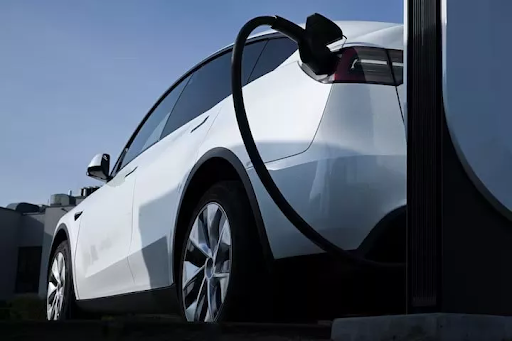
The global shift towards sustainable mobility is gaining serious traction, and Kenya is positioning itself to be a leader in the East African region. The government, alongside key industry players, has set an ambitious yet achievable goal: to have electric vehicles (EVs) constitute at least 5% of all vehicles on Kenyan roads by the end of 2025. This target is a significant step, moving the nation beyond traditional fossil fuels and toward a cleaner, more economically sustainable future.
For Kenyan drivers and enthusiasts accustomed to the reliability of combustion engines, this transition is both exciting and daunting. But as we explore the policies, investments, and practical realities of EV ownership, it’s clear that the electric revolution is not just coming—it’s already here.
Driving the Change: Why the 5% Target Matters
The move to electrify Kenya’s transport sector is not purely about following a global trend; it’s a strategic economic and environmental necessity.
Economic and Environmental Benefits
Kenya’s energy mix is already heavily reliant on renewable sources, primarily geothermal and hydro power. Shifting transport to EVs means we can leverage this clean, locally produced electricity, reducing the reliance on expensive, imported petroleum products. This transition offers several direct benefits:
- Reduced Fuel Costs: EV owners experience dramatically lower ‘fuel’ costs, as charging with grid electricity is significantly cheaper than buying petrol or diesel.
- Lower Emissions: Easing congestion and cleaning up the air in major cities like Nairobi and Mombasa is a major win for public health.
- Energy Security: Utilizing local renewable energy enhances national energy security and stabilises the economy against global oil price shocks.
This drive is often covered by Kenyan auto news sites, keeping drivers up-to-date on the progress. For the latest insights on how the energy sector is supporting this shift, you can always check out the latest news on automag.co.ke.
Government Policies and Private Sector Push
Achieving 5% penetration requires coordinated effort, and both the Kenyan government and private investors are stepping up.
Policy Incentives
The government has put in place attractive fiscal measures to encourage EV adoption. These include:
- Tax Exemptions: Significant reduction or waiver of Excise Duty and Value Added Tax (VAT) on imported fully electric vehicles, making them more competitive against conventional cars.
- Lower Tariffs: Reduced electricity tariffs specifically for EV charging stations, encouraging investment in the necessary infrastructure.
These incentives make the initial cost of ownership more palatable. For those looking to understand the financial implications of car purchases, including the latest import duty changes, autoskenya.com provides excellent, detailed analysis tailored for Kenyan buyers.
Charging Infrastructure Development
Private companies are playing a crucial role in tackling one of the biggest psychological hurdles for new buyers: range anxiety. Startups and established energy firms are aggressively rolling out charging stations, not just in central business districts, but along key national highways.
This infrastructure push is vital. As we see more charging points emerge across the country—from supermarkets to petrol stations—the viability of long-distance EV travel grows exponentially. Discover additional tips on where Kenya’s charging network is expanding here on our site.
Practical EV Ownership in Kenya: A Guide for the New Electric Driver
Switching from a traditional car to an EV requires a small shift in mindset, but the rewards—lower running costs and a smoother driving experience—are substantial.
Maintenance and Battery Care
EVs require significantly less maintenance than their Internal Combustion Engine (ICE) counterparts, as they lack complex components like oil filters, spark plugs, and exhaust systems.
Actionable EV Care Tips:
- Monitor Charging Cycles: To prolong battery life, try to keep the charge level between 20% and 80% for daily driving. Only charge to 100% when preparing for a long journey.
- Mind the Heat: High ambient temperatures can affect battery performance. If possible, park your EV in the shade or a cooler spot, especially during the hottest hours of the day.
- Regenerative Braking: Use the regenerative braking feature (where the motor slows the car and returns energy to the battery) whenever possible. This saves wear and tear on your traditional brake pads and increases range.
Sourcing Your Electric Vehicle
While brand-new EV options are available locally, the second-hand market and imports are proving popular entry points for many drivers.
For drivers looking to explore sustainable mobility, EV24.africa offers reliable import options for electric cars, expanding choices in the mid-range and luxury EV segment for Kenyan consumers.
The used market is also growing, with models like the reliable used Nissan Leaf or the increasingly popular used BYD models becoming available. To find second-hand cars suitable for these conditions, including some of the early EV adopters, check out auto24.co.ke. This is where many Kenyans find vehicles, from popular SUVs to these emerging second-hand EVs.
The Future: Beyond 2025
The 5% goal is merely a stepping stone. Success in 2025 will pave the way for more ambitious targets, potentially leading to the phasing out of ICE vehicle imports entirely in the following decade. Local assembly plants are beginning to emerge, creating jobs and further reducing the cost of EVs.
Kenya is on the cusp of a transport transformation. By embracing these changes, Kenyan drivers stand to benefit from cleaner air, massive savings on running costs, and the excitement of driving the technology of the future. The road to 5% is well-lit, and the journey is gathering speed.