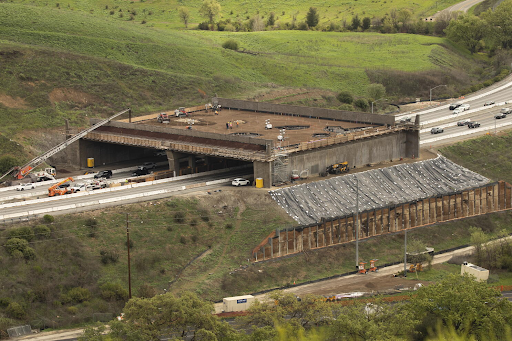
Kenya Wildlife Crossings can help animals move safely across busy highways while reducing collision risks for motorists and protecting important wildlife corridors.
How Wildlife Crossings Can Make Kenya’s Highways Safer for Animals and Drivers
Kenya’s roads connect major cities, towns, farms, ports and tourism destinations, but some highways also pass through areas used by wildlife. When roads cut across migration routes and animal habitats, vehicles and wildlife can end up sharing the same space. This creates risks for both animals and motorists.
The development of Kenya Wildlife Crossings can provide one solution by allowing animals to move beneath or above major roads rather than crossing directly through traffic. Kenya Wildlife Service (KWS) already identifies underpasses, overpasses, fencing, warning signs and speed-control measures as tools that can reduce infrastructure-related risks to wildlife.
Why Highways Can Disrupt Wildlife Movement
Roads can divide habitats that were previously connected. Animals may need to cross from one side of a highway to reach feeding areas, water sources, breeding grounds or seasonal habitats.
The problem becomes particularly important in areas where large animals regularly move across established corridors. KWS’s wildlife-corridor research has used animal tracking to understand movement patterns and identify wildlife crossings, helping planners assess how infrastructure affects connectivity.
For drivers, an animal suddenly entering a highway can create a dangerous situation. Swerving to avoid wildlife can also result in a collision with another vehicle or roadside obstacle.
Underpasses Can Keep Animals Away From Traffic
One of the most practical forms of Kenya Wildlife Crossings is an underpass. These structures allow animals to travel below the road while vehicles continue moving above them.
Kenya has already used similar infrastructure along major transport corridors. In the Tsavo ecosystem, sections of the Standard Gauge Railway were elevated on bridges to maintain wildlife movement, with some structures providing very high underpasses beneath the railway. Other sections were fenced to prevent animals from entering the railway corridor.
A comparable approach can be considered when planning or upgrading major highways through wildlife-rich landscapes.
Fencing Needs to Work With Crossings
A crossing is less useful if animals can simply enter the highway somewhere nearby. Fencing can guide wildlife toward designated crossing points and reduce random attempts to cross roads.
However, fencing must be designed for the species in the area. KWS’s current giraffe recovery plan specifically calls for giraffe-friendly fence designs and collaboration with road authorities on signage, speed bumps, underpasses and overpasses in areas where infrastructure poses risks.
This demonstrates why Kenya Wildlife Crossings need to be designed as part of a complete wildlife-movement system rather than as isolated structures.
Warning Signs Can Give Drivers More Time
Not every road requires a bridge or tunnel for wildlife. In some locations, warning signs, reduced speeds and other traffic-calming measures can help drivers respond when animals are likely to be nearby.
KWS already advises motorists in its parks to move slowly and quietly, while its visitor guidance emphasizes that wildlife has the right of way.
On public highways near wildlife corridors, clearly visible signs can remind drivers that animals may cross the road and encourage them to reduce speed.
Technology Could Improve Wildlife Road Safety
New technology could make Kenya Wildlife Crossings even more effective. KWS’s giraffe recovery plan identifies tools such as proximity sensors, LiDAR and geofencing as potential components of early-warning systems in high-risk areas.
Such systems could eventually help identify wildlife near a road and provide warnings to approaching motorists. The technology could be particularly useful on busy routes where drivers may not expect animals to appear.
Data from tracking collars and other monitoring systems can also help authorities determine where crossings are most needed instead of installing infrastructure without understanding actual animal movement.
Safer Highways Can Benefit Drivers Too
The environmental argument for wildlife crossings is clear, but motorists can benefit as well. A well-designed crossing system can separate animals from fast-moving traffic, reducing the possibility of sudden encounters.
This is especially important for large animals. A collision involving an elephant, giraffe or other large species can cause serious damage to both the vehicle and the animal.
Drivers travelling near wildlife areas should still remain alert. Even where fencing and crossings exist, animals can sometimes find gaps or move outside expected routes. Maintaining a moderate speed and watching roadside warning signs remain important parts of safe driving.
Car owners planning trips through Kenya’s wildlife-rich regions can also explore suitable vehicles throughAfriCarGroup Auto24 .
Designing Roads Around Wildlife Corridors
Kenya’s wildlife conservation strategy recognizes habitat fragmentation and human-wildlife conflict as continuing pressures on wildlife. KWS’s 2024–2028 strategic plan identifies habitat fragmentation among the factors affecting wildlife populations.
This makes road planning an important part of long-term conservation. Identifying wildlife corridors before constructing new highways can allow engineers to incorporate crossings, fencing and warning systems into the original design.
For existing roads, authorities can use collision records, wildlife sightings and animal-tracking data to identify dangerous sections that may require improvements.
Conclusion
Kenya Wildlife Crossings can play an important role in connecting habitats while making roads safer for motorists. Underpasses, overpasses, fencing, warning signs and emerging detection technology can work together to reduce the need for wildlife to cross directly through fast-moving traffic.
As Kenya continues developing its road network, incorporating wildlife movement into highway planning can help ensure that improved transportation does not come at the expense of important animal corridors.
Do you think Kenya should build more wildlife crossings on major highways, or should greater emphasis be placed on warning systems and lower speed limits? Share your thoughts in the comments.