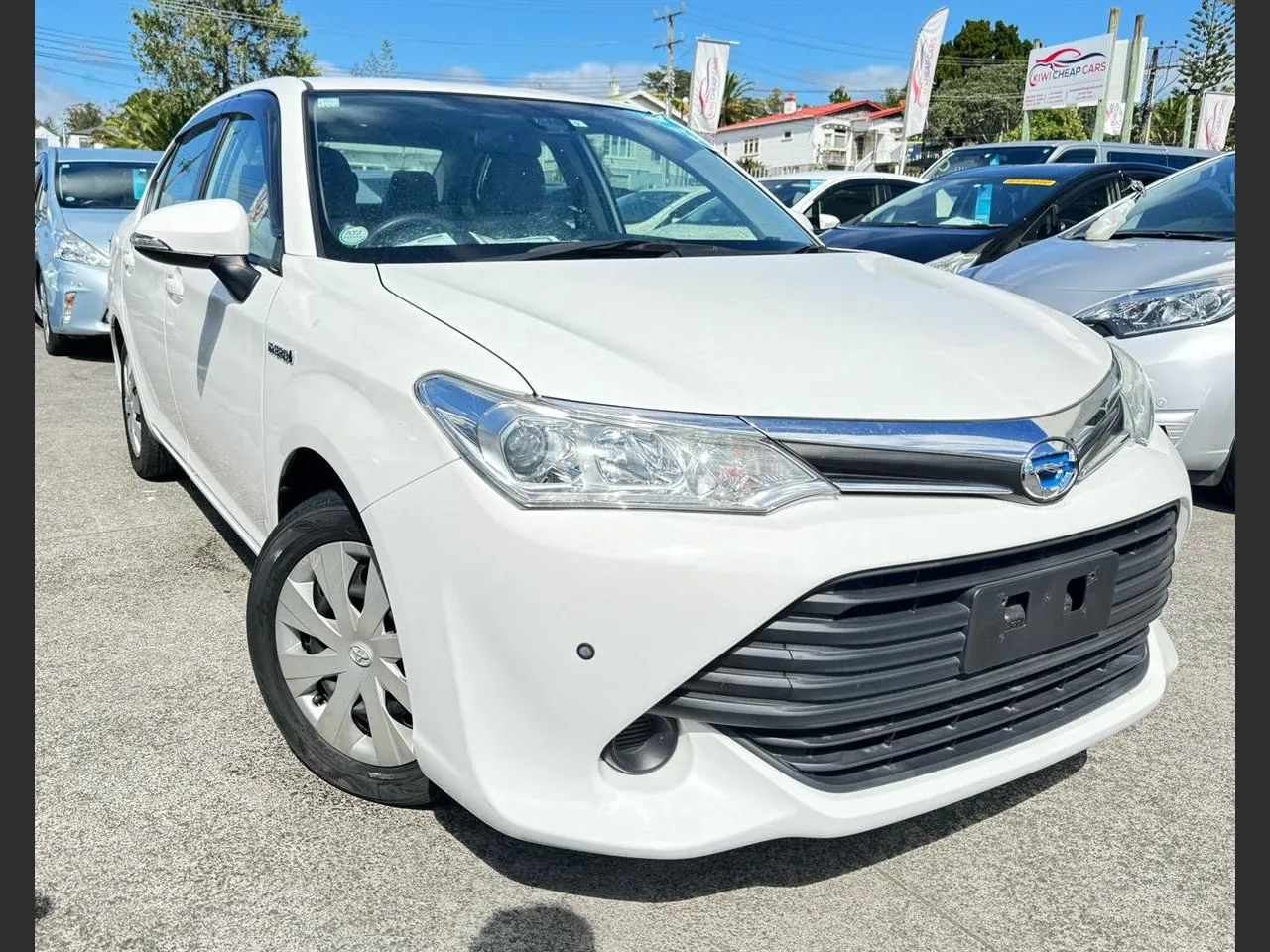
Buying a car in Kenya is an exciting milestone, but the process, from setting a budget to final documentation, requires diligence and careful steps. Whether you’re a first-time buyer or looking to upgrade, navigating the used and new car market can be tricky. This guide provides a detailed, actionable roadmap to ensure you drive away with a safe, legally compliant, and value-for-money vehicle.
1. Setting a Realistic Budget and Exploring Financing
The first and most critical step is defining your financial scope. Your budget isn’t just the purchase price; it must cover the total cost of ownership.
Calculating the True Cost
| Cost Component | What to Include |
| Purchase Price | The agreed-upon cost of the vehicle. |
| Taxes & Duties | For imported cars: Import Duty, Excise Duty, and VAT. |
| Transfer Fees | NTSA ownership transfer fees (varies by engine size). |
| Insurance | Comprehensive or Third-Party cover (mandatory). |
| Pre-Inspection | Fee for a professional mechanic’s check. |
| Initial Maintenance | Immediate costs like servicing, tyre replacement, or minor repairs. |
Financing Options in Kenya
Many buyers rely on financing. Understanding your options can help you secure the best terms:
- Bank Loans/Asset Financing: Most major commercial banks offer structured asset financing, often covering up to 80% of the car’s value. The car typically serves as the collateral.
- SACCO Loans: Savings and Credit Co-operative Societies (SACCOs) often provide loans at favorable rates to their members.
- Microfinance Institutions (MFIs): Offer more accessible, though sometimes higher-interest, loans for those who may not meet bank requirements.
Tip for Car Care: Always budget for regular maintenance. A well-maintained vehicle saves you money in the long run by preventing catastrophic failures
Check out automag.co.ke for the latest car maintenance tips and financial planning advice.
2. Defining Your Car Needs and Market Research
Before you start browsing, clarify your needs based on Kenyan driving conditions and your lifestyle.
Key Requirements Checklist
- Purpose: Commuting, business (e.g., taxi/courier), or family transport?
- Ground Clearance: Crucial for Kenya’s diverse road network. Higher clearance (like SUVs or crossovers) handles potholes better than low-slung saloon cars.
- Fuel Efficiency: Petrol vs. Diesel? Small engine (e.g., 1000cc-1500cc) models like the Toyota Vitz or Honda Fit are popular for city driving due to lower fuel consumption.
- Parts Availability: Is the model common in Kenya? Easily available spare parts (e.g., for Toyota or Nissan) reduce maintenance downtime and cost.
Where to Find Vehicles
- Online Platforms: Websites offer a wide range of options and competitive pricing. To find second-hand cars suitable for these conditions, including popular models like the Mazda Demio and Subaru Impreza, check out auto24.co.ke.
- Local Dealerships: Offer imported cars (mostly used, under the 7-year rule) or new cars with dealer warranties.
- Private Sellers: Often cheaper, but the buyer takes on more risk and responsibility for documentation.
For drivers looking to explore sustainable mobility, EV24.africa offers import options for electric cars, expanding choices in the rapidly growing e-mobility sector in Kenya.8
3. The Crucial Inspection: What to Look For
Never buy a vehicle purely on visual appeal. A thorough pre-purchase inspection (PPI) by an independent, trusted mechanic is non-negotiable.
Pre-Purchase Inspection Checklist
| Area | Key Checks to Perform |
| Engine & Transmission | Check for leaks, strange noises on startup/idle, excessive smoke. Ensure transmission shifts smoothly (no jerking or slipping). |
| Body & Chassis | Look for mismatched paint or large panel gaps, which indicate past accident repair. Check the chassis/undercarriage for signs of rust or bending. |
| Suspension | Test drive over a speed bump; the car should settle quickly, not bounce excessively. Listen for knocking sounds (could mean worn shock absorbers). |
| Mileage Verification | Compare the odometer reading with service records and the vehicle’s importation documents (if imported) to check for tampering. |
| Electronics | Test all lights, A/C, power windows, and the sound system. |
Pro-Tip: Ask for the car’s Service History. A well-kept service log is a strong indicator of a reliable car.
4. Documentation and Secure Ownership Transfer
This is the legal final step. Skipping any detail here can lead to costly fraud or legal headaches.
Essential Documents to Verify
- Original Logbook (Certificate of Registration):
- Ensure the seller’s name and ID number match the details on the logbook.
- Verify the Chassis Number (VIN) and Engine Number physically match the logbook.
- KRA PIN Certificates: You will need copies of the KRA PINs for both the buyer and the seller.
- Sale Agreement: A legally binding document that outlines the sale terms, price, and is signed by both parties and witnesses.
- NTSA Search: Conduct a formal search on the National Transport and Safety Authority (NTSA) TIMS portal using the vehicle’s registration number to confirm ownership status and check for any outstanding liens (e.g., unpaid loans).
The NTSA Ownership Transfer Process
The transfer is done online through the NTSA TIMS (Transport Integrated Management System) portal, accessible via eCitizen.
- Seller’s Role: The seller initiates the transfer request on the portal, uploading the necessary documents.
- Buyer’s Role: You will receive a notification and must log in to your TIMS account to accept the transfer within the stipulated time frame.
- Payment and Final Logbook: Once accepted and fees are paid through the portal, NTSA processes the new logbook (usually issued as an e-sticker and a physical logbook later).
Security Note: Make the final payment only after verifying all documentation and initiating the transfer process on the NTSA portal to protect yourself from fraud.
You can find more detailed guides and the latest automotive news, car reviews, and driving tips tailored for Kenyan drivers and enthusiasts by visiting autoskenya.com or by checking out our other articles on automag.co.ke.
Conclusion
Buying a car in Kenya is a significant investment that requires patience and adherence to a clear process. By diligently budgeting, conducting thorough inspections, and ensuring all legal documentation is flawlessly handled through the NTSA TIMS portal, you can successfully navigate the market and enjoy your new vehicle.