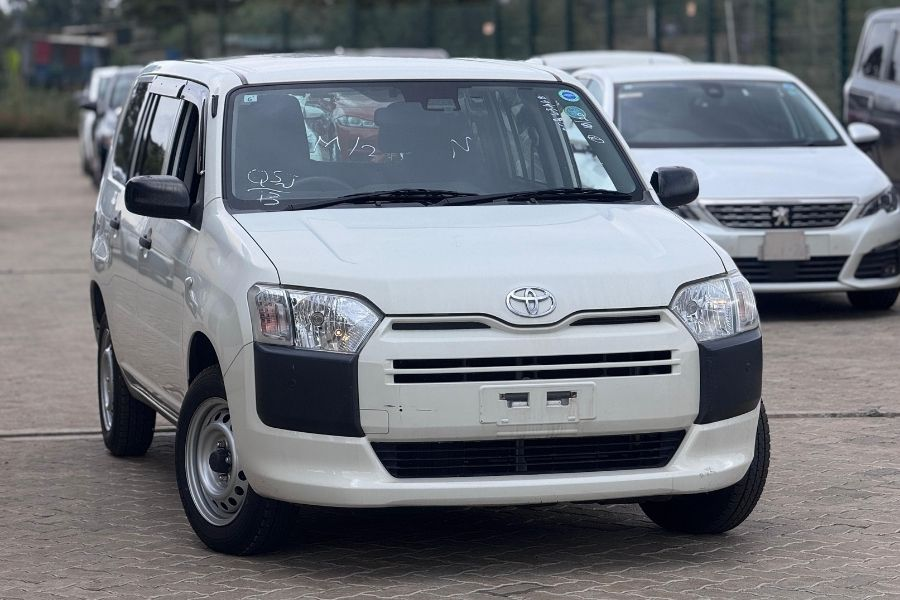
The Toyota Probox is one of the most recognisable vehicles on Kenyan roads. From the busy streets of Nairobi to the long open stretches of the Mombasa Highway and the winding roads of the Rift Valley, the Probox has earned its reputation as a reliable, economical, and hardworking car. Whether it serves as a personal daily driver, a small business delivery vehicle, or a long-distance workhorse, the Probox simply gets the job done — day after day, kilometre after kilometre. For more driving tips and automotive guides tailored to Kenyan roads, visit automag.co.ke and autoskenya.com.
But even the toughest car has its limits, especially when subjected to Kenya’s demanding highway conditions — high-speed cruising, heavy loads, rough tarmac, dust, and the occasional detour onto unpaved roads. The good news is that with the right care and attention, your Toyota Probox can serve you reliably for 300,000 km and beyond. This guide covers everything you need to know to keep your Probox in peak condition and extend its working life on Kenyan highways.
Why the Toyota Probox Is Built for Kenya
Before diving into the maintenance tips, it helps to understand why the Probox has become such a staple of Kenyan motoring. The Probox was originally designed for commercial use in Japan — a practical, no-frills workhorse with a spacious cargo area, excellent fuel economy, and a simple, proven 1.3-litre or 1.5-litre engine. These characteristics translate perfectly to Kenyan conditions.
The 1NZ-FE and 1NZ-FXE engines (found in petrol and hybrid variants respectively) are known for their durability and ease of maintenance. Spare parts are widely available and affordable. The Probox’s high ground clearance relative to its size allows it to handle bumpy roads without bottoming out. And its manual or 4-speed automatic transmission options are both straightforward to service and repair locally.
In short, the Probox is designed to be practical, economical, and maintainable — qualities that align perfectly with what Kenyan drivers need from a highway vehicle. The challenge is ensuring those qualities are preserved through consistent and intelligent maintenance.
Understanding What Kenyan Highways Demand From Your Car
To maintain your Probox effectively, you first need to understand what Kenyan highways actually put your car through. Many drivers assume that highway driving is easier on a car than city driving — and while it is easier on brakes and stop-start transmission wear, it introduces its own unique stresses.
High-Speed Engine Load
Sustained highway speeds — typically 80 to 110 km/h on Kenyan roads — require the engine to run at a constant, elevated RPM for extended periods. This places continuous thermal stress on the engine oil, cooling system, and drive belts. An engine that is not properly maintained will struggle to sustain this load without overheating or wearing prematurely.
Road Surface Variability
Kenya’s highways are not always consistent. Even on major routes like the Nairobi–Nakuru Highway or the Mombasa Road, you will encounter sections of broken tarmac, speed bumps, potholes, and road works diversions onto gravel. These surface changes stress the suspension, tyres, wheel alignment, and underbody components more than smooth highway driving alone would.
Dust and Debris Ingestion
Highway driving stirs up road dust, grit, and small debris — all of which can work their way into the engine air intake, the cabin filter, and the wheel bearings if not managed properly. Vehicles that frequently travel on routes passing through dry, dusty regions need more frequent filter replacements than the standard service interval suggests.
Long-Distance Heat Build-Up
On journeys of several hours — say, Nairobi to Mombasa or Nairobi to Kisumu — heat builds up progressively in the engine, transmission, brakes, and tyres. Inadequate cooling system maintenance, old transmission fluid, or worn brake pads that might seem acceptable for short city trips can become genuine safety hazards on a long-distance highway run.
Engine Maintenance: The Heart of a Long-Lasting Probox
The engine is the single most important system to maintain on your Probox. The good news is that the 1NZ-FE engine is one of Toyota’s most reliable units ever produced. It rewards careful maintenance with extraordinary longevity — but it will not tolerate neglect.
Engine Oil: Your Most Important Service Item
Engine oil lubricates, cools, and cleans your engine’s internal components. On a highway-driven Probox, the oil degrades faster than in a car used only for short city trips, because sustained high speeds generate more heat. Use a reputable semi-synthetic or full-synthetic 5W-30 or 10W-30 oil as specified in your owner’s manual, and change it every 5,000 km without exception.
Practical tip: Between oil changes, check your oil level every two weeks or before any long-distance trip. A Probox that burns or loses oil gradually can suffer catastrophic engine damage if the level drops too low on a highway run far from a garage. Carry a small bottle of the correct grade oil in the boot for emergencies.
Coolant System Maintenance
Highway driving puts significant thermal load on the cooling system. A Probox with a marginal cooling system might manage fine in city driving but overheat on a long climb at highway speed — a situation that can cause serious engine damage very quickly. Check the coolant level in the reservoir monthly and inspect the condition of the coolant every 40,000 km or two years. Toyota-specification coolant (pink/red) should be used; never mix different coolant types.
Practical tip: Before any long-distance highway trip, check that the coolant is at the correct level, inspect the radiator for clogging or leaks, and make sure the radiator fan operates correctly. A malfunctioning fan that escapes notice in stop-start city traffic can cause serious overheating at highway speeds.
Air Filter
The air filter prevents dust and debris from entering the engine. On Kenyan highways, especially on routes that pass through arid regions, the air filter can clog significantly faster than the standard 15,000 to 20,000 km replacement interval suggests. A clogged air filter restricts airflow to the engine, reducing power, increasing fuel consumption, and causing the engine to run rich — all of which accelerate wear.
Practical tip: Inspect the air filter every 10,000 km if you regularly drive on dusty routes. Hold it up to the light — if light barely passes through, replace it. Air filters for the Probox are inexpensive and widely available at any auto parts shop in Kenya.
Spark Plugs
The 1NZ-FE engine uses four spark plugs. Worn spark plugs cause misfires, rough idling, poor fuel economy, and sluggish acceleration — all of which become more pronounced under the sustained load of highway driving. Replace spark plugs every 30,000 to 40,000 km with NGK or Denso plugs of the correct specification. Iridium plugs are worth the slightly higher cost for the extended service life they offer.
Timing Belt or Chain Check
Most Probox variants use a timing chain rather than a belt — which is more durable and does not require scheduled replacement. However, the timing chain tensioner can wear over time on high-mileage engines. Listen for a rattling noise from the engine on cold starts, which can indicate a worn tensioner. If you hear this, have it inspected by a qualified mechanic before it becomes a more expensive problem.
Transmission Care for Highway Longevity
Whether your Probox has a 5-speed manual or a 4-speed automatic transmission, highway use places specific demands on the gearbox that differ from city driving.
Manual Gearbox
Manual Probox models are generally very reliable and low-maintenance. The main considerations are clutch condition and gearbox oil. Check gearbox oil every 40,000 km. On a highway-driven vehicle that frequently carries heavy loads, clutch wear accelerates — avoid riding the clutch on long climbs and change gear smoothly rather than holding gears to their limits.
Automatic Gearbox
The 4-speed automatic gearbox found in many Probox models is a simple, proven unit. The key to its longevity on highway use is the transmission fluid. ATF (Automatic Transmission Fluid) degrades with heat — and highway driving generates considerable gearbox heat over time. Change the ATF every 40,000 to 60,000 km using Toyota Genuine ATF Type T-IV or an approved equivalent. Never allow the ATF level to drop, and if the fluid appears dark or has a burnt smell, change it immediately.
Practical tip: On very long highway trips, give the transmission a rest by pulling over and letting the vehicle idle or cool for 10 to 15 minutes every two hours. This is particularly important if you are carrying a heavy load, as a loaded Probox runs the gearbox hotter than one running empty.
Tyres and Wheels: Your Connection to the Road
Tyres are arguably the most safety-critical maintenance item on any highway vehicle. On a Probox travelling at 100 km/h, a tyre blowout is a serious emergency. Fortunately, tyre maintenance is straightforward and inexpensive relative to the risk it mitigates.
Tyre Pressure
The correct tyre pressure for the Toyota Probox is typically 33 PSI (front and rear) for standard loading, though you should check the sticker on the driver’s door jamb for your specific vehicle’s specification. Under-inflated tyres generate excess heat at high speeds, which dramatically increases the risk of a blowout on a long highway run. They also increase fuel consumption and tyre wear.
Practical tip: Check tyre pressure every two weeks and always before a long-distance trip — and check it cold (before driving), as pressure increases once the tyres warm up. Invest in a simple, inexpensive tyre pressure gauge and keep it in the car.
Tyre Rotation and Alignment
Highway driving wears tyres unevenly, particularly on Kenyan roads where one side of the road is often in better condition than the other. Rotate your tyres every 10,000 km to even out the wear across all four corners. Have your wheel alignment checked every 15,000 km or whenever you notice the car pulling to one side, or after hitting a significant pothole. Misaligned wheels cause rapid and uneven tyre wear, reduce fuel efficiency, and put unnecessary stress on the steering components.
Tyre Condition
The legal minimum tread depth is 1.6 mm, but for highway safety, replace tyres before they reach 3 mm of remaining tread. Shallow tread significantly reduces the tyre’s ability to channel water away from the contact patch, increasing the risk of aquaplaning in the rain — a particular concern on wet sections of the Mombasa or Nairobi–Nakuru highways during the rainy season.
Spare Tyre
Always carry a properly inflated spare tyre. Check it every time you check your other four tyres. A flat spare discovered on the side of a remote highway at night is a situation no driver wants to face.
Brake System Maintenance for Highway Safety
Highway driving is actually gentler on brakes than constant city stop-start driving — except in one critical scenario: long descents. Kenya’s highlands and escarpments mean that routes like Nairobi to Naivasha or Nairobi to Mombasa include significant downhill sections where brakes work hard for extended periods. A Probox with worn brake pads or degraded brake fluid is a safety risk on these sections.
Brake Pads
Inspect brake pads every 20,000 km. Most Probox front brake pads last between 40,000 and 60,000 km depending on driving style and load. Rear brake shoes or pads last longer. Signs of worn pads include a high-pitched squealing noise when braking, a grinding sensation, or a longer stopping distance. Replace brake pads as a complete axle set — never replace only one side.
Brake Fluid
Brake fluid is hygroscopic — it absorbs moisture from the atmosphere over time, which lowers its boiling point. Old, moisture-saturated brake fluid can vapourise under the heat generated during extended braking on a long descent, causing a sudden and dangerous loss of braking power known as brake fade. Replace brake fluid every two years or 40,000 km, whichever comes first. Use DOT 3 or DOT 4 fluid as specified in your owner’s manual.
Brake Discs
Check the thickness and surface condition of your brake discs every 40,000 km. Grooved or excessively worn discs reduce braking effectiveness and can cause juddering under braking. If your discs are within specification, have them resurfaced; if they are below minimum thickness, replace them.
Suspension and Underbody: Protecting What You Can’t Always See
The Probox’s suspension is designed for practicality and durability, not for performance driving. It is well suited to Kenya’s roads — but only if properly maintained. Highway use, particularly on roads with regular surface changes between tarmac and rough patches, places continuous stress on suspension components.
Shock Absorbers
Worn shock absorbers reduce your car’s ability to maintain contact with the road surface, increasing braking distance and reducing handling stability — both of which are critical at highway speeds. Signs of worn shocks include excessive body bounce over bumps, the car dipping heavily under braking, or uneven tyre wear. Check shock absorber condition every 40,000 to 60,000 km and replace in pairs (both fronts or both rears together).
Ball Joints and Tie Rod Ends
These steering and suspension joints wear gradually with use, particularly on rough roads. Worn ball joints or tie rod ends cause vague, imprecise steering and can, in extreme cases, cause a sudden loss of steering control. Have them inspected every 40,000 km or whenever you notice unusual steering behaviour. Replacement is inexpensive and straightforward for any competent mechanic.
Underbody Protection
Highway driving at speed can throw up stones, grit, and debris that chip away at the underbody coating on your Probox over time. Corrosion from underneath is a long-term concern, particularly for vehicles that regularly travel on the coast road towards Mombasa or through wet highland routes. Check the underbody annually and apply underbody sealant to any areas where the factory coating has been damaged.
Fuel System and Efficiency Tips
The Toyota Probox is celebrated for its fuel economy — but that economy depends on a well-maintained fuel system and sensible driving habits on the highway.
Fuel Filter
The fuel filter traps contaminants from fuel before they reach the fuel injectors. In Kenya, where fuel quality can vary between stations, keeping the fuel filter clean is particularly important. Replace the fuel filter every 40,000 km. A clogged fuel filter reduces fuel pressure to the injectors, causing rough running, poor economy, and sluggish performance.
Injector Care
The 1NZ-FE engine uses multi-point fuel injection. Dirty or partially blocked injectors cause uneven fuel delivery, misfires, and increased fuel consumption. Using quality fuel from reputable stations and adding a fuel injector cleaner to the tank every 20,000 km helps keep the system clean. If you notice rough idling or a significant drop in fuel economy, have the injectors professionally cleaned.
Highway Driving Economy Tips
The Probox achieves its best fuel economy at steady speeds between 80 and 90 km/h. Above 100 km/h, aerodynamic drag increases fuel consumption noticeably. Use cruise control if your model has it, or practice maintaining a steady throttle position. Avoid sudden acceleration and coasting in neutral — both reduce efficiency and increase wear.
Electrical System and Lighting
Highway driving at night demands fully functioning lighting, and Kenya’s highways — particularly outside major towns — can be very poorly lit. A faulty headlight, brake light, or indicator is not just an inconvenience; it is a genuine safety risk to you and other road users.
Battery
The Probox battery typically lasts three to five years. On highway-used vehicles, the alternator generally keeps the battery well charged — but check the battery terminals every service for corrosion and clean them if necessary. A battery that struggles to start the car in the morning is on borrowed time; replace it before it fails on a remote highway. Budget for a replacement battery every three to four years.
Lights
Check all exterior lights monthly — headlights (high and low beam), brake lights, indicators, reverse lights, and number plate lights. Carry spare bulbs in the glovebox for the most common types used in the Probox. If your Probox has halogen headlights that seem dim, cleaning the lenses with a headlight restoration kit can significantly improve visibility.
Alternator
The alternator charges the battery and powers the car’s electrical systems while the engine is running. A failing alternator causes the battery warning light to illuminate on the dashboard. If you notice this warning, do not ignore it — a failed alternator on a long highway run will eventually drain the battery and leave you stranded. Have it tested at any competent workshop if the warning light appears.
Pre-Highway Trip Checklist for Your Toyota Probox
Before any long-distance highway journey, run through this quick checklist to avoid preventable breakdowns:
• Engine oil — check level and condition
• Coolant — check level in reservoir
• Brake fluid — check level in reservoir
• Tyre pressure — check all four tyres and the spare
• Tyre tread — quick visual check for wear or damage
• All lights — headlights, brake lights, indicators
• Windscreen wipers — ensure they clear water effectively
• Fuel — fill up at a reputable station before a long run
• Tools — ensure the jack, wheel brace, and spare tyre are in place
• Documents — driving licence, insurance, and vehicle inspection certificate
Warning Signs You Should Never Ignore on the Highway
Even a well-maintained Probox can develop problems. Knowing the warning signs and acting on them promptly can be the difference between a minor repair and a catastrophic breakdown:
• Temperature gauge rising toward the red zone — pull over immediately and let the engine cool before inspecting
• Oil warning light — stop driving as soon as it is safe to do so; continuing risks serious engine damage
• Brake pedal feeling soft or spongy — indicates air in the brake fluid; seek a mechanic immediately
• Unusual vibration through the steering wheel — could indicate wheel balance issues, a tyre problem, or a worn suspension component
• Burning smell — check for overheating brakes (particularly after a long descent), a slipping clutch, or an electrical issue
• Any dashboard warning light that was not previously illuminated — take it seriously and have it diagnosed
Buying a Toyota Probox in Kenya: What to Look For
If you are in the market for a Toyota Probox — either as your first one or as a replacement — buying a well-maintained example makes all the difference. Platforms like auto24.co.ke list quality used cars across Kenya, including Toyota Probox, Toyota Succeed, Nissan AD Wagon, and similar practical wagons that are popular in the Kenyan market. When browsing listings, look for vehicles with documented service history, low mileage relative to age, and evidence of genuine maintenance rather than just a fresh coat of polish.
Key things to inspect on a used Probox before buying: check the engine oil for a milky or frothy appearance (a sign of coolant contamination), test the air conditioning, check under the car for oil leaks or rust, listen for any unusual engine or gearbox noise on a test drive, and verify that all dashboard warning lights extinguish after the engine starts.
It is also worth noting that the automotive landscape in Kenya is shifting. For drivers who clock high highway mileage and are thinking about long-term fuel savings, EV24.africa offers electric vehicle import options that are increasingly relevant to Kenyan buyers — particularly for routes where charging infrastructure is developing, such as the Nairobi–Mombasa corridor.
Finding a Trusted Mechanic for Your Probox
A good mechanic is as valuable as good maintenance habits. The Toyota Probox is so widespread in Kenya that virtually every garage has experience working on it — but the quality of workmanship varies considerably. Look for a mechanic or garage that uses genuine or reputable aftermarket Toyota parts, provides a receipt for every service, is willing to show you what was replaced, and has specific experience with the Probox or Toyota small engine vehicles.
Avoid garages that recommend replacing multiple parts simultaneously without explaining why each part needs replacement. A trustworthy mechanic will diagnose specifically, replace only what is necessary, and advise you honestly about upcoming maintenance needs rather than creating unnecessary alarm.
Long-Term Care: Planning for 300,000 km and Beyond
The Toyota Probox is genuinely capable of 300,000 km and more with proper care. Here is a simplified long-term maintenance calendar to help you plan:
Every 5,000 km
• Engine oil and filter change
• Tyre pressure check
• Visual check of lights and fluid levels
Every 10,000 km
• Air filter inspection (replace if needed)
• Brake pad thickness check
• Tyre rotation
Every 20,000 km
• Fuel filter replacement
• Spark plug inspection
• Wheel alignment check
Every 40,000 km
• Spark plug replacement
• ATF fluid change (automatic gearbox)
• Coolant inspection and top-up
• Ball joint and tie rod inspection
• Shock absorber condition check
• Brake disc inspection
Every Two Years or 40,000 km
• Brake fluid replacement
• Coolant replacement
• Battery condition check
Frequently Asked Questions (FAQs)
1. How many kilometres can a Toyota Probox last in Kenya?
With consistent, proper maintenance, a Toyota Probox can reliably reach 300,000 km and beyond. Engines like the 1NZ-FE are known for exceptional longevity when serviced regularly with quality oil and genuine or reputable aftermarket parts.
2. How often should I change the engine oil in my Probox?
Every 5,000 km is the recommended interval for Kenyan conditions, particularly for highway-driven vehicles. Sustained high-speed driving degrades oil faster than short city trips. Use the correct grade as specified in your owner’s manual — typically 5W-30 or 10W-30.
3. What tyres are best for the Toyota Probox on Kenyan highways?
The standard tyre size for most Probox models is 175/65R14 or 185/70R14. Reputable brands such as Bridgestone, Michelin, and Yokohama offer good options. Prioritise tyres with strong wet-weather ratings if you regularly travel on routes prone to heavy rainfall, such as the central highlands or western Kenya.
4. How do I know if my Probox’s shock absorbers need replacing?
Common signs include excessive bouncing after going over a bump (do the ‘push test’ — push down on each corner of the car and count the bounces; more than one or two suggests worn shocks), uneven tyre wear, or the car swaying on corners. Have them inspected by a mechanic if you notice any of these symptoms.
5. Is the Toyota Probox good for long-distance highway driving in Kenya?
Yes — the Probox is one of the most capable long-distance highway cars at its price point in Kenya. Its fuel economy, reliability, and load-carrying ability make it ideal for routes like Nairobi to Mombasa, Nairobi to Kisumu, or Nairobi to Nakuru. The key is keeping it well maintained before and during those journeys.
6. Where can I buy a well-maintained used Toyota Probox in Kenya?
Platforms like auto24.co.ke are a good starting point for finding quality used Probox vehicles with verified dealer listings and transparent pricing. Always insist on a test drive and a pre-purchase inspection by an independent mechanic before committing.
7. What is the fuel consumption of the Toyota Probox on the highway?
The 1.3-litre Probox typically achieves 15 to 18 km/litre on the highway under steady driving conditions. The 1.5-litre variant returns slightly lower figures, typically 13 to 16 km/litre, while the hybrid version is the most efficient. Actual figures depend on load, speed, and road conditions.
8. How do I prevent my Probox from overheating on a long highway trip?
Ensure the coolant is at the correct level before any long trip, confirm the radiator is clean and free of blockages, and verify the radiator fan operates correctly. On long climbs, keep an eye on the temperature gauge. If it starts rising, reduce speed and switch on the cabin heater (which draws heat away from the engine) until you can safely pull over.
Conclusion
The Toyota Probox is one of Kenya’s most beloved highway cars — and rightly so. Its combination of reliability, economy, load capacity, and ease of maintenance makes it a uniquely well-suited vehicle for the demands of Kenyan roads. But longevity is never automatic; it is earned through consistent, intelligent maintenance. By following the guidance in this article — staying on top of oil changes, monitoring your cooling system, maintaining your tyres and brakes, and listening to what your car is telling you — you can confidently expect your Probox to deliver hundreds of thousands of kilometres of faithful service. For more practical driving tips and automotive guides tailored to Kenya, visit automag.co.ke and autoskenya.com. Take care of your Probox, and it will take care of you.