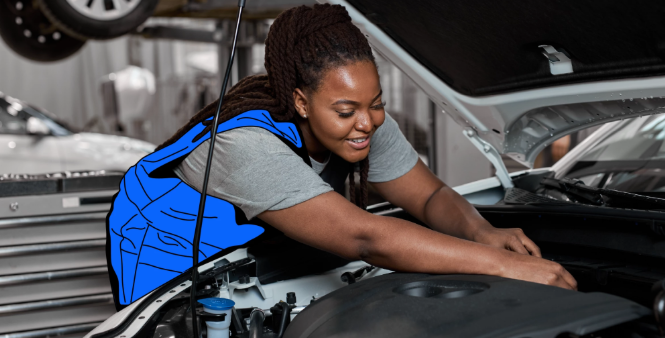
Finding a mechanic you can truly trust is one of the most valuable things a Kenyan car owner can do. It matters more than the brand of oil you use, more than the garage’s proximity to your home, and arguably more than the car you drive. A skilled, honest mechanic extends the life of your vehicle, saves you money over time, and gives you the peace of mind that comes from knowing your car has been properly looked after. The problem is that finding that person — particularly in a new town or when your usual mechanic is unavailable — is not always straightforward. For more car ownership advice and automotive guides tailored to Kenyan drivers, visit automag.co.ke and autoskenya.com.
Kenya’s automotive repair industry is large, diverse, and largely informal. From the roadside fundis working under a tree in rural areas to well-equipped authorised dealership service centres in Nairobi, the range of skill, honesty, and professionalism varies enormously. This guide is designed to help you navigate that landscape — identifying what to look for, what red flags to avoid, how to protect yourself as a customer, and how to build a long-term relationship with a mechanic who genuinely has your best interests at heart.
Why Finding the Right Mechanic Matters More in Kenya
In many developed countries, the automotive repair industry is tightly regulated — mechanics must hold recognised qualifications, workshops must be licensed, and consumer protection laws provide clear recourse when things go wrong. In Kenya, the regulatory environment is considerably more relaxed. While some authorised dealerships and larger independent garages operate to professional standards, a significant portion of the repair industry operates informally, with minimal oversight of qualifications or service quality.
This is not a criticism of informal mechanics — many of Kenya’s most skilled and honest technicians work in modest roadside garages with few fancy tools but decades of hands-on experience. The point is simply that the responsibility for due diligence falls largely on you as the vehicle owner. Knowing how to evaluate a mechanic’s competence and integrity before trusting them with your car is an essential skill for any Kenyan driver.
The financial stakes are real. A dishonest mechanic can recommend unnecessary parts replacements, substitute cheap counterfeit parts while charging for genuine ones, or perform incomplete repairs that return as bigger problems shortly afterwards. A skilled but careless mechanic can introduce new problems while fixing the original one. Over the lifetime of a vehicle, the difference between a good mechanic and a poor one can amount to hundreds of thousands of Kenya Shillings — not to mention the safety implications of poorly executed repairs on brakes, steering, and suspension.
Understanding the Types of Mechanics Available in Kenya
Before you can choose the right mechanic, it helps to understand the different types of repair services operating in Kenya — each with its own advantages and limitations.
Authorised Dealership Service Centres
Authorised service centres, run by official vehicle brand dealerships such as Toyota Kenya, Isuzu East Africa, or Volkswagen Kenya, offer factory-trained technicians, genuine manufacturer parts, and standardised service procedures. They typically have modern diagnostic equipment capable of reading the vehicle’s onboard computer systems accurately. The main drawbacks are cost — dealership services are the most expensive option — and the rigid, menu-based approach to servicing that does not always allow for the nuanced, vehicle-specific attention that a good independent mechanic can provide.
Authorised service centres are the best choice for vehicles still under warranty (servicing elsewhere can void the warranty), for complex electronic or manufacturer-specific diagnostic work, and for recall or warranty repair work.
Established Independent Garages
Independent garages — those operating from a fixed premises with a regular customer base, proper tools, and a track record in the local community — represent the middle ground. The best independent garages offer skills and knowledge comparable to dealerships at considerably lower prices, often with more personalised attention and a willingness to discuss the work with you openly. The key variable is quality, which ranges from excellent to very poor.
Established independent garages are often the best overall value for routine servicing, mechanical repairs, and work on common vehicles like the Toyota Probox, Nissan Tiida, Subaru Forester, or Mitsubishi Outlander — cars that any experienced Kenyan mechanic will have worked on many times.
Specialist Garages
Some independent garages specialise in specific vehicle brands or systems — for example, a workshop that focuses exclusively on German vehicles (BMW, Mercedes-Benz, Volkswagen, Audi), one that specialises in four-wheel-drive and off-road vehicles, or a workshop that handles automatic transmissions. These specialists often possess deeper knowledge and more appropriate tooling for their niche than a generalist garage, making them the right choice when your vehicle’s issue requires that level of expertise.
Mobile and Roadside Mechanics
Kenya has a large population of mobile and roadside mechanics — fundis who operate from a single toolbox, a motorcycle, or a small roadside pitch. Many of these mechanics are genuinely skilled at basic maintenance and common repairs on widespread vehicle types. They are typically the most affordable option and often the most convenient for routine work. However, their limitations include restricted tooling, no access to diagnostic computers, and limited ability to handle complex repairs. They are best suited to straightforward jobs: oil changes, brake pad replacements, minor electrical fixes, and basic bodywork.
How to Find a Trustworthy Mechanic in Kenya
Start With Personal Recommendations
Word of mouth remains the single most reliable way to find a good mechanic in Kenya. Ask colleagues, neighbours, family members, and friends — particularly those who own the same type of car as you — who they use and whether they would recommend them unreservedly. A mechanic who consistently earns personal referrals from satisfied customers is demonstrating exactly the kind of trustworthiness and competence you are looking for. Be specific in your asking: not just ‘do you have a mechanic?’ but ‘have you had major work done there, and did it resolve the problem the first time?’
Check Online Reviews and Community Groups
Online communities have become a valuable resource for finding recommended mechanics in Kenya. Facebook groups dedicated to specific vehicle brands (such as Toyota Probox Kenya Owners, Subaru Kenya Owners Club, or Land Rover Enthusiasts Kenya) are particularly useful — members actively recommend and warn against specific mechanics and garages based on direct experience. Google Maps reviews for established garages also provide a helpful signal, though they should be read critically — look for detailed, specific reviews rather than generic five-star ratings, and pay attention to how the garage responds to negative feedback.
Visit Before You Commit
Before entrusting a garage with a significant repair, visit it first for something small — an oil change, a tyre rotation, or a basic inspection. This gives you an opportunity to observe the workshop environment, speak with the mechanic, and assess how they handle a straightforward job before exposing your car to more complex and costly work. Use this initial visit to ask questions, observe how the mechanic communicates, and get a feel for the culture of the workshop.
Observe the Workshop Environment
A mechanic’s workshop tells you a great deal about how they work. You do not need to see the most expensive equipment or the cleanest floor in Nairobi — but look for basic indicators of a professional approach: tools that are organised rather than scattered, a reasonably clean working area, vehicles being worked on systematically rather than chaotically, and a mechanic who is present and engaged rather than difficult to locate. Workshops that keep old, discarded parts visibly on display from other customers’ cars are showing you what they removed — a level of transparency that is worth noting positively.
Ask About Experience With Your Specific Vehicle
Not all mechanics are equally familiar with all vehicles. A garage that primarily services Toyota, Nissan, and Mitsubishi vehicles may have limited experience with the specific systems of a BMW or a Volkswagen. Before handing over your car, ask directly: ‘Have you worked on this model before? What are the common issues you see with it?’ A knowledgeable mechanic will answer confidently and specifically. An evasive or vague answer is a useful warning signal.
Red Flags: Warning Signs of a Mechanic to Avoid
Knowing what to avoid is as important as knowing what to look for. These are the red flags that should make you think carefully before trusting a mechanic with your vehicle:
Diagnosing Without Inspecting
A mechanic who tells you what is wrong with your car before they have properly inspected it is guessing — or worse, manufacturing a problem to sell you a solution. Any competent mechanic will want to hear your description of the symptoms, inspect the relevant systems, and possibly test-drive the vehicle before arriving at a diagnosis. Be immediately sceptical of instant, confident diagnoses delivered before any inspection has taken place.
Recommending Multiple Simultaneous Replacements
There is a dishonest practice in the repair industry sometimes referred to as ‘parts replacement shotgunning’ — recommending the replacement of multiple components simultaneously without specifically diagnosing which one is causing the problem. The honest alternative is to diagnose the specific faulty component and replace only that part. If a mechanic recommends replacing your brake pads, brake discs, brake callipers, and brake fluid all at once without being able to specifically justify each item, ask them to demonstrate the evidence for each recommendation separately before agreeing.
No Itemised Quote Before Work Begins
A trustworthy mechanic will always provide a clear, itemised estimate — showing both labour costs and parts costs separately — before beginning any significant repair. A mechanic who starts work without agreeing a price, or who provides only a vague ‘roughly around this amount’ before proceeding, is setting up conditions for an inflated bill at collection. Always insist on a written or clearly stated itemised quote before any work begins.
Pressure Tactics and Urgency
Honest mechanics present findings and recommendations clearly, then give you the time and space to make a decision. A mechanic who uses pressure tactics — ‘this needs to be fixed today or your car will be undriveable’, ‘I can give you this price only if you agree right now’, or ‘trust me, you don’t want to know what happens if we don’t fix this immediately’ — is using sales manipulation rather than genuine technical advice. Take your time, ask for a second opinion if you are uncertain, and never be pressured into authorising expensive work on the spot.
Using Counterfeit or Incorrect Parts
Counterfeit auto parts are a significant problem in Kenya. Fake brake pads, oil filters, spark plugs, and electrical components that look identical to genuine parts but perform dangerously below specification are widely available in the market. A mechanic who sources parts from unknown suppliers without being able to identify the brand, origin, or specification of what they are fitting to your car is either unaware of or unconcerned about this risk. Ask specifically what brand of parts will be used, where they are sourced from, and request that replaced parts be shown to you before and after the job.
No Receipt or Service Record
Every legitimate repair or service should be documented with a receipt showing what was done, what parts were used, and what was charged. A mechanic who does not provide documentation — claiming ‘we don’t do receipts here’ or offering only a handwritten note with no detail — is making it impossible for you to track your vehicle’s service history, dispute incorrect charges, or demonstrate to a future buyer that the car has been properly maintained. Documentation is basic professional practice; its absence is a red flag.
Key Questions to Ask Before Choosing a Mechanic
When evaluating a new mechanic or garage, these questions help you assess their competence and integrity quickly:
• How long have you been working on vehicles like mine? — Looking for specific, confident answers
• What is causing this problem, and how did you diagnose that? — Looking for a clear, logical explanation rather than vague guesswork
• Can I see the parts you removed after the job is done? — A trustworthy mechanic will always say yes
• What brand of replacement parts will you use, and where do you source them? — Looking for named, reputable brands
• Can you give me an itemised quote in writing before you start? — A professional will always agree to this
• What guarantee do you offer on the parts and labour? — Reputable garages stand behind their work
• Have you encountered this specific issue on this model before? — Looking for genuine familiarity, not vague assurance
How to Protect Yourself as a Customer
Always Get a Second Opinion on Major Repairs
For any repair estimated at above KES 20,000, it is worth getting a second opinion from a different mechanic — particularly if the diagnosis involves complex or expensive components. This does not mean you distrust your mechanic; it is simply sensible financial due diligence. A confident, honest mechanic will understand and support your decision to seek a second opinion. One who reacts negatively to the suggestion is telling you something important about how they operate.
Be Present During the Inspection
Where possible, be present when the mechanic inspects your vehicle and ask them to walk you through what they are seeing. Even if you do not have deep technical knowledge, being present and engaged discourages dishonest practices and gives you firsthand information about the condition of your car. A mechanic who is comfortable with you watching while they work is demonstrating a level of transparency that reflects well on their practice.
Keep Your Own Service Records
Maintain a simple logbook for your vehicle — noting the date, mileage, workshop, work performed, and cost of every service and repair. This record is invaluable for tracking your car’s history, identifying recurring problems, demonstrating maintenance compliance when selling the vehicle, and verifying that work agreed upon was actually performed. Many Kenyan car owners do not keep service records and are consequently at a disadvantage both in managing their vehicle’s maintenance and in negotiations when reselling.
Understand Basic Maintenance Yourself
You do not need to be a mechanic to be an informed car owner. Understanding the basics — what engine oil does and how to check it, how to recognise a worn tyre, what brake fluid does, and what various dashboard warning lights mean — puts you in a much stronger position when speaking to a mechanic. A driver who clearly knows something about their car is treated with more respect and less likely to be overcharged or misled. Resources like automag.co.ke publish practical guides specifically designed to help Kenyan drivers build this kind of foundational knowledge.
Building a Long-Term Relationship With Your Mechanic
The ideal outcome of your mechanic search is not just finding someone competent for one job — it is establishing a long-term relationship with a trusted technician who knows your vehicle’s history, understands your driving patterns, and can give you honest advice about upcoming maintenance before problems develop into expensive emergencies.
Loyalty Works Both Ways
A mechanic who knows you as a loyal, returning customer has every incentive to do right by you — your continued business and referrals are worth more to them than a single inflated bill. When you find a mechanic you trust, stick with them for routine servicing and minor repairs. Consistency also means they build familiarity with your specific vehicle — noticing gradual changes in its condition that a mechanic seeing it for the first time would miss.
Pay Fairly and on Time
Good mechanics are in demand. If you want to be a priority customer who gets honest advice and timely service, treat your mechanic professionally in return — pay agreed amounts promptly, be clear and specific when describing problems, and do not attempt to negotiate prices down to unreasonable levels on parts and labour. A business relationship built on mutual respect and fair dealing is one that benefits you significantly over time.
Refer Others
If your mechanic does excellent work, refer friends and family to them actively. Personal referrals are the lifeblood of reputable independent garages, and a mechanic who knows you have sent several customers their way will value your relationship all the more. This creates a positive cycle — your referrals strengthen their business, and their continued quality work strengthens their reputation and your confidence in them.
Mechanic Considerations for Specific Vehicle Types in Kenya
Japanese Vehicles (Toyota, Nissan, Mitsubishi, Subaru, Honda)
Japanese vehicles dominate Kenya’s vehicle fleet, which means finding a mechanic with strong experience on these brands is straightforward in most Kenyan towns. Mechanics who specialise in Japanese brands are abundant and parts availability is excellent. The main caution is for more modern, electronically complex Japanese vehicles — newer Toyota hybrids, for example, require specific diagnostic equipment and hybrid system knowledge that not every mechanic claiming to handle Toyota will actually possess.
European Vehicles (BMW, Mercedes-Benz, Volkswagen, Audi)
European vehicles require more specialist knowledge, and finding a genuinely competent independent mechanic for these brands in Kenya requires more careful searching. The electronic systems of modern German vehicles in particular are complex and require proper diagnostic tools — not just generic OBD scanners. Seek out workshops that specifically advertise experience with the brand of your vehicle and ask to see their diagnostic equipment before committing to complex electronic work.
Commercial Vehicles and 4x4s
Kenyan mechanics generally have strong experience with common commercial vehicles and 4x4s — particularly Toyota Land Cruisers, Isuzu trucks, and Mitsubishi Pajeros — given their prevalence in the fleet. For more specialist off-road vehicles or uncommon commercial models, seek out workshops that have specific experience with the type and confirm they have worked on similar vehicles before.
Electric and Hybrid Vehicles
Electric and hybrid vehicles present a distinct mechanic challenge in Kenya. The conventional mechanical systems — brakes, steering, tyres, cabin — can be serviced by any competent mechanic. But the high-voltage battery systems, electric motors, and power electronics of EVs and hybrids require specific training and safety equipment that most conventional mechanics do not possess. For Kenyan drivers exploring electric vehicle ownership, EV24.africa not only offers EV import options but can provide guidance on sourcing appropriately qualified service support for electric vehicles in the Kenyan context. As EV adoption grows in Kenya, the network of trained EV technicians will expand — but for now, buyers of electric and hybrid vehicles should factor service access into their purchase decision.
Using a Mechanic When Buying a Used Car in Kenya
One of the most valuable uses of a trusted mechanic is the pre-purchase inspection — having a competent technician inspect a used car before you commit to buying it. This service is relatively inexpensive but can save you from purchasing a vehicle with hidden mechanical, structural, or electrical problems that the seller has either not disclosed or is unaware of.
Platforms like auto24.co.ke list quality used cars across Kenya — including popular models like the Toyota Probox, Subaru Forester, Mazda Demio, Nissan Note, and Honda Fit — with transparent dealer information and verified listings. When you identify a car of interest on auto24.co.ke or any other listing platform, arranging for your trusted mechanic to conduct a pre-purchase inspection before you finalise the deal is one of the smartest moves any Kenyan car buyer can make.
What a Pre-Purchase Inspection Should Cover
A thorough pre-purchase inspection by a trusted mechanic should include:
• Engine condition — checking for leaks, unusual noises, smoke from the exhaust, and oil quality
• Gearbox and drivetrain — listening for unusual noises, checking fluid condition, and testing all gear engagements
• Brakes — checking pad thickness, disc condition, brake fluid level and quality
• Suspension — checking for worn bushings, shock absorbers, ball joints, and tie rod ends
• Tyres — checking tread depth, tyre condition, and whether wear patterns suggest alignment or suspension issues
• Electrical systems — testing lights, air conditioning, windows, infotainment, and battery condition
• Body and chassis — checking for signs of past accident damage, rust, or structural repairs
• Under the car — inspecting for leaks, underbody rust, and the condition of exhaust and fuel lines
The cost of a pre-purchase inspection — typically between KES 2,000 and KES 5,000 depending on the mechanic and vehicle — is one of the best investments a car buyer can make. A single problem identified before purchase can save you many times that amount in repair costs after the sale.
Frequently Asked Questions (FAQs)
1. How do I find a trustworthy mechanic in a new town in Kenya?
Start by asking locals — hotel staff, petrol station attendants, or business owners — for personal recommendations. Join vehicle-specific Facebook groups or forums where members share recommendations for specific regions. Avoid roadside touts who approach you proactively, particularly near breakdown spots.
2. Should I always use an authorised dealership for servicing?
Not necessarily. Authorised dealerships are the best choice for vehicles under warranty, for complex electronic diagnostics, and for recall work. For routine servicing and common mechanical repairs on vehicles out of warranty, a well-established and trusted independent garage will typically deliver equivalent quality at considerably lower cost.
3. How do I know if a mechanic is using genuine parts?
Ask specifically what brand of parts will be used and where they are sourced. Request to see the parts packaging before installation and ask to keep the old parts after replacement. Buying from reputable spare parts suppliers with established names gives you more assurance than parts sourced from unknown market vendors.
4. What should I do if a mechanic introduces a new problem while fixing the original one?
Document the problem clearly — ideally with photos or video — and raise it with the mechanic directly and calmly. A reputable mechanic will investigate and rectify any problem they introduced without additional charge. If the mechanic disputes responsibility, seek a second independent assessment and, if necessary, pursue the matter through the Consumer Protection Authority or your county’s dispute resolution mechanisms.
5. Is it worth getting a pre-purchase inspection on a used car?
Absolutely. A pre-purchase inspection by a trusted mechanic is one of the best investments a used car buyer in Kenya can make. The small cost of the inspection is dwarfed by the potential saving of avoiding a vehicle with hidden mechanical problems. Never skip this step regardless of how confident the seller appears or how good the car looks on the surface.
6. How often should I service my car in Kenya?
For most vehicles operated in Kenyan conditions — with dusty roads and varied road surfaces — an oil and filter change every 5,000 km is recommended, with a more comprehensive service every 10,000 to 15,000 km. Always follow your vehicle’s specific manufacturer recommendations and discuss your driving conditions with your mechanic, who can advise on any adjustments needed for your particular routes and usage.
7. Can a mobile mechanic do major repairs?
Mobile mechanics are well suited to routine maintenance, basic repairs, and roadside emergencies. For major repairs — engine overhauls, gearbox rebuilds, suspension replacements, or complex electrical diagnostics — a properly equipped workshop with lifts, diagnostic computers, and specialist tools is necessary. Do not attempt to use a mobile mechanic for work that genuinely requires workshop facilities.
8. How do I handle a dispute with a mechanic over a bill?
Remain calm and professional — disputes handled respectfully are far more likely to reach a satisfactory resolution than heated confrontations. Refer back to any written quote or agreement made before the work began. If a fair resolution cannot be reached directly, seek mediation through a consumer protection body. This is why getting a written quote before work begins is so important — it gives you a clear reference point for any dispute.
Conclusion
Finding a mechanic you can trust in Kenya is not just about convenience — it is about protecting your investment, your safety, and your peace of mind as a car owner. The process requires some initial effort: asking for recommendations, visiting garages, asking the right questions, and paying attention to the signals a workshop sends through its environment and the way its staff communicate. But that effort pays dividends for as long as you own your vehicle. A trusted mechanic is one of the most valuable automotive relationships a Kenyan driver can build. Treat it as such, maintain it with loyalty and fair dealing, and it will serve you well for years to come. For more practical automotive guides, car reviews, and driving tips tailored specifically to Kenyan roads and drivers, visit automag.co.ke and autoskenya.com.