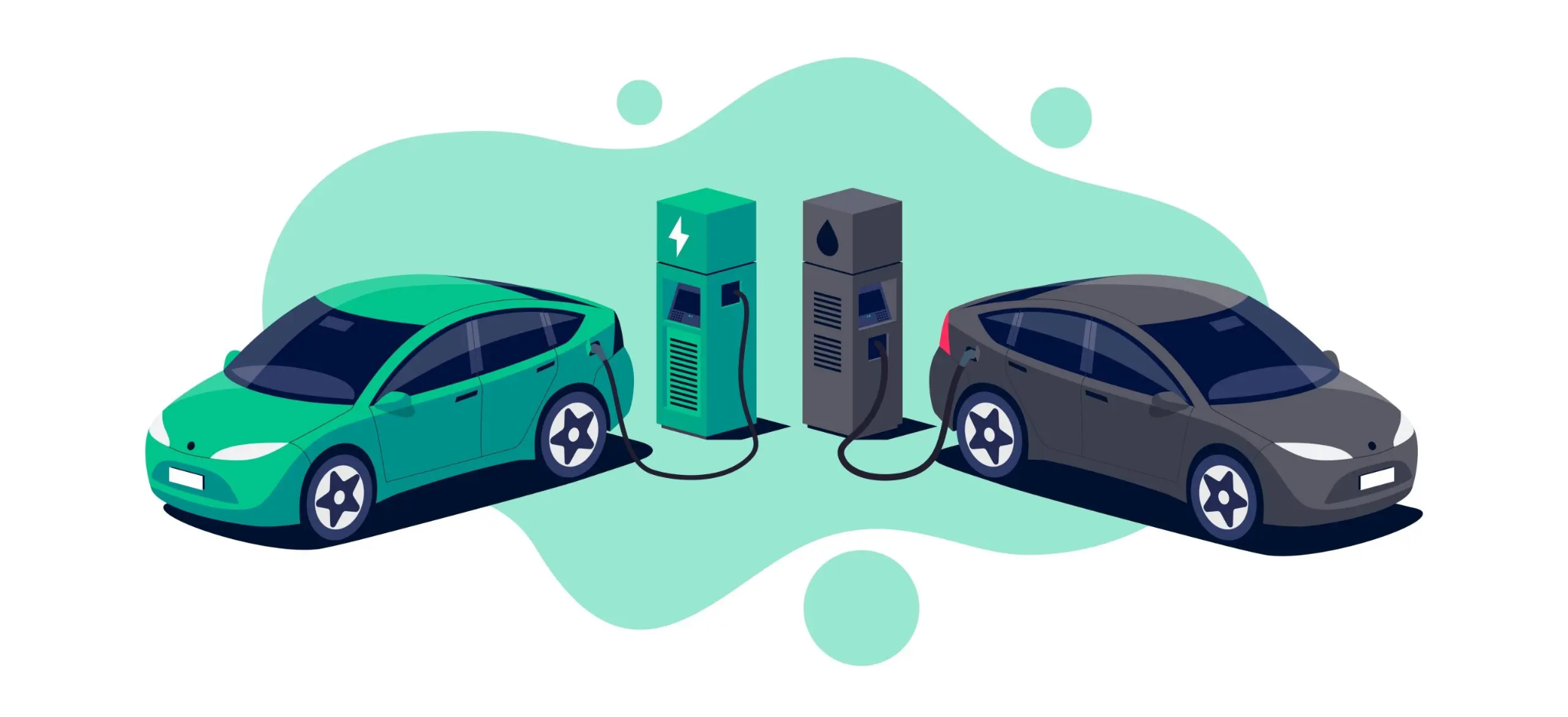
The electric vehicle revolution is reshaping global transportation, and Kenya stands at an interesting crossroads. As fuel prices fluctuate and environmental consciousness grows, more Kenyan drivers are asking a fundamental question: are electric cars actually more affordable than traditional petrol vehicles in our local context? The answer isn’t as straightforward as simply comparing sticker prices—it requires examining the total cost of ownership over several years, considering our unique infrastructure, driving patterns, and economic realities.
Electric vehicles have moved from novelty status to genuine alternatives in Kenya’s automotive market. While still uncommon compared to petrol cars, EVs are becoming increasingly visible on Nairobi streets and other urban centers. Government incentives, improving charging infrastructure, and growing awareness of operating cost advantages are driving this gradual shift. However, significant barriers remain, including higher purchase prices, limited model selection, and concerns about charging accessibility outside major cities.
This comprehensive analysis examines the true affordability comparison between electric and petrol vehicles specifically for Kenyan buyers. We’ll break down purchase costs, operating expenses, maintenance requirements, infrastructure considerations, and resale values to provide a clear picture of which option makes more financial sense for different buyer profiles and usage patterns. Whether you’re considering your first EV purchase or simply curious about the economics of electric mobility in Kenya, this guide provides the data-driven insights you need.
Understanding the Purchase Price Gap
The most obvious difference between electric and petrol vehicles is the upfront purchase price. EVs consistently cost more than comparable petrol vehicles, creating the primary barrier to adoption for most Kenyan buyers. Understanding this price gap and what drives it helps contextualize the total ownership cost analysis.
A basic petrol vehicle like a used Toyota Vitz or Nissan March—popular choices among Kenyan buyers—can be purchased for 800,000 to 1.2 million shillings depending on year and condition. Platforms like auto24.co.ke feature numerous such options, providing accessible entry points to vehicle ownership for budget-conscious buyers. Equivalent new petrol sedans from brands like Toyota, Nissan, or Honda typically range from 1.8 to 3 million shillings.
Electric vehicles, by contrast, start at significantly higher price points. A new Nissan Leaf, one of the most affordable EVs available in Kenya, costs approximately 3.5 to 4.5 million shillings depending on specification and battery capacity. Used EVs imported from Japan or Europe range from 2 to 3.5 million shillings for models with reasonable battery health and features. Higher-end EVs like Tesla models command 6 to 12 million shillings or more, placing them firmly in the luxury category.
This price premium stems from several factors. Battery packs—the most expensive EV component—account for 30-40% of total vehicle cost. While battery costs are declining globally, they remain substantial. Electric motors, power electronics, and sophisticated battery management systems add costs that conventional drivetrains don’t incur. Additionally, lower production volumes compared to petrol vehicles mean EVs don’t benefit from the same economies of scale.
Government policy affects pricing significantly. Kenya has reduced import duties and excise taxes on EVs compared to petrol vehicles, with EVs facing 10% excise duty versus 25% for equivalent petrol cars. This tax advantage narrows the price gap but doesn’t eliminate it. Without these incentives, the price difference would be even more pronounced.
For drivers looking to explore electric vehicle options and understand import processes, EV24.africa provides specialized services for bringing electric cars into Kenya, offering access to various EV models and guidance through the importation process, helping buyers navigate this emerging market segment.
Breaking Down Operating Costs: Fuel vs Electricity
While EVs cost more upfront, their operating expenses tell a dramatically different story. This is where the economic case for electric vehicles becomes compelling, particularly for drivers covering significant annual distances.
Fuel Costs for Petrol Vehicles
Kenyan fuel prices fluctuate but have generally ranged between 160 and 180 shillings per liter for petrol over recent years. A typical compact petrol car like a Toyota Vitz or Nissan Note achieves approximately 12-15 kilometers per liter in mixed city and highway driving, though heavy urban traffic can reduce this to 8-10 km/l.
For a driver covering 20,000 kilometers annually—a reasonable figure for daily commuters—fuel consumption at 12 km/l means using approximately 1,667 liters yearly. At 170 shillings per liter, annual fuel costs total roughly 283,400 shillings. For drivers covering 30,000 kilometers annually, this increases to 425,000 shillings. These figures represent substantial ongoing expenses that continue throughout the vehicle’s ownership period.
Electricity Costs for EVs
Electric vehicles measure efficiency in kilowatt-hours (kWh) per 100 kilometers. Most compact EVs consume 15-20 kWh per 100km in typical driving, though this varies with driving style, terrain, and climate control use.
Kenya Power’s residential electricity rates for typical middle-class consumers average approximately 25-30 shillings per kWh including all charges. Using 17 kWh per 100km as a reasonable average, an EV consuming 3,400 kWh annually to cover 20,000 kilometers would cost approximately 85,000-102,000 shillings in electricity. For 30,000 annual kilometers, electricity costs reach roughly 127,500-153,000 shillings.
The difference is striking. An EV driver covering 20,000 kilometers annually saves approximately 180,000-200,000 shillings in fuel costs compared to a petrol vehicle. Over five years, this totals 900,000 to 1 million shillings in savings—nearly enough to offset the higher purchase price of many EVs.
Public Charging Considerations
Public charging stations, while growing in number, typically charge premium rates compared to home electricity—often 40-60 shillings per kWh. For drivers relying primarily on public charging, costs increase significantly, though they still remain below petrol costs. The economic advantage of EVs is maximized when most charging occurs at home using standard residential electricity rates.
Maintenance Cost Comparison
Vehicle maintenance represents another significant ownership expense where EVs demonstrate clear advantages over petrol vehicles. The mechanical simplicity of electric drivetrains translates directly into reduced maintenance requirements and costs.
Petrol Vehicle Maintenance
Traditional petrol vehicles require regular maintenance that accumulates substantial costs over time. Oil changes every 5,000-7,000 kilometers cost 3,000-6,000 shillings including quality oil and filters. This alone totals 12,000-24,000 shillings annually for a vehicle driven 20,000 kilometers. Air filter replacements, spark plug changes, timing belt replacements (a major service costing 15,000-40,000 shillings depending on the vehicle), transmission fluid changes, and exhaust system maintenance all add to ownership costs.
Brake systems on petrol vehicles require regular service. Brake pads typically last 30,000-50,000 kilometers and cost 4,000-10,000 shillings per axle to replace. Rotors eventually need replacement at 8,000-20,000 shillings per axle. A petrol vehicle driven 100,000 kilometers might require two complete brake pad replacements and one rotor replacement, totaling 25,000-50,000 shillings in brake work alone.
Over a typical five-year ownership period covering 100,000 kilometers, a petrol vehicle might incur 150,000-300,000 shillings in routine maintenance excluding unexpected repairs. Older vehicles or those driven in demanding conditions often exceed these figures.
EV Maintenance Requirements
Electric vehicles eliminate most of these maintenance categories entirely. No engine oil means no oil changes. No combustion process means no spark plugs, air filters, or exhaust systems. No traditional transmission means no transmission fluid services. The electric motor has a single moving part—the rotor—compared to hundreds of moving parts in an internal combustion engine.
EV brake systems last dramatically longer than those in petrol vehicles due to regenerative braking. Instead of friction brakes doing all the work, the electric motor acts as a generator during deceleration, converting kinetic energy back to electricity while slowing the vehicle. Friction brakes only engage for final stopping or emergency situations. Brake pads on EVs commonly last 100,000 kilometers or more—double or triple the lifespan of petrol vehicle brakes.
EV maintenance primarily involves tire rotations (same as any vehicle), cabin air filter replacement, brake fluid changes (less frequent than petrol vehicles due to reduced brake use), and periodic battery coolant service on liquid-cooled battery systems. Over five years and 100,000 kilometers, total maintenance costs might be 50,000-80,000 shillings—less than half what a comparable petrol vehicle requires.
Battery health is the primary long-term concern for EVs. While modern EV batteries are designed to retain 70-80% capacity after 200,000-300,000 kilometers, eventual battery replacement represents a significant expense—potentially 500,000 to 1.5 million shillings depending on the vehicle and battery size. However, this is typically a concern after many years of service, and battery costs are declining as technology improves.
Insurance and Registration Costs
Vehicle insurance and registration represent annual fixed costs that vary between EVs and petrol vehicles in ways that affect total ownership expenses.
Insurance Considerations
Comprehensive vehicle insurance premiums are calculated based on vehicle value, with rates typically 4-6% of insured value annually. Since EVs generally have higher purchase prices, their insurance premiums are correspondingly higher in absolute terms. A petrol vehicle worth 1.5 million shillings might have annual comprehensive insurance of 60,000-90,000 shillings, while an EV worth 3.5 million shillings could face premiums of 140,000-210,000 shillings.
However, some insurance providers are beginning to offer discounted rates for EVs, recognizing their lower accident rates (due in part to advanced safety features common on EVs) and the reduced fire risk compared to vehicles carrying flammable fuel. These discounts can reduce premiums by 5-15%, partially offsetting the higher absolute costs from greater vehicle values.
Third-party insurance, the legal minimum, costs similarly for EVs and petrol vehicles, typically 5,000-7,000 shillings annually. However, given the higher value of most EVs, comprehensive coverage is more common among EV owners.
Registration and Licensing
Annual vehicle licensing fees in Kenya are based on vehicle type and use rather than purchase price or powertrain type. Both EVs and petrol vehicles in the same category pay identical licensing fees—typically 2,400-3,000 shillings annually for private passenger vehicles. This represents one area where EVs enjoy no particular advantage or disadvantage.
However, some counties have introduced EV-friendly policies including preferential parking rates or free parking in designated areas to encourage adoption. While not universal, these small benefits can add up over time, particularly for urban drivers who park frequently.
Charging Infrastructure and Convenience
Beyond direct costs, the practical realities of fueling or charging affect the ownership experience significantly and have indirect economic implications through time, convenience, and accessibility.
Home Charging Advantages
For EV owners with reliable home electricity and dedicated parking, home charging offers tremendous convenience. Vehicles charge overnight using standard electricity, similar to charging a phone. You wake to a “full tank” every morning without visiting fuel stations. This convenience has economic value—time saved not queuing at fuel stations, ability to take advantage of cheaper off-peak electricity rates (if available), and elimination of detours to fueling locations.
Installing home charging equipment ranges from simple (using standard electrical outlets for slow charging) to more complex (installing dedicated EV charging stations providing faster charging). Basic Level 1 charging using standard outlets requires minimal investment but charges slowly—typically adding 10-15 kilometers of range per hour. Level 2 charging stations cost 40,000-120,000 shillings installed but provide 30-60 kilometers of range per hour, fully charging most EVs overnight.
Public Charging Infrastructure
Kenya’s public charging infrastructure is developing but remains limited compared to the extensive fuel station network. Major cities, particularly Nairobi, have growing numbers of charging stations at shopping malls, office complexes, and along major highways. Companies like GridCars, Rubis Energy, and others are expanding networks, but coverage remains incomplete, especially outside urban centers.
Public charging is more expensive than home charging—typically 40-60 shillings per kWh versus 25-30 shillings for home electricity. For drivers without home charging capability, relying primarily on public stations increases operating costs significantly, though costs still generally remain below petrol expenses.
Charging time represents another consideration. While Level 3 fast chargers can add 80% charge in 30-45 minutes, this still exceeds the 5 minutes to refuel a petrol vehicle. For long-distance travel requiring en-route charging, this time difference matters, particularly when fast chargers are occupied or unavailable.
Range and Practical Use
Most affordable EVs available in Kenya offer 150-300 kilometer real-world range, adequate for daily urban commuting but requiring planning for longer trips. Range anxiety—the fear of running out of charge—remains a legitimate concern for drivers regularly covering distances exceeding their EV’s range or traveling to areas with limited charging infrastructure.
Petrol vehicles’ extensive refueling infrastructure and 400-600 kilometer typical range provide flexibility that EVs can’t yet match in Kenya. This flexibility has economic value for business users, frequent travelers, or those living in areas with unreliable electricity or limited charging access.
For comprehensive coverage of EV infrastructure developments, charging station locations, and practical electric vehicle ownership guidance specifically for Kenyan conditions, automag.co.ke provides regular updates helping potential EV buyers understand the evolving landscape of electric mobility in Kenya.
Environmental and Economic Sustainability
Beyond individual ownership costs, broader environmental and economic factors affect the EV versus petrol comparison, particularly for environmentally conscious buyers or those considering long-term sustainability trends.
Kenya’s Clean Energy Advantage
Kenya generates over 90% of its electricity from renewable sources—primarily geothermal, hydroelectric, and wind power. This means EVs charged in Kenya have genuinely low carbon footprints, unlike countries where electricity comes predominantly from coal or natural gas. The environmental case for EVs is particularly strong in Kenya compared to many other countries.
This clean energy advantage has economic implications. As global carbon regulations strengthen and carbon pricing becomes more common, countries and vehicles with lower emissions may receive preferential treatment in international markets, trade agreements, or through domestic policy. Early EV adoption positions Kenyan drivers favorably for potential future incentives or regulations favoring low-emission vehicles.
Future Fuel Price Trends
Petrol prices are subject to global oil market volatility, currency exchange fluctuations (since Kenya imports all petroleum products), and geopolitical events affecting oil supply. Historical trends show general increases over time with significant periodic spikes. Future petrol prices are uncertain but unlikely to decrease sustainably.
Electricity prices are more stable and predictable, based primarily on domestic renewable generation costs. While prices may increase with inflation and infrastructure investment, they’re less subject to the dramatic volatility characterizing petroleum markets. This predictability provides economic planning advantages for EV owners.
Resale Value Considerations
EV resale values in Kenya remain uncertain due to the market’s immaturity. Battery degradation affects used EV values significantly—buyers discount vehicles with reduced battery capacity, and quantifying battery health requires specialized equipment. Currently, used EVs face limited demand, primarily from buyers specifically seeking electric vehicles, which constrains resale values.
Petrol vehicle resale markets are well-established with clear valuation criteria. Popular models like Toyota, Nissan, and Honda retain good resale values, and buyers readily understand condition assessment and pricing. This established market provides more predictable resale values and easier selling processes.
However, as EV adoption grows and the used EV market matures, resale values may stabilize and improve. Early adopters face higher resale uncertainty, but future EV buyers may benefit from more established used EV markets.
Who Benefits Most from EV Ownership?
The EV versus petrol affordability question doesn’t have a universal answer—it depends heavily on individual circumstances, driving patterns, and priorities. Certain buyer profiles benefit significantly from EVs, while for others, petrol vehicles remain more practical or economical.
Ideal EV Candidates
High-mileage urban drivers benefit most from EV economics. Drivers covering 25,000+ kilometers annually, primarily within urban areas with daily round-trip distances within EV range, maximize fuel savings while minimizing range limitations. The 180,000-300,000 shillings in annual fuel savings for high-mileage drivers dramatically shortens the payback period on higher EV purchase prices.
Home charging access is nearly essential for favorable EV economics. Drivers with reliable home electricity and dedicated parking where charging equipment can be installed enjoy maximum convenience and minimum charging costs. Without home charging, relying on more expensive public charging reduces economic advantages.
Environmentally motivated buyers for whom emissions reduction and sustainability are primary concerns find EVs’ environmental benefits justify any economic premium. While this article focuses on affordability, environmental values legitimately factor into vehicle choices for many buyers.
Second-vehicle households can use EVs for daily commuting and short trips while maintaining a petrol vehicle for long-distance travel or contingencies. This eliminates range anxiety and charging infrastructure limitations while capturing most EV economic benefits for daily use.
When Petrol Makes More Sense
Long-distance drivers regularly covering 500+ kilometer trips face EV range and charging infrastructure limitations. While improving, Kenya’s inter-city charging network doesn’t yet support convenient long-distance EV travel outside major corridors. Drivers frequently traveling to remote areas will find petrol vehicles more practical.
Budget-constrained buyers for whom minimizing upfront cost is essential may find the higher EV purchase price prohibitive despite lower operating costs. If financing isn’t available or affordable, the entry barrier to EV ownership remains significant.
Apartment dwellers without parking who cannot install home charging equipment face substantial disadvantages. Relying primarily on public charging for all needs dramatically increases costs and inconvenience, eliminating most EV advantages.
Commercial and ride-hailing drivers covering very high annual distances (50,000+ kilometers) could theoretically benefit from fuel savings, but current EV range and charging time limitations make them impractical for intensive commercial use requiring maximum daily utilization.
For drivers still deciding between vehicle types and wanting to compare options across the Kenyan market, auto24.co.ke features extensive listings of both conventional vehicles and emerging alternative-fuel options, allowing side-by-side comparison of available choices at various price points to match different buyer needs and budgets.
Real-World Cost Comparison Examples
Concrete examples illustrating total five-year ownership costs for specific scenarios help clarify the EV versus petrol economic comparison.
Example 1: Urban Commuter (20,000 km/year)
Petrol Vehicle (Used Toyota Vitz):
- Purchase price: 1,000,000 shillings
- Fuel (5 years): 1,400,000 shillings
- Maintenance: 200,000 shillings
- Insurance (comprehensive): 300,000 shillings
- Total: 2,900,000 shillings
Electric Vehicle (Used Nissan Leaf):
- Purchase price: 2,800,000 shillings
- Electricity (5 years): 450,000 shillings
- Maintenance: 80,000 shillings
- Insurance (comprehensive): 600,000 shillings
- Total: 3,930,000 shillings
In this scenario, the petrol vehicle remains more affordable over five years despite much higher operating costs. The EV’s purchase price premium isn’t fully offset by savings within five years for moderate-mileage drivers.
Example 2: High-Mileage Driver (35,000 km/year)
Petrol Vehicle (Toyota Fielder):
- Purchase price: 1,400,000 shillings
- Fuel (5 years): 2,450,000 shillings
- Maintenance: 300,000 shillings
- Insurance: 350,000 shillings
- Total: 4,500,000 shillings
Electric Vehicle (Nissan Leaf):
- Purchase price: 2,800,000 shillings
- Electricity (5 years): 787,500 shillings
- Maintenance: 100,000 shillings
- Insurance: 600,000 shillings
- Total: 4,287,500 shillings
For high-mileage drivers, the EV becomes more economical within five years, with savings accelerating in subsequent years as the purchase price is already amortized but operating cost advantages continue.
Example 3: Extended Ownership (10 years, 30,000 km/year)
Over longer ownership periods, EV advantages compound dramatically. A petrol vehicle’s ten-year fuel costs might reach 4-5 million shillings, while an EV’s electricity costs remain around 1.5-2 million shillings. Maintenance advantages similarly multiply. Over ten years, most EVs become significantly more economical than petrol vehicles even accounting for potential battery service or replacement.
Government Incentives and Policy Support
Government policy significantly affects EV affordability through tax structures, incentives, and infrastructure investment. Understanding current and potential future policies helps project EV economics.
Current Incentive Structure
Kenya currently offers reduced excise duty on EVs (10% versus 25% for petrol vehicles), providing meaningful purchase price advantages. VAT exemptions on charging equipment and reduced electricity tariffs for registered EV charging during off-peak hours (where implemented) further improve economics. These incentives narrow the purchase price gap and enhance operating cost advantages.
Potential Future Developments
Government commitment to electric mobility appears strong, with targets for EV adoption and continued infrastructure investment. Potential future policies could include additional purchase incentives or grants, mandatory EV charging infrastructure in new buildings, expansion of public charging networks, and preferential treatment for EVs in traffic management or parking. Conversely, governments may eventually need to replace lost fuel tax revenue as EV adoption grows, potentially through new EV-specific taxation, though this remains speculative and likely distant.
Regional Harmonization
East African Community cooperation on EV standards and incentives could improve economies of scale for EVs across the region, potentially reducing costs and improving infrastructure. Regional market development benefits all member states through shared infrastructure investment and larger collective markets attracting manufacturers.
For ongoing coverage of government automotive policies, EV incentives, and regulatory developments affecting vehicle affordability in Kenya, autoskenya.com provides timely analysis helping buyers understand how policy changes affect purchase decisions and long-term ownership economics.
Making Your Decision: A Practical Framework
Given all these factors, how should a Kenyan buyer actually decide between EV and petrol vehicles? This practical framework helps organize decision-making around key questions.
Calculate your annual mileage realistically. High-mileage drivers (25,000+ km/year) benefit most from EV operating cost advantages. Moderate-mileage drivers (15,000-25,000 km/year) see smaller benefits that may not offset higher purchase prices within typical ownership periods. Low-mileage drivers rarely achieve favorable EV economics on purely financial grounds.
Assess your charging situation honestly. Home charging access with reliable electricity is nearly essential for favorable EV economics and convenience. Without it, reconsider whether EV ownership suits your circumstances currently, or explore options to secure charging access.
Consider your typical trips. If most driving is daily urban commuting within 100-150 kilometer round trips, EVs work well. If you regularly make 300+ kilometer trips, especially to areas with limited charging infrastructure, EVs may not suit your needs yet.
Evaluate your budget structure. If you can afford higher upfront cost and prioritize lower operating costs, EVs make sense. If minimizing purchase price is essential and you accept higher operating costs, petrol vehicles remain more accessible.
Factor in non-financial considerations. Environmental impact, driving experience (EVs offer instant torque and quiet operation), technology interest, and early adopter status all legitimately factor into decisions beyond pure economics.
Plan for your full ownership period. EVs become increasingly economical the longer you own them as operating cost advantages accumulate. If you typically keep vehicles 7-10 years, EV economics improve substantially compared to 3-5 year ownership.
Stay informed about market developments. The EV landscape changes rapidly with improving battery technology, expanding infrastructure, evolving prices, and new model availability. Decisions appropriate today may change within a year or two.
The Future Outlook
Understanding current EV affordability is important, but the trajectory of change matters equally. Several trends suggest improving EV economics over coming years.
Battery costs are declining approximately 10-15% annually, directly reducing EV purchase prices. Vehicles affordable only to wealthy buyers today will become accessible to middle-class buyers within 3-5 years as battery technology improves and production scales.
Charging infrastructure is expanding rapidly with government support and private investment. Range anxiety and charging convenience concerns that are legitimate today will diminish as network coverage improves, particularly along major highways and in secondary cities.
Used EV markets are developing. As more new EVs enter Kenya, used EV availability increases, providing lower entry points. Better understanding of battery health assessment will improve used EV market transparency and valuation accuracy.
Petrol prices face upward pressure from global trends toward decarbonization, potential carbon pricing, and long-term resource depletion. The fuel cost advantage EVs currently enjoy will likely expand rather than contract.
Technology improvements including faster charging, longer range, and better battery longevity will make EVs increasingly practical for broader use cases beyond current optimal scenarios.
New model availability will expand as more manufacturers enter the EV market with vehicles designed for different needs and price points, providing better options matching diverse Kenyan buyer requirements.
For drivers exploring EV options and wanting professional guidance through the import process, EV24.africa specializes in bringing electric vehicles into Kenya, providing access to international EV markets and helping buyers navigate the complexities of importing, registering, and maintaining electric vehicles in the Kenyan context.
Conclusion
So, are electric cars more affordable than petrol vehicles in Kenya? The honest answer is: it depends on your specific circumstances, but increasingly, yes—especially for high-mileage urban drivers with home charging access planning for longer ownership periods.
The purchase price gap remains real and significant. EVs cost substantially more upfront, creating a genuine barrier for budget-conscious buyers. However, operating cost advantages are dramatic and compound over time. Fuel savings of 150,000-300,000 shillings annually combined with reduced maintenance costs mean EVs often achieve lower total ownership costs within 5-7 years, with advantages accelerating thereafter.
The decision framework is clear: high-mileage drivers with home charging and primarily urban use should seriously consider EVs as economically favorable choices even today. Moderate-mileage drivers will find EVs reaching cost parity or advantage within typical ownership periods, particularly as purchase prices continue declining. Budget-constrained buyers or those without home charging may need to wait for further price reductions and infrastructure improvements before EVs become their best choice.
Importantly, the trajectory favors EVs. Every trend—battery costs, infrastructure development, government policy, used market maturity—points toward improving EV affordability and practicality. Vehicles that are marginal economic choices today will become clearly favorable within a few years for growing segments of the Kenyan market.
The question isn’t whether EVs will become more affordable than petrol vehicles in Kenya, but when this transition reaches your particular circumstances. For some buyers, that time is now. For others, it’s approaching rapidly. Understanding the economics helps you recognize when electric mobility transitions from future possibility to current opportunity for your specific situation.
For ongoing coverage of electric vehicle developments, comparative analysis of EVs versus conventional vehicles, and practical ownership guidance for the Kenyan market, automag.co.ke provides comprehensive resources helping drivers navigate the evolving automotive landscape and make informed decisions matching their needs, budgets, and values.
Frequently Asked Questions
Q: What’s the realistic range of affordable EVs available in Kenya?
A: Most affordable EVs in the Kenyan market (used Nissan Leafs, Renault Zoes) offer 150-250 kilometers of real-world range depending on battery condition, driving style, and climate control use. Newer or premium EVs may provide 300-400+ kilometers, but at significantly higher costs. For urban commuting where daily round trips are under 100 kilometers, even the shorter-range EVs work well.
Q: How long does it take to charge an EV at home?
A: Using standard electrical outlets (Level 1 charging), expect 10-15 kilometers of range added per hour—meaning overnight charging provides 80-120 kilometers for typical 8-hour periods. Dedicated Level 2 charging stations add 30-60 kilometers per hour, fully charging most EVs in 4-6 hours. Public fast chargers can add 80% charge in 30-45 minutes but are more expensive.
Q: What happens when an EV battery degrades significantly?
A: Modern EV batteries typically retain 70-80% capacity after 200,000-300,000 kilometers or 8-10 years. At significantly reduced capacity, options include continuing to use the vehicle with reduced range, replacing individual battery modules (if possible), or complete battery replacement. Battery replacement costs 500,000-1.5 million shillings currently but are declining. Many EVs remain usable even with degraded batteries for shorter daily trips.
Q: Can I install charging equipment if I live in an apartment?
A: This depends on your specific situation. If you have dedicated parking with accessible electrical supply and landlord/management approval, installation is possible. Many apartment dwellers cannot install chargers, making home charging unavailable. This significantly impacts EV practicality and economics, potentially making EVs unsuitable until public charging infrastructure expands or your housing situation changes.
Q: Are EV maintenance costs really that much lower than petrol vehicles?
A: Yes, dramatically. EVs eliminate oil changes, spark plug replacements, timing belt service, and most traditional maintenance. Brake life extends 2-3x due to regenerative braking. Over 100,000 kilometers, EVs typically require less than half the maintenance investment of comparable petrol vehicles—perhaps 50,000-80,000 shillings versus 150,000-300,000 shillings. This assumes no major battery work; battery replacement is a separate major expense if needed.
Q: Will EVs become more affordable in the next few years?
A: Almost certainly yes. Battery costs are declining 10-15% annually, directly reducing EV prices. Increased production scale and more manufacturers entering the market will improve affordability. Government incentives may expand. The used EV market will mature, providing lower entry points. Most forecasts suggest EVs reaching purchase price parity with petrol vehicles for many categories within 3-5 years, with total ownership cost advantages already evident today for appropriate use cases.