Kenya’s electric vehicle (EV) sector is undergoing a profound transformation. What started as an aggressive market for imported, second-hand electric cars is rapidly maturing into a serious local manufacturing and assembly hub. This pivotal shift is being driven by three distinct forces: the electric motorcycle revolution led by companies like Spiro, the entry of dedicated electric car assemblers such as MojaEV, and the strategic commitment of established local giants like Isuzu East Africa to electrify the heavy commercial segment.
The move from importing fully built units (CBUs) to local assembly of semi-knocked-down (SKD) kits is a game-changer. It promises to lower vehicle costs, create jobs, facilitate technology transfer, and position Kenya as the regional leader in sustainable mobility.
Powering the Two-Wheeler Revolution: The Spiro Model
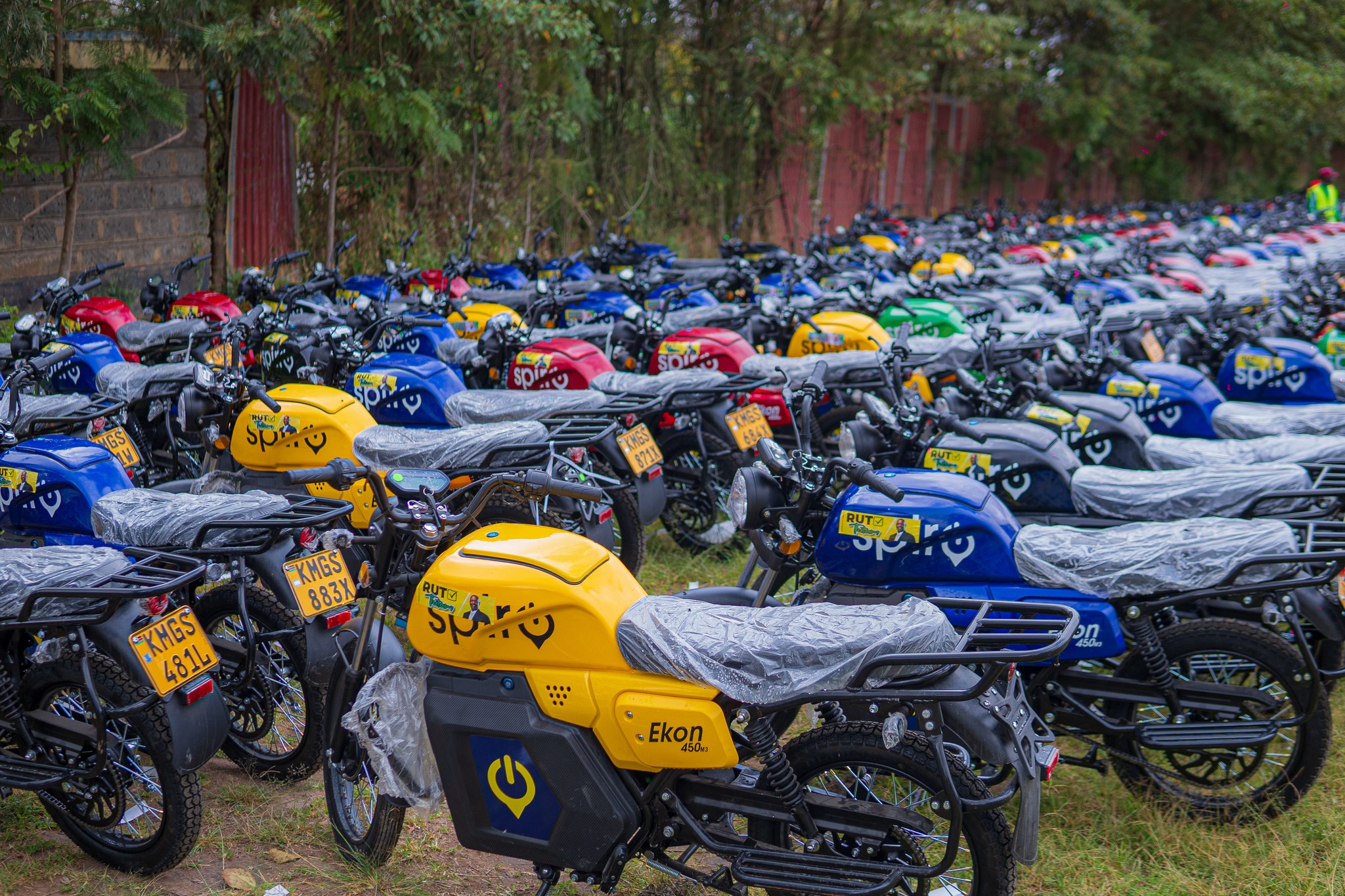
Perhaps the most visible sign of local EV assembly’s success is the rise of the electric boda-boda (motorcycle taxi). Spiro, among others, has scaled its operations quickly by focusing on this essential segment of the Kenyan economy.
Spiro operates a major assembly hub along Mombasa Road in Nairobi, where they assemble their electric two-wheelers, such as the EKON 450M1 model. Crucially, they have pioneered the battery-swapping model. Instead of waiting hours for a charge, a rider can pull into one of Spiro’s over 200 swap stations across the country and exchange a depleted battery for a fully charged one in minutes.
This assembly model provides clear, actionable benefits:
- Job Creation: Spiro has established local production centres, employing Kenyan technicians, many of whom are women, in a field traditionally dominated by men.
- Reduced Downtime: The battery-swapping system is the ultimate “fueling tip” for commercial riders, ensuring maximum uptime and profitability.
The pace of development in two-wheelers is phenomenal. Read more here on the growth and economics of Kenya’s electric boda-boda sector.
Bringing EVs to the Masses: MojaEV’s Ambitious Plans
While Spiro conquers the two-wheeler market, MojaEV is setting its sights on broader urban transport and passenger vehicles. MojaEV Kenya has committed to establishing a state-of-the-art EV assembly plant in Mombasa by 2026.
This facility, initially focusing on SKD assembly before moving to higher local content, will be crucial for introducing more affordable electric cars and public service vehicles (PSVs), such as electric buses and matatus (like the NETA V models). By assembling locally, MojaEV aims to bypass high taxes on fully imported units, directly addressing the key barrier to EV adoption: the high initial cost.
This aggressive shift by new players requires a close look at the market dynamics. For those tracking how these local investments will impact vehicle pricing and the regulatory environment, autoskenya.com provides excellent, timely analysis on policy and industry trends.
Electrifying Commercial Fleets: Isuzu’s Strategic Entry
Isuzu East Africa’s commitment adds undeniable weight to the local EV assembly narrative. As a leader in Kenya’s commercial vehicle segment—the backbone of logistics and commerce—their move is strategic. Isuzu is planning to introduce its first battery-powered truck for customer trials and testing in the Kenyan market by the close of 2025.
Unlike passenger vehicles used for short commutes, commercial trucks present the biggest technical challenge: the balance between payload capacity and battery weight/range. Isuzu is cautiously collecting real-world data under Kenyan operating conditions to ensure durability and reliability.
“The biggest challenge is battery life—especially as these are commercial vehicles. We do not want our customers to have to make round trips to recharge these vehicles,” Isuzu EA management has noted.
This pilot phase is crucial for establishing technical benchmarks for heavy-duty electrification. The performance data gathered will inform national standards and charging infrastructure requirements for commercial EV fleets across East Africa. Stay updated on the latest developments in this commercial sector trial by checking automag.co.ke for the newest automotive news and reviews.
The Practicality of Going Local: Buying and Maintaining Your EV
The shift to local assembly directly benefits Kenyan buyers by diversifying options and eventually lowering prices. As local assembly ramps up, the market for electric vehicles, both new and used, will expand.
Actionable Tips for the Local EV Buyer
- Look for Locally Assembled Deals: Keep an eye on locally assembled models. Tax incentives mean new, locally assembled EVs will become more competitive against imported used ICE vehicles.
- Understand Your Battery Warranty: For locally assembled vehicles, scrutinise the battery warranty and service package, which is typically handled by the local assembler (like MojaEV or Spiro) and offers better local support than most direct imports.
- Compare Import Options: While local assembly is growing, the import market still offers diversity. For drivers looking to explore niche or luxury sustainable mobility, EV24.africa offers import options for various electric cars, expanding choices beyond locally available SKD models.
Even as new electric assembly lines open, the established market for second-hand vehicles remains vibrant. Used electric cars, particularly popular early models like the Nissan Leaf (available in various trims) or even used electric SUVs, are becoming increasingly common. To find second-hand cars, whether they are emerging EVs or reliable conventional models, check out auto24.co.ke. It’s an excellent resource for comparing prices and finding that perfect car—even a slightly used electric one—that fits the budget.
Conclusion
The convergence of MojaEV’s urban car ambitions, Spiro’s successful two-wheeler scale-up, and Isuzu’s strategic entry into heavy commercial transport signals a mature and dynamic phase for Kenya’s e-mobility sector. Local assembly is more than just “Made in Kenya”; it’s about building a robust, job-creating ecosystem that caters specifically to the unique demands of African roads and drivers. This is how Kenya secures its clean, competitive, and sustainable future in transport.