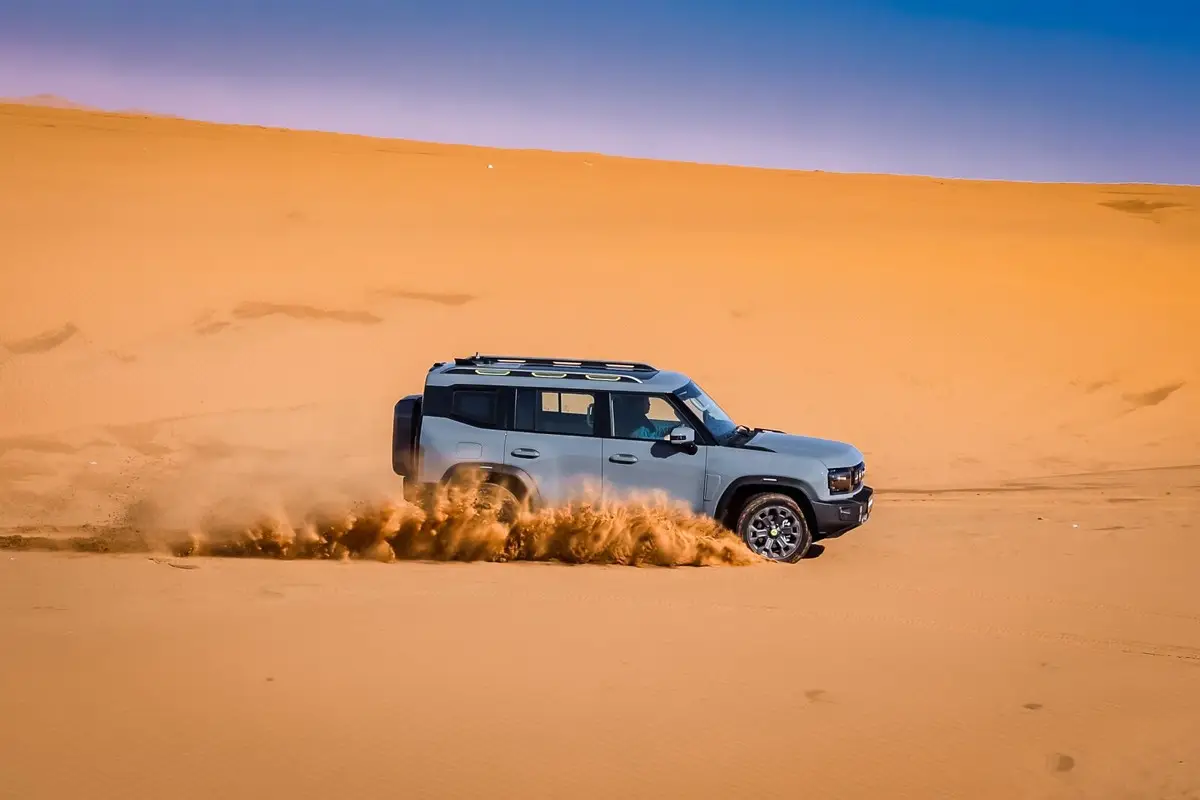
Cars are engineered to handle a lot, but desert and arid conditions push vehicles to their limits. Intense heat, abrasive dust, sudden sandstorms, and scorching road surfaces all combine to accelerate wear and tear. For drivers in northern Kenya, semi-arid regions, and even hot urban centers during dry seasons, car maintenance is not optional. It is survival.
While car insurance helps cover major incidents, it will not stop your engine from overheating, your battery from failing early, or your tires from wearing out faster than expected. That responsibility still lies with you as the driver. This guide breaks down the most important car maintenance checks for desert-like climates, with practical tips tailored to real-world driving conditions in Kenya.
For more local driving advice, maintenance tips, and automotive updates, you can explore Automag Kenya, a leading platform for Kenyan car owners.
Your Cooling System Must Always Be in Top Shape
In cooler climates, skipping a coolant check might not cause immediate problems. In hot and dry environments, that same habit can leave you stranded with steam billowing from under the hood.
What to check regularly
- Coolant level in the reservoir
- Coolant color (it should be clean, not rusty or cloudy)
- Radiator fins for dust buildup
- Hoses for cracks, swelling, or leaks
Engines in hot climates work overtime just to maintain safe operating temperatures. A blocked radiator or weakened hose can fail suddenly.
Car care tip: If you drive daily, check coolant levels weekly. Also rinse the radiator gently to remove dust buildup, especially after long trips on dry roads.
Never Assume Your Battery Is Fine
Heat is one of the biggest enemies of car batteries. In hot regions, a battery that might last four years elsewhere may struggle to reach two years.
Common battery issues in hot climates
- Faster internal chemical breakdown
- Corroded terminals
- Sudden failure without warning
Even if your car starts today, that does not mean the battery is healthy.
Car care tip: Have your battery load-tested during every oil change. If your battery is over two years old and you frequently drive in hot conditions, proactive replacement is often the safest option.
Filters Need Extra Attention in Dusty Areas
Dust is more than just a nuisance. It is abrasive and damaging, especially when it enters your engine or cabin.
Key filters to inspect often
- Engine air filter
- Cabin air filter
- Fuel filter
A clogged air filter reduces engine performance and increases fuel consumption. Cabin filters clogged with dust also affect air quality and air conditioning efficiency.
Car care tip: If your air filter looks dark, gritty, or heavily coated with dust, replace it. Shaking it clean is not enough and may allow fine particles into the engine.
Tires Wear Faster Than You Think
High temperatures soften tire rubber, making tires more vulnerable to uneven wear, pressure loss, and blowouts. These issues often go unnoticed until they become dangerous.
Tire maintenance essentials
- Check tire pressure weekly using a gauge
- Rotate tires every 5,000 to 8,000 kilometers
- Inspect sidewalls for cracks, bulges, or cuts
Car care tip: Choose tires designed for high temperatures and rough road conditions. Cheap tires may save money upfront but cost more in safety and durability.
Fluids Evaporate and Degrade Quickly
Heat affects all vehicle fluids, not just engine oil. In arid conditions, fluids thin out, evaporate faster, and lose effectiveness.
Fluids to monitor closely
- Engine oil
- Brake fluid
- Transmission fluid
- Power steering fluid
- Windshield washer fluid
Car care tip: Check engine oil every two weeks and consider shorter oil change intervals. Use oils rated for high-temperature environments to protect internal engine components.
Paint, Trim, and Rubber Components Fade Faster
The sun in hot regions does more than shine. It degrades paint, fades plastic trim, and dries out rubber seals.
Preventive steps
- Park in shaded or covered areas whenever possible
- Use sunshades to protect the dashboard
- Wash your car regularly to remove abrasive dust
- Apply wax or paint sealant for UV protection
Dust on windshields acts like fine sandpaper. Over time, it can cause permanent haze, reducing night visibility.
Do Not Ignore the Undercarriage
The undercarriage absorbs constant abuse from dust, gravel, heat, and, in some regions, salty coastal air.
What to look for
- Rust or corrosion
- Loose protective panels
- Damage from off-road or unpaved road driving
If you frequently drive on rough or dusty roads, periodic undercarriage inspections are essential.
Your Air Conditioning System Is Critical
In hot climates, a functioning AC system is not a luxury. It is a necessity.
Warning signs of AC trouble
- Weak cooling
- Strange smells
- Unusual noises
Compressors work harder in extreme heat, and seals can dry out faster.
Car care tip: Have the AC system inspected annually and recharge refrigerant as recommended, even if cooling seems adequate.
Driving During and After Sandstorms
Sandstorms can reduce visibility in seconds and allow fine dust to enter every opening of your car.
During a sandstorm
- Slow down gradually
- Turn on headlights using low beam
- Maintain safe distance from other vehicles
After a sandstorm
- Inspect wipers, filters, and door seals
- Wash the car thoroughly
- Clean headlights and windshield
A car wash after a sandstorm is not cosmetic. It is essential maintenance.
Thinking of Changing Your Car?
If frequent maintenance issues make desert driving stressful, it may be time to consider a more suitable vehicle. To find second-hand cars built to handle tough conditions, including reliable SUVs and fuel-efficient sedans popular in Kenya, visit auto24.co.ke. You can browse models such as used Toyota Land Cruisers, Nissan X-Trails, and Toyota Hilux pickups without going off your daily routine.
Final Thoughts
Driving in desert and arid environments demands more than just a tough vehicle. It requires discipline, preparation, and consistent maintenance. When you stay on top of cooling systems, fluids, tires, filters, and electrical components, you dramatically reduce the risk of breakdowns.
Desert driving may be unforgiving, but with the right habits and timely care, it does not have to be a gamble. For more expert advice and practical insights tailored for local conditions, visit Automag Kenya and discover additional resources for smarter car ownership.