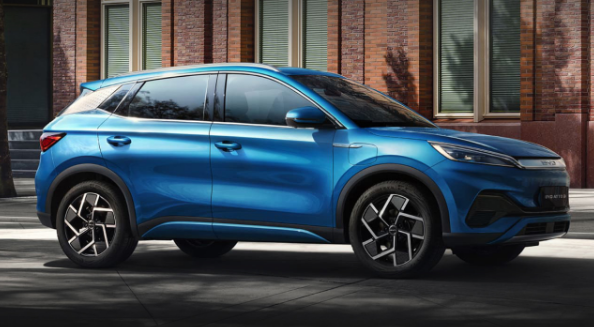
Kenya’s electric vehicle (EV) market has officially moved from a niche concept to a mainstream reality. Propelled by favourable government tax incentives and the desire among Kenyan drivers to escape high fuel costs, the choices available in 2025 are more diverse than ever before. Whether you’re a city commuter on a budget or a luxury enthusiast seeking cutting-edge performance, there’s an electric car ready for you.
This guide breaks down the best EV options available right now, categorized by budget and lifestyle, offering practical insights to help you make the switch to clean, sustainable mobility.
1. The Budget Gateway: Affordable & Proven EVs (Below KES 3 Million)
For first-time EV buyers or those primarily focused on urban commuting, the entry-level segment offers incredibly appealing models, often dominated by used imports. These cars provide massive savings on fuel with minimal compromise on reliability.
The Reliable Starter: Nissan Leaf
The Nissan Leaf is the most popular entry point for Kenyan EV ownership. Available mainly as a used import, its greatest advantage is affordability (with early models starting from around KES 1.2 million).
- Best For: City commuters and ride-hailing services.
- Range: Generally suitable for city driving (older models offer 150-200 km).
- Actionable Tip: When buying a used Leaf, always check the Battery State of Health (SOH). This is crucial as it determines the true remaining range of the vehicle.
The Compact Contenders
Alongside the Leaf, several other budget-friendly options are emerging, particularly from European and Chinese markets:
- Renault Zoe: A European-styled compact city car, often found used at reasonable prices.
- Dongfeng EX1 Nano Box: One of the most affordable new EVs available, perfect for strictly urban commuting.
If you are looking to dip your toes into the EV world by acquiring one of these reliable, low-mileage second-hand electric cars, you can often find them listed alongside conventional models on auto24.co.ke. This is an excellent place to compare the prices of used Nissan Leaf and other compact EVs currently on the local market.
2. Mid-Range Powerhouses: Range, Features, and SUVs (KES 3M – KES 5M)
This is the fastest-growing segment, offering excellent range, higher ground clearance (crucial for Kenyan roads), and modern SUV styling. These vehicles are generally newer and are favoured by families and those needing intercity travel capability.
The Compact Crossover Leader: Hyundai Kona Electric
The Hyundai Kona Electric is a favourite for its balance of size, premium features, and impressive range. It offers the familiar feel of a crossover SUV combined with serious efficiency.
- Range: Up to 450 km on a full charge in ideal conditions, supporting fast charging.
- Price Guide: Generally available from KES 3.5 million to KES 4.2 million.
The New Challengers: BYD and Kia
Chinese giant BYD is making a massive push into the Kenyan market, with local distributorship ensuring better support and availability for its models:
- BYD Atto 3: A stylish compact electric SUV known for its modern interior and high safety standards. It offers excellent value in the mid-range.
- BYD Dolphin: A smart, budget-friendly electric hatchback offering cutting-edge battery technology and a competitive range.
- Kia Niro EV: A close competitor to the Kona, offering a polished design and reliable performance.
For detailed specifications, comparisons, and expert analysis on how these newer mid-range EVs are reshaping the local auto scene, particularly concerning tax implications and new model reviews, check out autoskenya.com.
3. Premium Electrification: Luxury and Performance (KES 5M+)
For enthusiasts and those seeking cutting-edge technology, top-tier performance, and luxury comfort, the premium segment has never been richer.
The Tech Icons: Tesla Model 3 and Model Y
Tesla remains the global benchmark for EV technology. The Model 3 (Sedan) and Model Y (Crossover SUV) are popular imports in Kenya for their instant acceleration, advanced safety features, and minimalistic, software-driven interiors.
- Appeal: Making a statement, high performance, and long highway range.
- Price Guide: Tesla models start from approximately KES 5.1 million for used imports and go up significantly for brand new, high-spec versions.
The Executive SUVs: BMW, Hyundai, and Audi
Traditional luxury brands are also strongly represented:
- BMW iX: Represents the pinnacle of electric luxury in Kenya, offering a massive range and a superb interior experience.
- Hyundai Ioniq 5: Known for its striking retro-futuristic design and ultra-fast charging capability.
Since these premium and high-performance EVs are often imported directly and configured to specific customer requirements, the local stock can be limited. For drivers looking to explore sustainable mobility by importing specific high-end models like the Porsche Taycan, Tesla Model Y, or the BMW iX, EV24.africa offers verified import options, expanding choices in the rapidly evolving luxury EV segment.
4. Practical EV Ownership in Kenya: Tips for Battery Longevity
Switching to an EV comes with unique maintenance practices focused on the battery, which is the heart of the car. These simple, actionable tips can significantly extend the life and range of your investment.
Actionable EV Care Tips:
- Avoid 100% Daily Charge: For daily commuting, aim to keep your battery charge between 20% and 80%. Only charge to 100% when preparing for a long journey. This practice reduces battery stress and heat, prolonging its overall life.
- Master Regenerative Braking: Use the regenerative braking feature effectively. It helps slow the car and feeds kinetic energy back into the battery. This not only increases your range but also saves wear and tear on your traditional brake pads—a major cost saving.
- Home Charging Stability: Ensure your home charging setup is safe and uses a stable power supply. For consistent performance, always use the charging equipment provided or recommended by the manufacturer.
- Monitor Your Tariff: EVs have drastically lower running costs (over 75% less than petrol), especially if you use the e-mobility tariff. Monitor your home electricity consumption to ensure you are benefiting from these savings.
Understanding the difference between Level 1 (home socket), Level 2 (wall-box), and DC Fast Charging (public stations) is key to maximizing your EV’s utility. For comprehensive general car maintenance and safe driving tips that apply to all vehicles, electric and conventional, automag.co.ke provides excellent resources tailored for Kenyan driving conditions.
Conclusion
The year 2025 solidifies the electric car’s place in Kenya’s automotive landscape. With diverse options available from under KES 2 million to over KES 15 million, there truly is an EV for every budget, lifestyle, and road condition. The decision is no longer if you should switch to electric, but which electric vehicle best suits your needs.