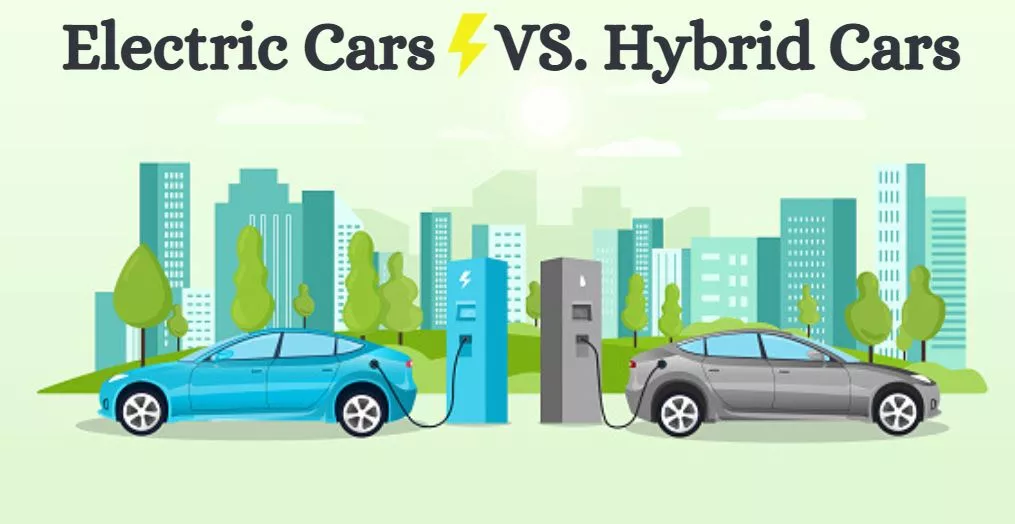
The Kenyan automotive landscape has reached a fascinating crossroads. In 2026, the question is no longer if you should go green, but how. As fuel prices remain volatile and the government pushes for a cleaner transport sector, the “Great Debate” has moved from the boardroom to the showroom: Hybrid or Electric?
For the average Nairobi commuter, choosing between a self-charging hybrid and a fully electric vehicle (EV) involves balancing daily costs, weekend road trips, and long-term reliability. Let’s break down which technology takes the crown for your specific driving needs this year.
The Case for Hybrids: The Practical Transition
Hybrids have become the “safe bet” for many Kenyans in 2026. Models like the Toyota Prius, Honda Fit Hybrid, and the Nissan Note e-Power dominate our roads for one simple reason: they don’t require a change in lifestyle.
- Range Freedom: You can drive from Nairobi to Mandera without ever looking for a charging plug. The petrol engine acts as your safety net.
- Fuel Efficiency: In Nairobi’s notorious stop-and-go traffic, hybrids excel. By switching to electric mode at low speeds and using regenerative braking, a 2019 Toyota Aqua can achieve upwards of 25–30 km/l.
- Familiarity: Most local mechanics are now well-versed in maintaining hybrid systems, and spare parts are readily available.
To find second-hand cars suitable for these conditions, check out auto24.co.ke. On AUTO24, you can find popular hybrids like the Toyota Fielder Hybrid or the Lexus NX300h, which offer the perfect blend of luxury and fuel savings without the need for a home charging setup.
The Case for Electric Vehicles: The Bold Future
While hybrids are practical, EVs are undeniably more economical in the long run. With the 2026 e-mobility electricity tariff set at a discounted rate during off-peak hours, the cost of “refueling” an EV is roughly 75% cheaper than a petrol car.
- Zero Tailpipe Emissions: For the eco-conscious driver, EVs are the only way to achieve a truly green footprint.
- Lower Maintenance: EVs have no oil to change, no spark plugs to replace, and no complex exhaust systems. This translates to fewer visits to the garage.
- Performance: The instant torque of an EV makes merging into traffic on the Thika Superhighway an effortless experience.
For drivers looking to explore sustainable mobility, EV24.africa offers import options for electric cars, expanding choices in high-performance models like the Hyundai Kona EV or the BYD Atto 3, which are now supported by a growing network of fast-chargers across major towns.
Cost Comparison: Hybrid vs. Electric (2026 Estimates)
| Feature | Hybrid Vehicle | Electric Vehicle (EV) |
| Fuel/Energy Cost | ~Sh8 – Sh12 per km | ~Sh3 – Sh5 per km |
| Import Duty | 25% (Lower than petrol) | 10% (Highly incentivized) |
| Maintenance | Low (Oil changes still needed) | Very Low (No engine service) |
| Resale Value | High & Stable | Growing |
Export to Sheets
For the latest in-depth car reviews and a breakdown of how these costs affect your monthly budget, autoskenya.com provides updated automotive news and travel guides tailored for Kenyan drivers.
Maintenance Tips for Green Car Owners
Regardless of which technology you choose, “green” cars require specific care to protect their most expensive component: the battery.
- Hybrid Battery Air Filters: Most hybrids (like the Prius) have a small air vent for the battery, usually located near the rear seats. Ensure this is kept dust-free to prevent the battery from overheating.
- Tire Choice: Both hybrids and EVs are heavier than standard cars. Use “Low Rolling Resistance” tires to maximize your range and fuel economy.
- Brake Health: Because these cars use regenerative braking, your physical brake pads might last 100,000km or more. However, you should still have the calipers lubricated annually to prevent them from seizing due to lack of use.
- Software Updates: Ensure your vehicle’s firmware is updated during major services. This can often improve the efficiency of the power-split between the engine and the motor.
Read more here: How to maximize your EV range in Nairobi traffic.
The Verdict: Who Wins?
- The Hybrid Wins if: You frequently travel long distances, live in an apartment without private parking/charging, or want a car that is easy to resell in rural areas.
- The Electric Wins if: You have a predictable daily commute within the city, have access to home charging, and want to eliminate your fuel bill entirely.
The “winner” depends on your lifestyle. As highlighted on automag.co.ke, the 2026 market is no longer about compromise—it’s about choice. Whether you opt for the versatility of a hybrid or the efficiency of an EV, you are investing in a cleaner, cheaper future for Kenyan roads.